Tour Highlights:
Karakorum, ancient capital of the Mongol Empire
Erdene Zuu Monastery, the first Buddhist monastery in Mongolia
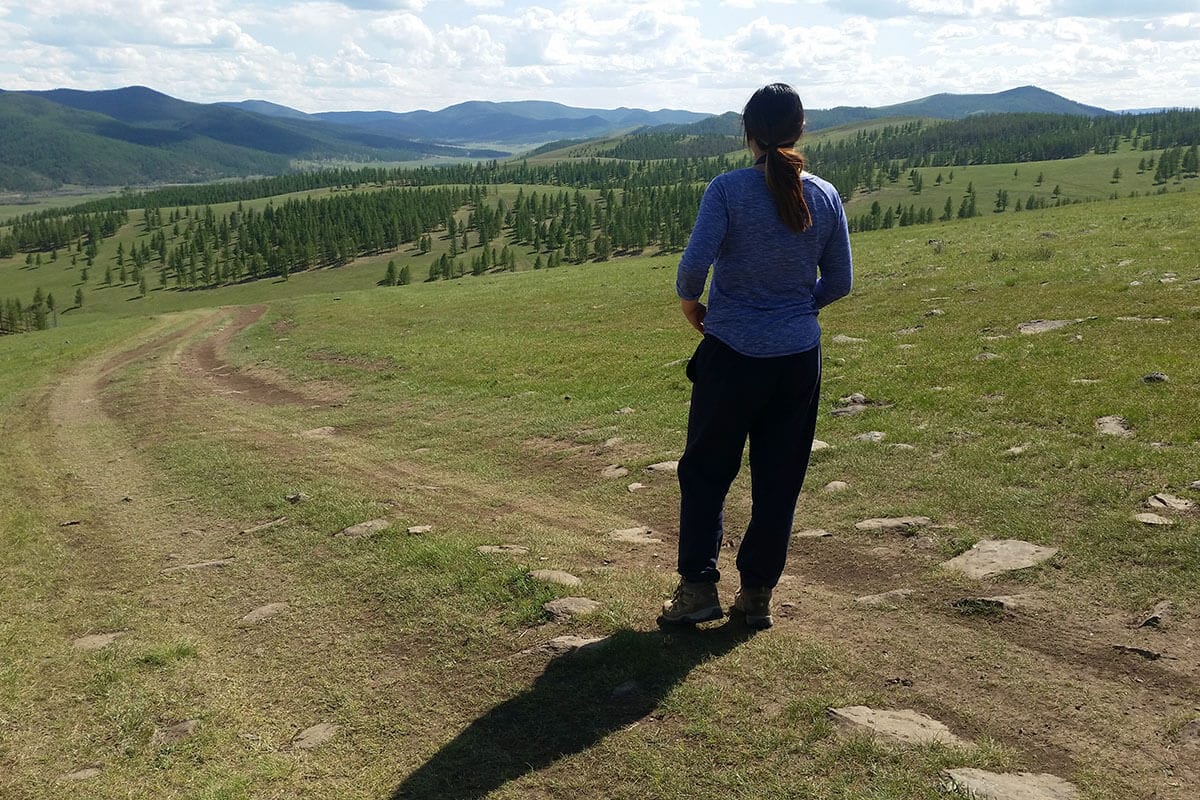
Vast steppe landscapes and open grasslands
Elsen Tasarkhai Sand Dunes (“Little Gobi”)
Khogno Khan Mountain and Ovgon Monastery
- Orkhon Valley, UNESCO World Heritage Site
Lake Khovsgol (“Blue Pearl of Mongolia”)
Taiga forests and alpine meadows
Tsaatan reindeer herders
Wilderness for trekking, riding, kayaking
Rich wildlife and birdlife
Khogno Khan Mountains and Elsen Tasarkhai
Karakorum
Orkhon valley and waterfall
Tovkhon monastery & Tsenkher Hot Spring
Khorgo - Terkhiin Tsagaan Nuur National Park
Khorgo - Terkhiin Tsagaan Nuur National Park
Grassland
Khovsgol Lake
Khovsgol Lake
Bulgan & Uran Togoo Mountain
Amarbaysgalant Monastery
Ulaanbaatar
Day To Day Itinerary

Today, we are heading to Khogno Khan National Park. We will embark on a trek through the Khogno Khan Mountains, culminating in a hike to enjoy breathtaking views of the hills, sand dunes, and grasslands. Additionally, we’ll explore the beautiful Ovgon Monastery. The Elsen Tasarkhai Sand Dune, affectionately referred to as Little Gobi, stretches for 100 kilometers.
Activities:
- Explore Elsen Tasarkhai sand dunes
- Discover Khogno Khan mountain
- Visit Ovgon monastery
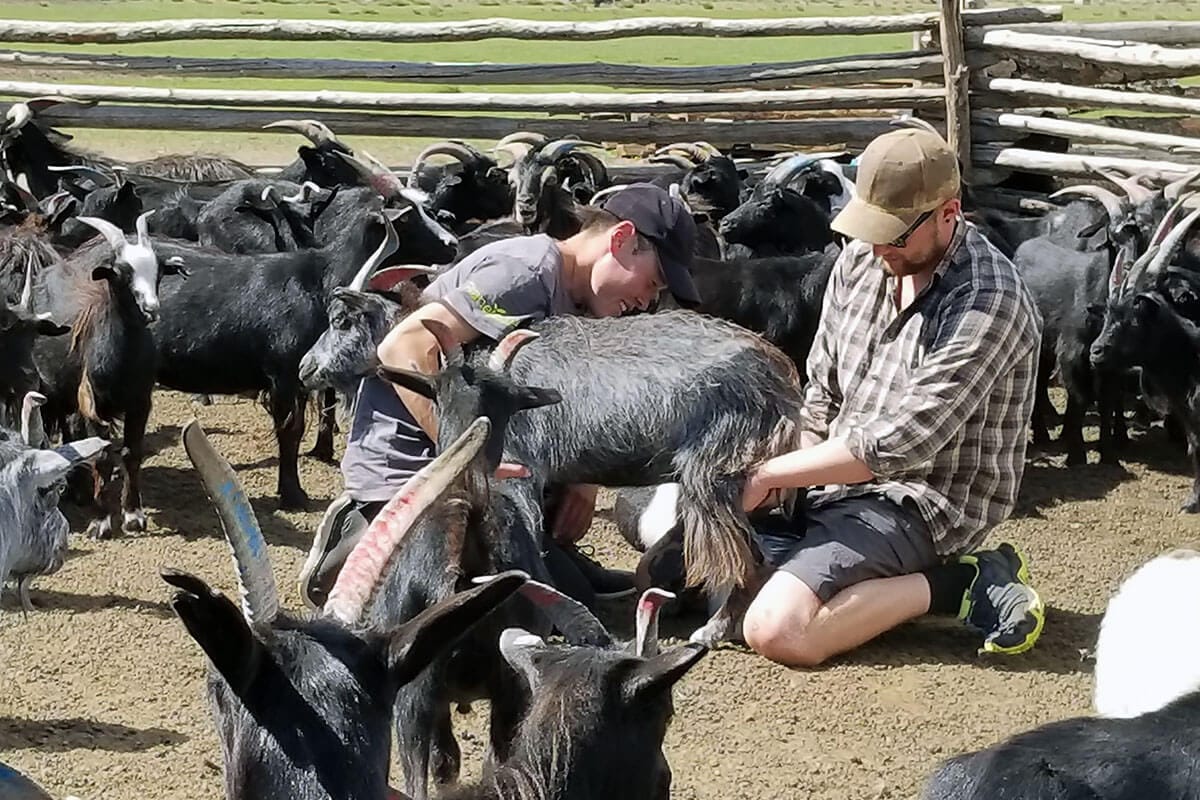
- Meet a camel breeding family
- Opportunity for camel riding
Khogno Khan Mountains and Elsen Tasarkhai
Today, we are heading to Khogno Khan National Park. We will embark on a trek through the Khogno Khan Mountains, culminating in a hike to enjoy breathtaking views of the hills, sand dunes, and grasslands. Additionally, we’ll explore the beautiful Ovgon Monastery. The Elsen Tasarkhai Sand Dune, affectionately referred to as Little Gobi, stretches for 100 kilometers.
Activities:
- Explore Elsen Tasarkhai sand dunes
- Discover Khogno Khan mountain
- Visit Ovgon monastery
- Meet a camel breeding family
- Opportunity for camel riding
Today, we explore Karakorum, the capital of Genghis Khan's Mongolian Empire in the 13th century. Established in 1220 on the ruins of Turug and Uigur cities in the Orkhon Valley, it was completed 15 years later under Ugedei Khan, known for its multiculturalism. The silver tree from Möngke Khan’s palace became a symbol of the city, which thrived from 1220 to 1260 as a political, trade, and cultural hub.
However, from 1260 to 1380, it lost its capital status when Kublai Khan moved the capital to Beijing, reducing Karakorum to an administrative center in the Yuan Dynasty.
After the Mongolian Yuan Dynasty collapsed in 1368, the government returned to Mongolia, allowing Karakorum to regain some significance. However, in 1388, Ming troops destroyed the town, leaving no trace of it. In 1580, Abtai Sain Khan and Lord Tumenkhen sought the 3rd Dalai Lama's counsel on building a temple, leading to the restoration of the Main Zuu temple in Erdene Zuu monastery in 1588.
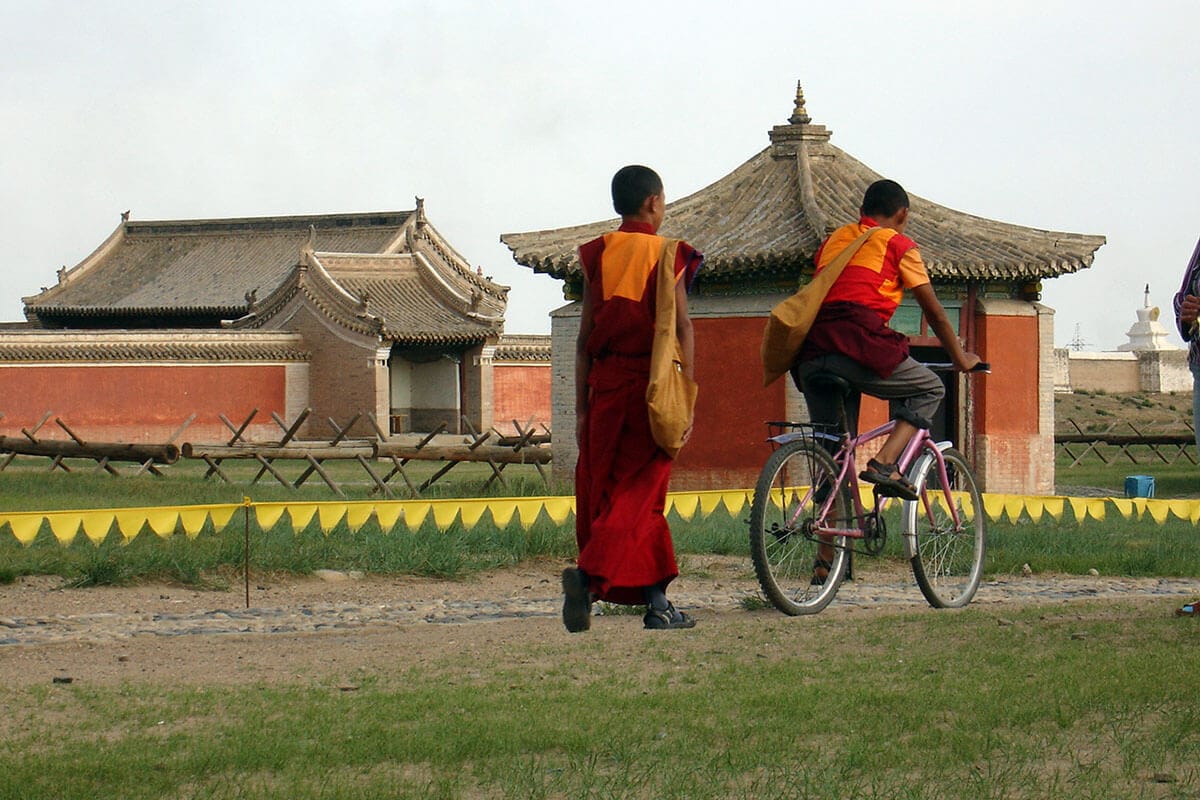
Erdene Zuu Monastery, once a large complex with 100 temples and over 1,000 lamas, now comprises three remaining temples: Dalai Lama, Zuu of Buddha, and Lavrin Temple, all within 400 m X 400 m walls. Visitors can explore the monastery grounds.
The Karakorum Archaeological Museum, though small, features a well-designed space with good lighting and clear English labels. It showcases hundreds of artifacts from the 13th and 14th centuries, as well as prehistoric tools, pottery, bronzes, coins, religious sculptures, and stone inscriptions from various archaeological sites.
A half-excavated kiln is set into the museum floor, alongside a scale model of ancient Karakorum from the 1250s, inspired by William of Rubruck's descriptions. Another chamber features a Turkic noble tomb with wall paintings, gold objects, and jewels, accompanied by a short video of the burial site.
You can also visit the Turtle Rock and the Phallic Rock, as well as a small market that showcases local artists’ work.
Activities:
- Explore the Erdene Zuu monastery
- Discover the Karakorum Archaeological Museum
Karakorum
Today, we explore Karakorum, the capital of Genghis Khan's Mongolian Empire in the 13th century. Established in 1220 on the ruins of Turug and Uigur cities in the Orkhon Valley, it was completed 15 years later under Ugedei Khan, known for its multiculturalism. The silver tree from Möngke Khan’s palace became a symbol of the city, which thrived from 1220 to 1260 as a political, trade, and cultural hub.
However, from 1260 to 1380, it lost its capital status when Kublai Khan moved the capital to Beijing, reducing Karakorum to an administrative center in the Yuan Dynasty.
After the Mongolian Yuan Dynasty collapsed in 1368, the government returned to Mongolia, allowing Karakorum to regain some significance. However, in 1388, Ming troops destroyed the town, leaving no trace of it. In 1580, Abtai Sain Khan and Lord Tumenkhen sought the 3rd Dalai Lama's counsel on building a temple, leading to the restoration of the Main Zuu temple in Erdene Zuu monastery in 1588.
Erdene Zuu Monastery, once a large complex with 100 temples and over 1,000 lamas, now comprises three remaining temples: Dalai Lama, Zuu of Buddha, and Lavrin Temple, all within 400 m X 400 m walls. Visitors can explore the monastery grounds.
The Karakorum Archaeological Museum, though small, features a well-designed space with good lighting and clear English labels. It showcases hundreds of artifacts from the 13th and 14th centuries, as well as prehistoric tools, pottery, bronzes, coins, religious sculptures, and stone inscriptions from various archaeological sites.
A half-excavated kiln is set into the museum floor, alongside a scale model of ancient Karakorum from the 1250s, inspired by William of Rubruck's descriptions. Another chamber features a Turkic noble tomb with wall paintings, gold objects, and jewels, accompanied by a short video of the burial site.
You can also visit the Turtle Rock and the Phallic Rock, as well as a small market that showcases local artists’ work.
Activities:
- Explore the Erdene Zuu monastery
- Discover the Karakorum Archaeological Museum
Today, we will head west into the Orkhon Valley, where the Orkhon River meanders. This valley has been recognized by UNESCO as a world cultural heritage site due to its ancient artifacts that date back to the early 6th century and even earlier. In addition, the great Mongol Empire established its capital, Karakorum, here during the 12th and 13th centuries. The nomadic lifestyle of the pastures has continued, maintaining both historic and nomadic views on life. During the Quaternary period, a volcanic eruption occurred near the mouth of the Tsagaan Azarga, or the White Stallion River, causing lava to flow down the Orkhon Valley and creating a thick layer of basaltic rocks, approximately 10 meters deep. The Orkhon River has cut through this basalt layer twice, leading to the formation of the canyon.
Activities:
- Explore the Orkhon Valley
- Discover the stunning Orkhon Waterfall
- Engage with a nomadic family that breeds horses and yaks
- Enjoy the opportunity for horseback riding. Optional
Orkhon valley and waterfall
Today, we will head west into the Orkhon Valley, where the Orkhon River meanders. This valley has been recognized by UNESCO as a world cultural heritage site due to its ancient artifacts that date back to the early 6th century and even earlier. In addition, the great Mongol Empire established its capital, Karakorum, here during the 12th and 13th centuries. The nomadic lifestyle of the pastures has continued, maintaining both historic and nomadic views on life. During the Quaternary period, a volcanic eruption occurred near the mouth of the Tsagaan Azarga, or the White Stallion River, causing lava to flow down the Orkhon Valley and creating a thick layer of basaltic rocks, approximately 10 meters deep. The Orkhon River has cut through this basalt layer twice, leading to the formation of the canyon.
Activities:
- Explore the Orkhon Valley
- Discover the stunning Orkhon Waterfall
- Engage with a nomadic family that breeds horses and yaks
- Enjoy the opportunity for horseback riding. Optional
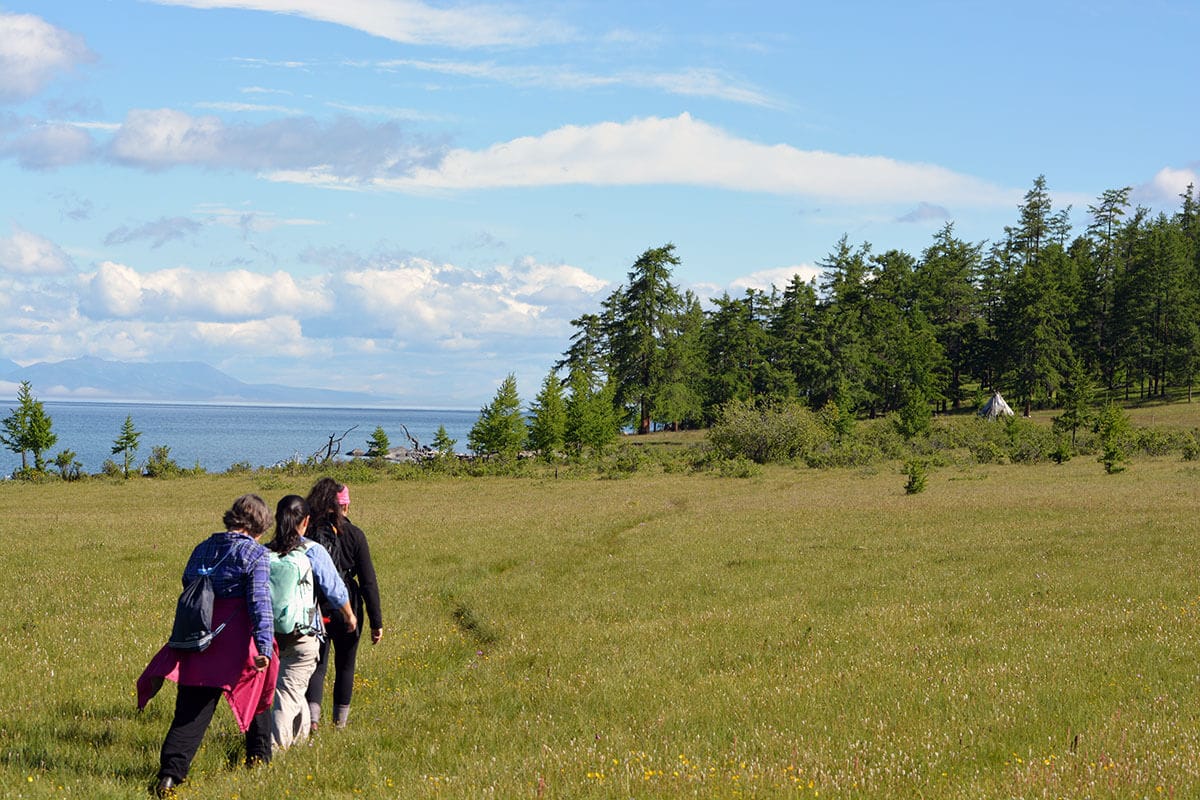
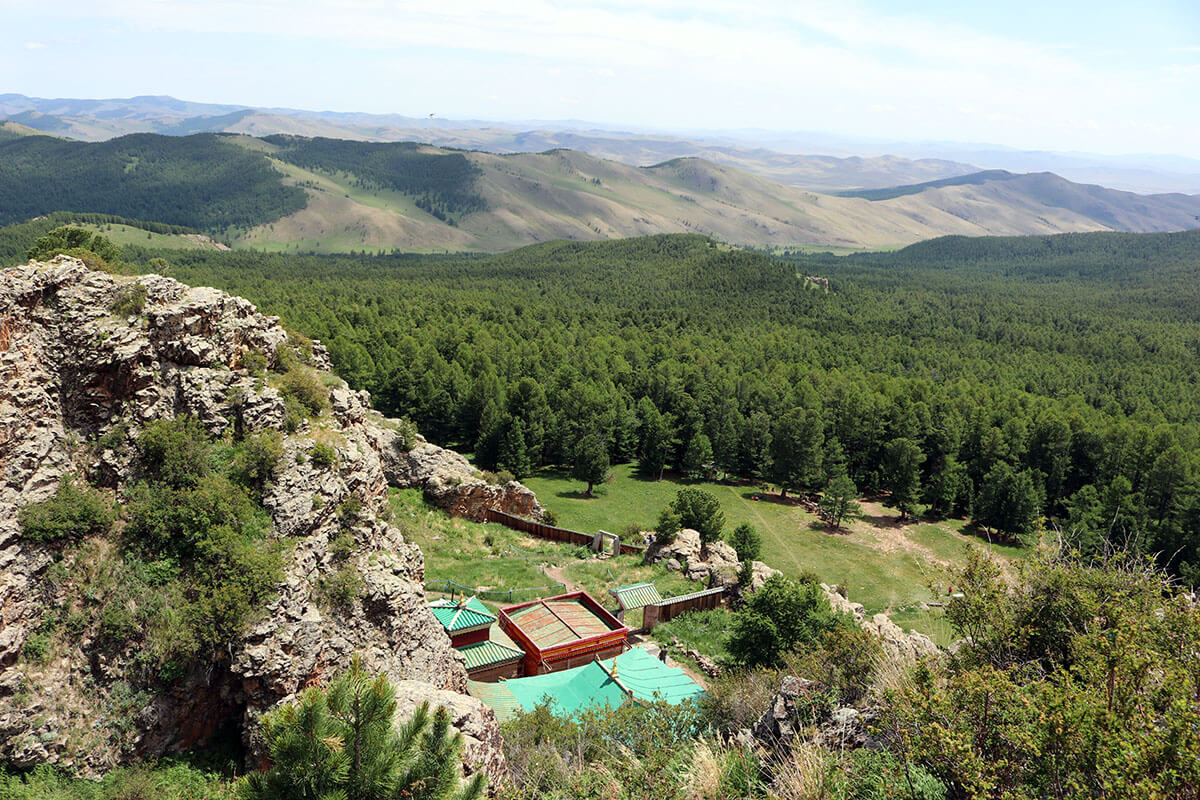
Tovkhon Monastery was founded in the 1650s by Zanabazar, one of Mongolia's most revered spiritual leaders. The monastery's wooden structures are harmoniously integrated with a natural network of caves located near a hilltop, offering stunning views of the Orkhon Valley and the surrounding pine forests. At the cliff's summit lies a stone pile known as Ovoo, which is used to honor the mountain god.
After our visit to the monastery, we will journey westward towards The Khangai Mountains. Rising between 2,500 and 3,000 meters above sea level, these mountains are predominantly composed of Paleozoic granite, intrusive chert, and sandstone. The Khangai Mountains extend approximately 800 kilometers from Zavkhan province to Tuv province and serve as the continental divide for the world’s water system. In the evening, we will arrive at the Tsenkher Hot Spring resort, which features a spacious open-air pool for guests. This pool continuously receives hot water from the spring, with temperatures exceeding 80 °C. A sophisticated pipeline system maintains the ideal water temperature. Guests can enjoy hours of relaxation in the pool, chatting with friends while gazing at the stars or observing the surrounding night landscape.
Activities:
- Hike 7 km to Tovkhon Monastery, which takes approximately 3 to 4 hours.
- Unwind at the hot spring spa (don’t forget to bring your swimsuits).
Tovkhon monastery & Tsenkher Hot Spring
Tovkhon Monastery was founded in the 1650s by Zanabazar, one of Mongolia's most revered spiritual leaders. The monastery's wooden structures are harmoniously integrated with a natural network of caves located near a hilltop, offering stunning views of the Orkhon Valley and the surrounding pine forests. At the cliff's summit lies a stone pile known as Ovoo, which is used to honor the mountain god.
After our visit to the monastery, we will journey westward towards The Khangai Mountains. Rising between 2,500 and 3,000 meters above sea level, these mountains are predominantly composed of Paleozoic granite, intrusive chert, and sandstone. The Khangai Mountains extend approximately 800 kilometers from Zavkhan province to Tuv province and serve as the continental divide for the world’s water system. In the evening, we will arrive at the Tsenkher Hot Spring resort, which features a spacious open-air pool for guests. This pool continuously receives hot water from the spring, with temperatures exceeding 80 °C. A sophisticated pipeline system maintains the ideal water temperature. Guests can enjoy hours of relaxation in the pool, chatting with friends while gazing at the stars or observing the surrounding night landscape.
Activities:
- Hike 7 km to Tovkhon Monastery, which takes approximately 3 to 4 hours.
- Unwind at the hot spring spa (don’t forget to bring your swimsuits).
We will arrive in Tsetserleg town in the morning, where we will explore a local museum dedicated to Mongolian traditions and Buddhism from the early 1800s.
This museum was originally a prominent Buddhist temple, which was dismantled by the Mongolian government during the Soviet era. After our visit to the town's monastery-museum, we will continue our journey to Terkhiin Tsagaan Lake.
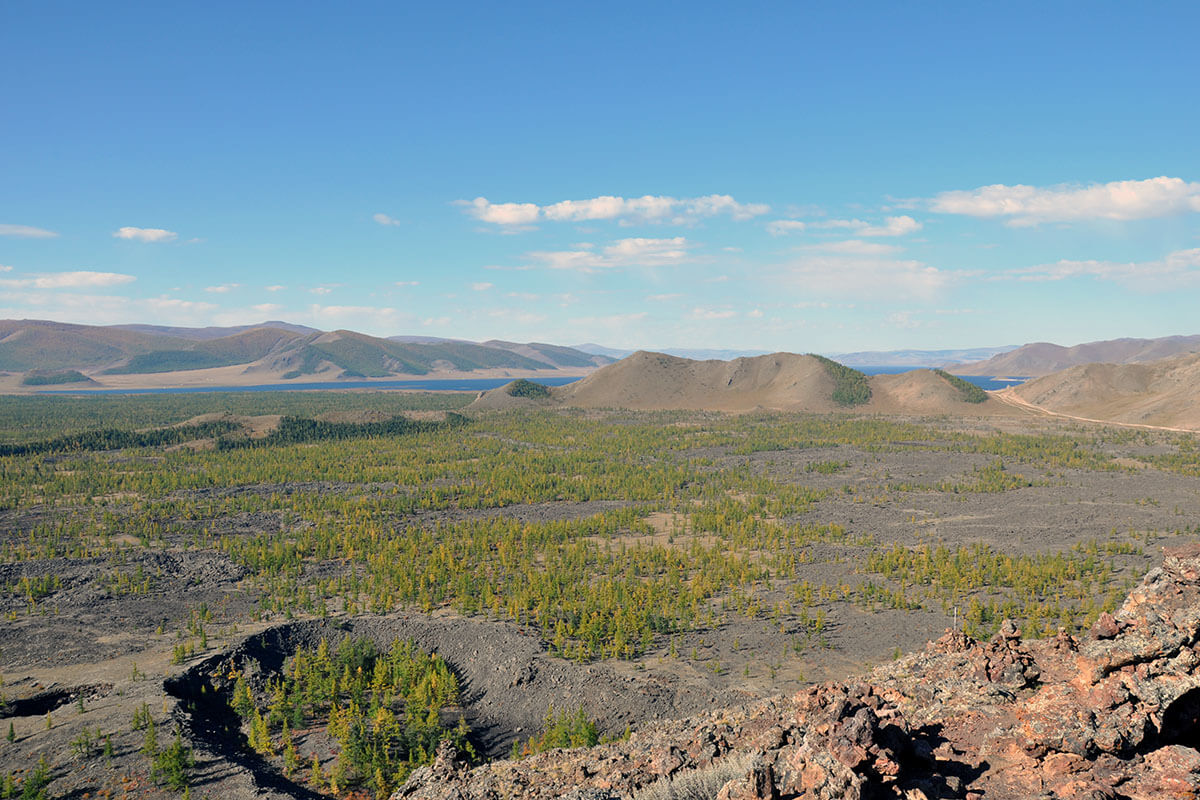
This stunning lake is one of the most beautiful in the country, formed by lava flows from an ancient volcanic eruption and encircled by extinct crater volcanoes. The surrounding landscape is adorned with black volcanic rocks, remnants of past eruptions. The lake stretches approximately 15 kilometers in length and has a maximum depth of 20 meters. The area around the lake features hills with steppe and woodland steppe vegetation, creating a picturesque setting.
Activities:
- Explore Tsetserleg Town
- Discover the Zayiin Gegee Museum
- Experience Terkhiin Tsagaan Nuur Lake
Khorgo - Terkhiin Tsagaan Nuur National Park
We will arrive in Tsetserleg town in the morning, where we will explore a local museum dedicated to Mongolian traditions and Buddhism from the early 1800s.
This museum was originally a prominent Buddhist temple, which was dismantled by the Mongolian government during the Soviet era. After our visit to the town's monastery-museum, we will continue our journey to Terkhiin Tsagaan Lake.
This stunning lake is one of the most beautiful in the country, formed by lava flows from an ancient volcanic eruption and encircled by extinct crater volcanoes. The surrounding landscape is adorned with black volcanic rocks, remnants of past eruptions. The lake stretches approximately 15 kilometers in length and has a maximum depth of 20 meters. The area around the lake features hills with steppe and woodland steppe vegetation, creating a picturesque setting.
Activities:
- Explore Tsetserleg Town
- Discover the Zayiin Gegee Museum
- Experience Terkhiin Tsagaan Nuur Lake
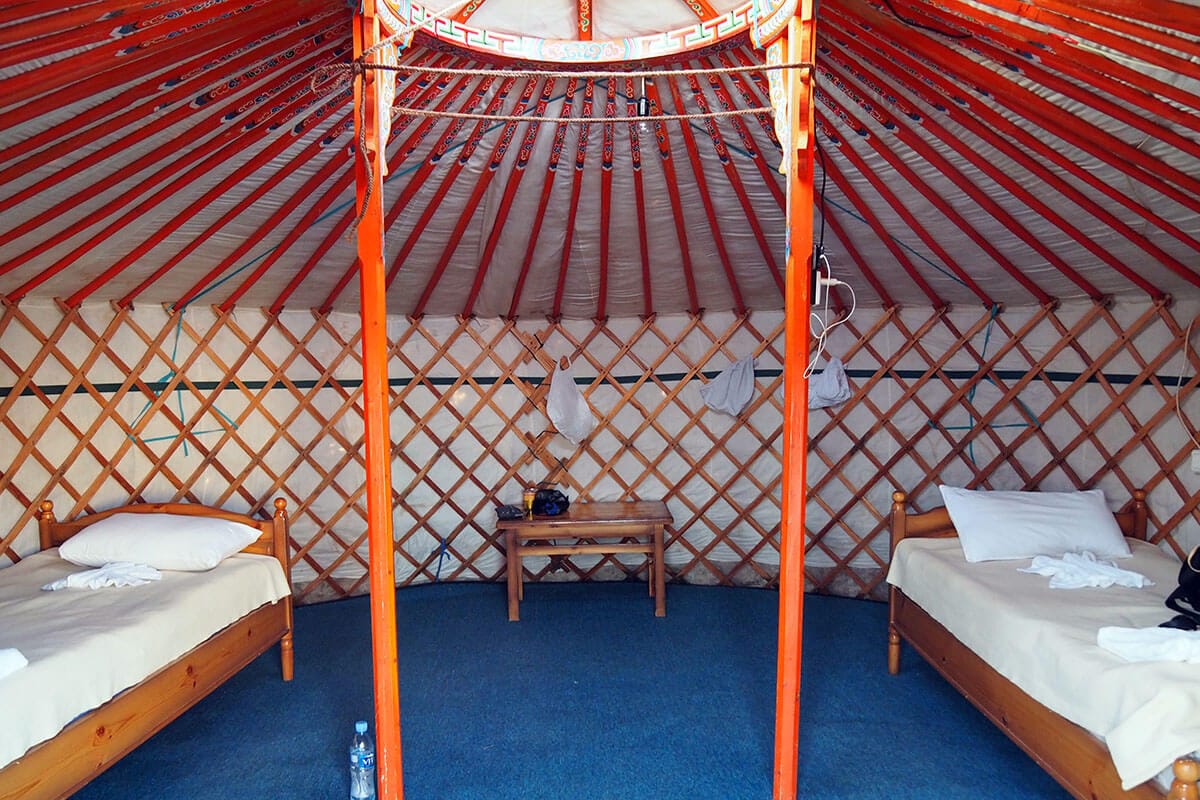
The Terkhiin Tsagaan Lake is an ideal spot to relax today. In the morning, we will embark on an excursion to the summit of the Khorgo Uul Volcano. Khorgo Peak, part of a volcanic field, is located approximately 4 kilometers from the lake. The crater of the volcano measures 200 meters in width and 100 meters in depth, beautifully encircled by trees at the back and around its opening. To the south of Khorgo Mountain, you'll find various basaltic “Gers” that formed during the lava's cooling process; some of these structures feature gates and upper openings, standing over 1.7 meters tall.
Additionally, we will explore the Single Man Cave, which may appear small from the outside but is surprisingly spacious inside. Afternoons are perfect for planning optional activities such as valley trekking, boating on the lake, swimming, horseback riding, or visiting a nearby family to immerse yourself in nomadic culture.
Khorgo - Terkhiin Tsagaan Nuur National Park
The Terkhiin Tsagaan Lake is an ideal spot to relax today. In the morning, we will embark on an excursion to the summit of the Khorgo Uul Volcano. Khorgo Peak, part of a volcanic field, is located approximately 4 kilometers from the lake. The crater of the volcano measures 200 meters in width and 100 meters in depth, beautifully encircled by trees at the back and around its opening. To the south of Khorgo Mountain, you'll find various basaltic “Gers” that formed during the lava's cooling process; some of these structures feature gates and upper openings, standing over 1.7 meters tall.
Additionally, we will explore the Single Man Cave, which may appear small from the outside but is surprisingly spacious inside. Afternoons are perfect for planning optional activities such as valley trekking, boating on the lake, swimming, horseback riding, or visiting a nearby family to immerse yourself in nomadic culture.
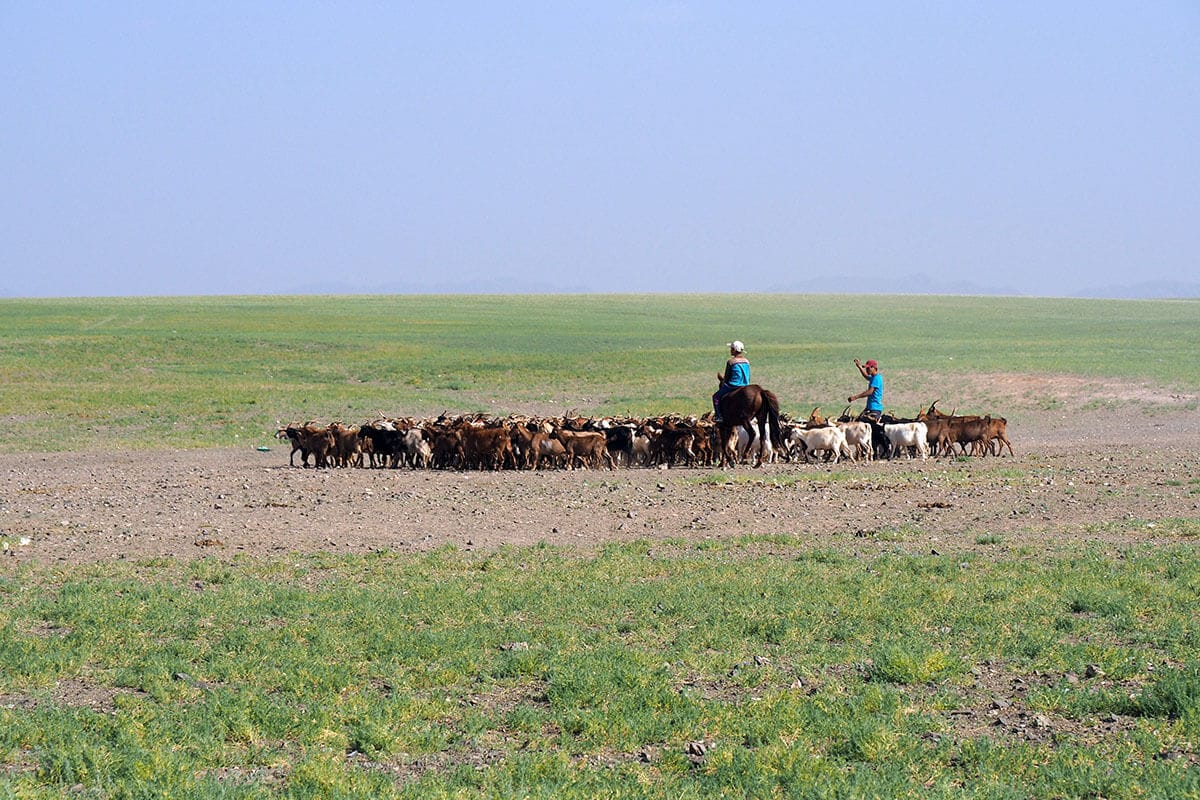
We will embark on a two-day journey heading north to Khovsgol Lake. Our route will take us through expansive central grasslands, where you'll encounter large herds of horses, cows, and yaks. Along the way, you'll cross numerous rivers, both small and large, all teeming with fish.
Activities:
- Explore the grassland
- Hiking is an option
Grassland
We will embark on a two-day journey heading north to Khovsgol Lake. Our route will take us through expansive central grasslands, where you'll encounter large herds of horses, cows, and yaks. Along the way, you'll cross numerous rivers, both small and large, all teeming with fish.
Activities:
- Explore the grassland
- Hiking is an option
Our initial destination will be the Uushig Deer Stone complex, which features a collection of deer stones that date back to prehistoric times. This site showcases the artwork of ancient peoples, including deer stones and burial mounds. After exploring the complex, we will continue our journey north to Khovsgol Lake.
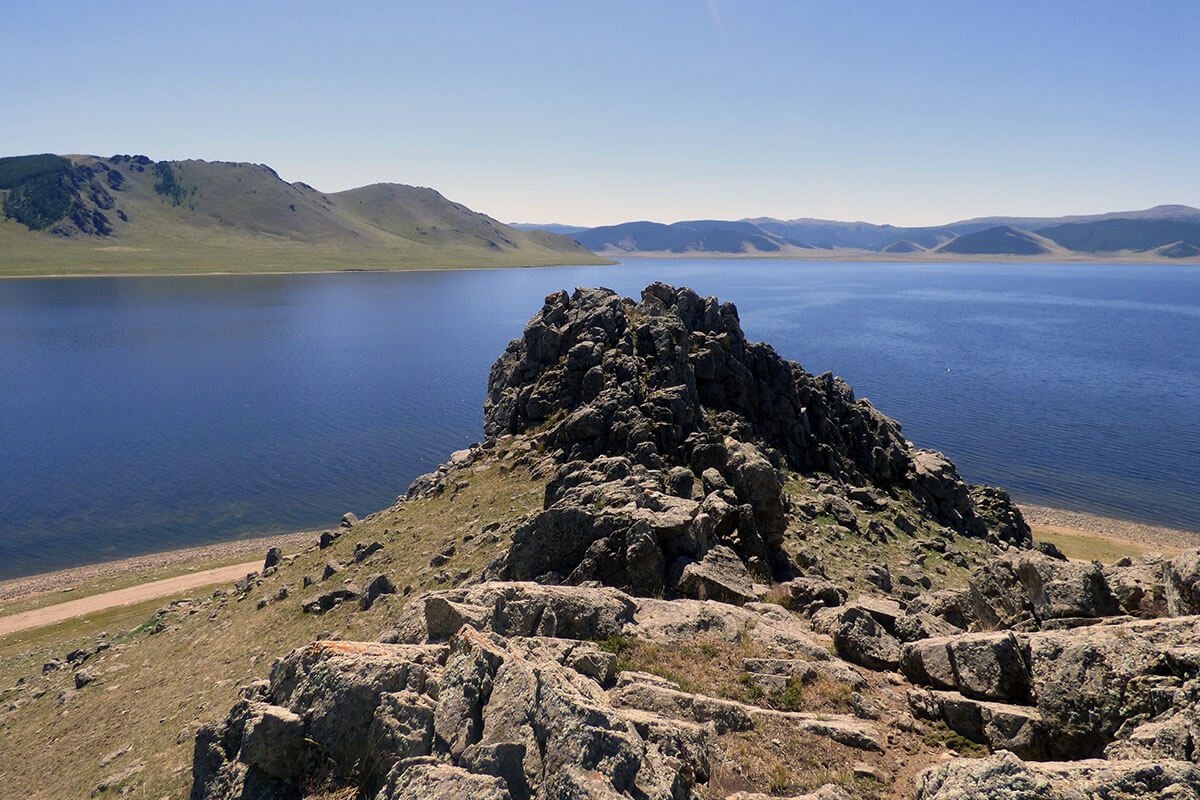
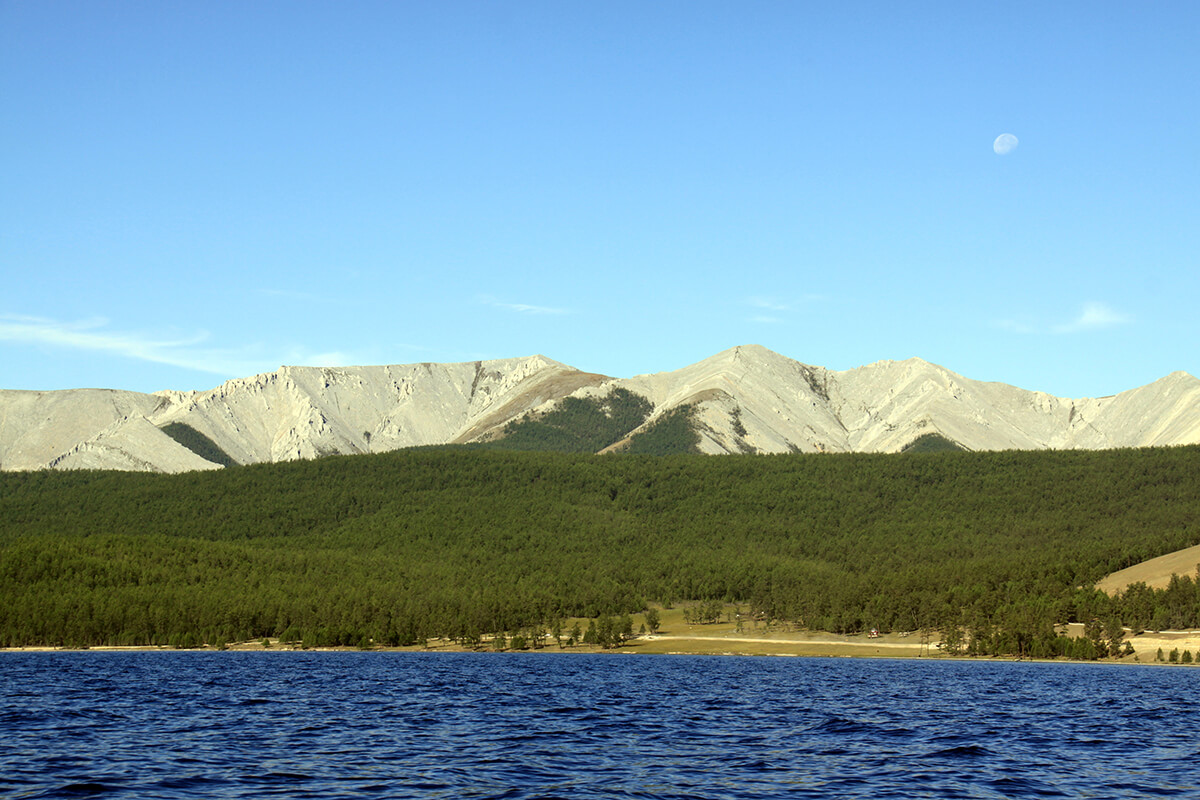
Khovsgol Lake, often referred to as Mongolia's blue pearl, spans an impressive 2,760 square kilometers (130 kilometers long and 40 kilometers wide). It is surrounded by mountain ranges that rise over 2,000 meters, along with dense pine forests and lush meadows where yaks and horses graze. The lake is fed by crystal-clear waters from more than 100 small rivers and streams. Only one river, the Egiin, drains the lake, and its waters eventually flow into Baikal Lake.The first stop will be at the Uushig Deer Stone complex. A complex of deer stones dating back to prehistoric time. Evidence of Prehistoric people’s artwork known as deer stones and burial mounds. After visiting the complex, we will further drive north to the Khovsgol lake.
The Khovsgol Lake, Mongolia's blue pearl, is a massive 2.760 square km alpine lake (130 km long and 40 km wide), surrounded by more than 2.000-meter-high mountain chains, dense pine forests, and green meadows with grazing yaks and horses. The lake receives crystal clear water from over 100 small rivers and streams. Just one river, the Egiin, drains the lake, and its waters gradually meet Baikal Lake.
Activities:
- Explore the Uushig deer stone complex from the Stone Age
- Discover the beauty of Khovgol lake
Khovsgol Lake
Our initial destination will be the Uushig Deer Stone complex, which features a collection of deer stones that date back to prehistoric times. This site showcases the artwork of ancient peoples, including deer stones and burial mounds. After exploring the complex, we will continue our journey north to Khovsgol Lake.
Khovsgol Lake, often referred to as Mongolia's blue pearl, spans an impressive 2,760 square kilometers (130 kilometers long and 40 kilometers wide). It is surrounded by mountain ranges that rise over 2,000 meters, along with dense pine forests and lush meadows where yaks and horses graze. The lake is fed by crystal-clear waters from more than 100 small rivers and streams. Only one river, the Egiin, drains the lake, and its waters eventually flow into Baikal Lake.The first stop will be at the Uushig Deer Stone complex. A complex of deer stones dating back to prehistoric time. Evidence of Prehistoric people’s artwork known as deer stones and burial mounds. After visiting the complex, we will further drive north to the Khovsgol lake.
The Khovsgol Lake, Mongolia's blue pearl, is a massive 2.760 square km alpine lake (130 km long and 40 km wide), surrounded by more than 2.000-meter-high mountain chains, dense pine forests, and green meadows with grazing yaks and horses. The lake receives crystal clear water from over 100 small rivers and streams. Just one river, the Egiin, drains the lake, and its waters gradually meet Baikal Lake.
Activities:
- Explore the Uushig deer stone complex from the Stone Age
- Discover the beauty of Khovgol lake
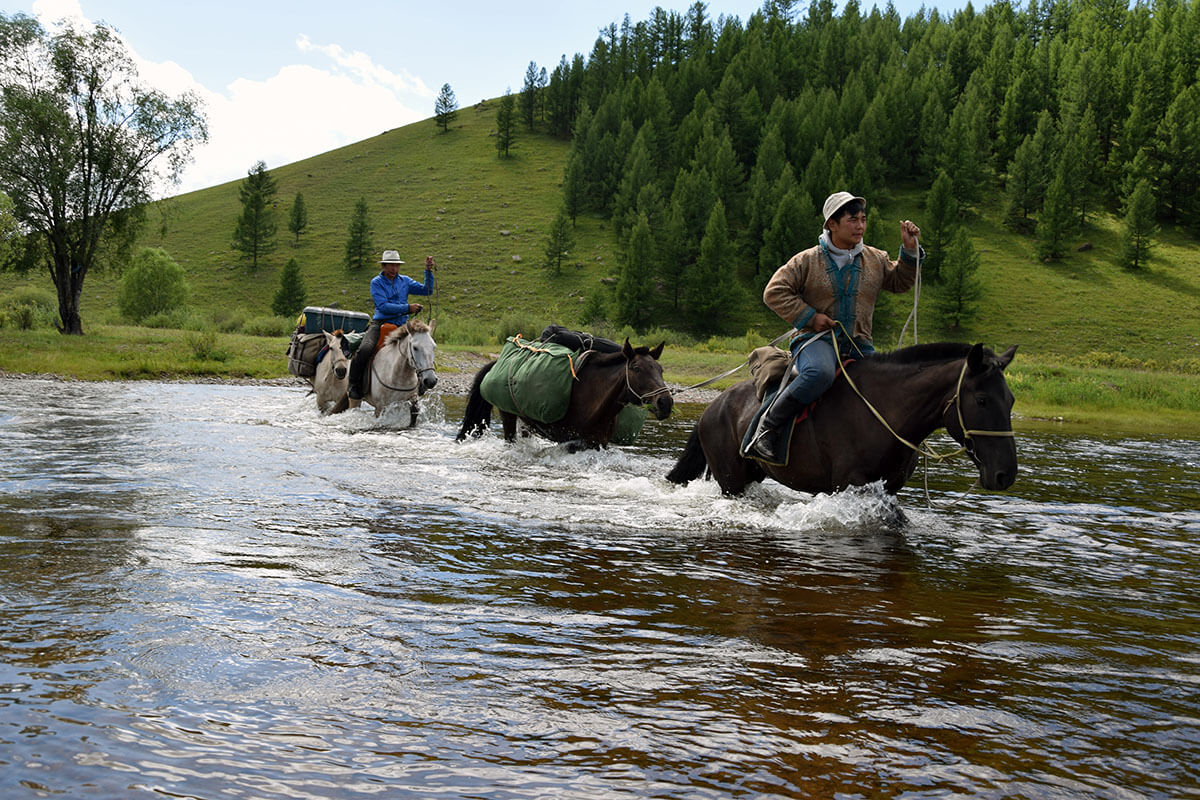
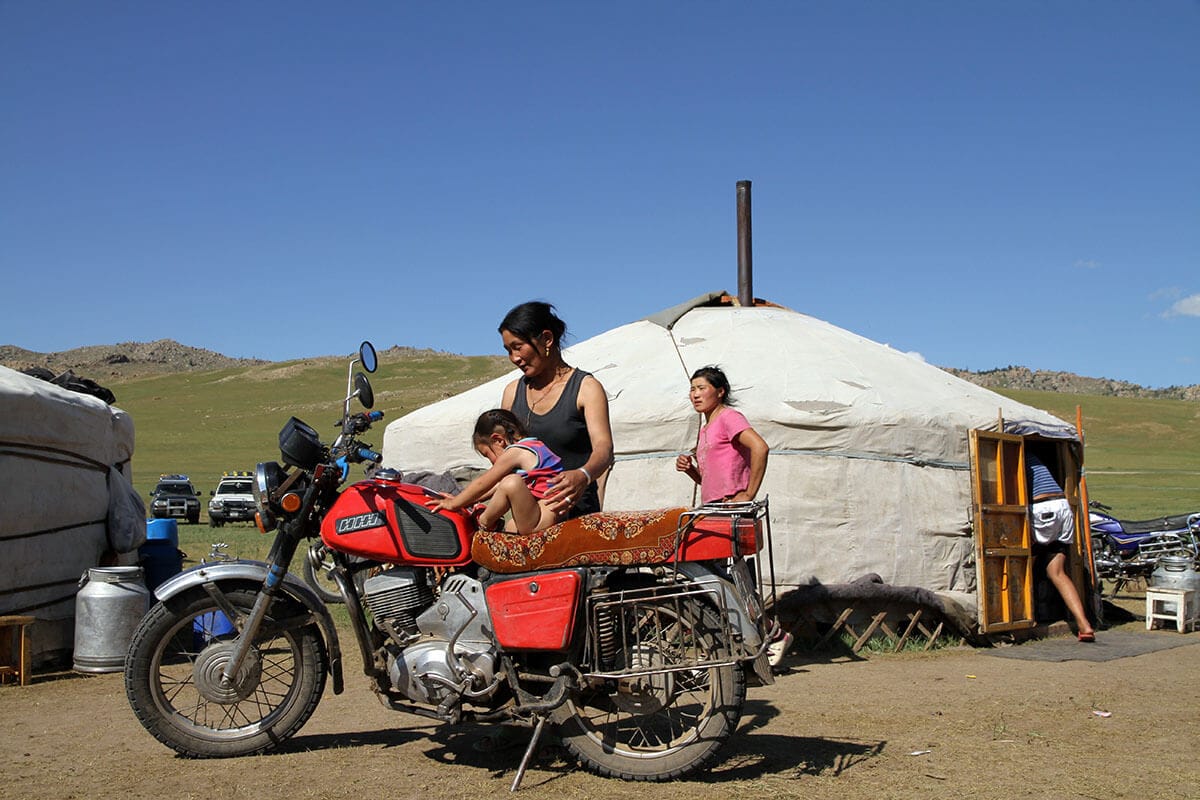
We will dedicate an entire day to discovering the lakeshore and the surrounding mountains. Participants will have the opportunity to engage in activities such as horseback riding, visiting reindeer families, hiking, and canoeing (weather permitting), among others. We'll meet the Tsaatan or Dukha, one of the last remaining groups of reindeer herders in the world. Their distinct lifestyle is centred around reindeer and is guided by Shamanism and ancestral traditional spiritual practice based on nature worship.
Activities:
- Visit reindeer family
- Hike along the lakeshore
- Lake boat tour available. Optional
- Horseback riding experience. Optional
Khovsgol Lake
We will dedicate an entire day to discovering the lakeshore and the surrounding mountains. Participants will have the opportunity to engage in activities such as horseback riding, visiting reindeer families, hiking, and canoeing (weather permitting), among others. We'll meet the Tsaatan or Dukha, one of the last remaining groups of reindeer herders in the world. Their distinct lifestyle is centred around reindeer and is guided by Shamanism and ancestral traditional spiritual practice based on nature worship.
Activities:
- Visit reindeer family
- Hike along the lakeshore
- Lake boat tour available. Optional
- Horseback riding experience. Optional
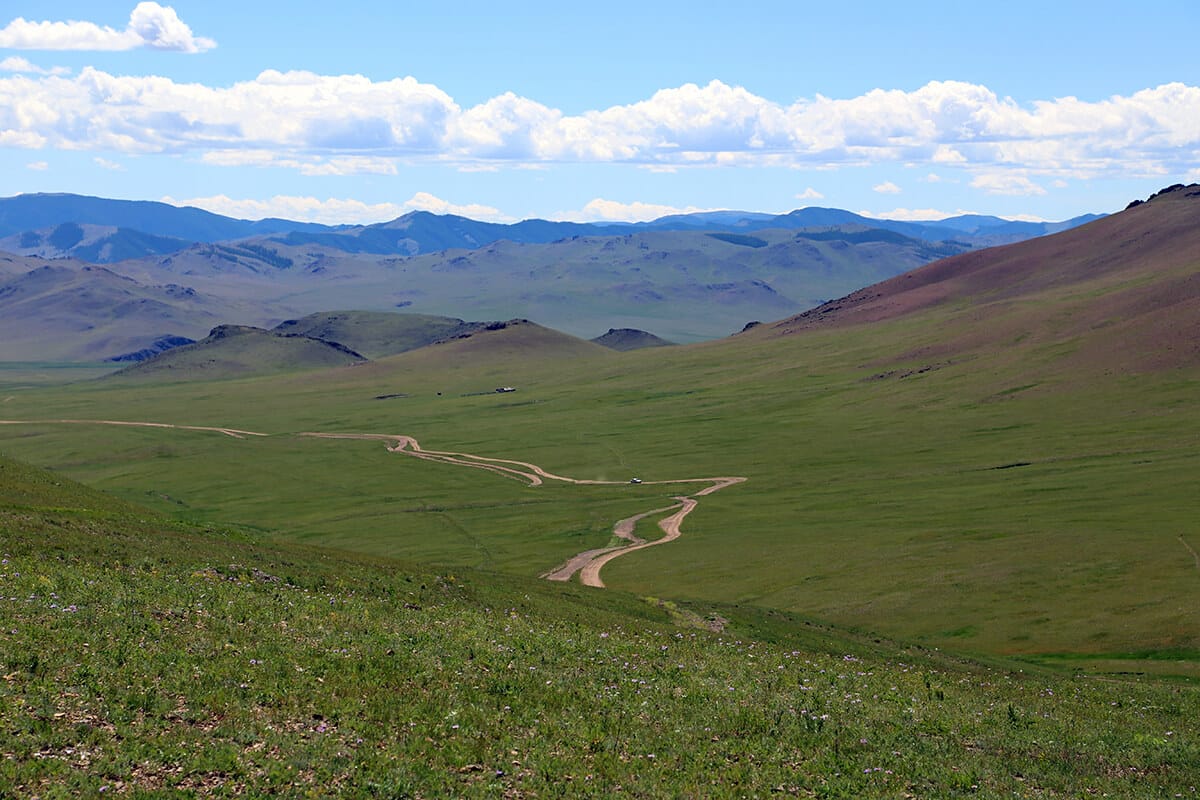
Located approximately 60 kilometers directly west of Bulgan city, the extinct volcano Uran Uul, along with the nearby Togoo Uul, is now part of the 1,600-hectare Uran-Togoo Tulga Uul Natural Reserve in the Khutag-Ondor district.
Trails leading to the summit of this relatively unremarkable volcano start from the west side, which also features some pleasant camping spots. At the peak of the extinct volcano, you'll find a crater that measures between 500 to 600 meters in width and 50 meters in depth, containing a small "crater lake" approximately 20 meters in diameter.
Activities:
- Explore Uran Togoo National Park
- Trek to an extinct volcano
Bulgan & Uran Togoo Mountain
Located approximately 60 kilometers directly west of Bulgan city, the extinct volcano Uran Uul, along with the nearby Togoo Uul, is now part of the 1,600-hectare Uran-Togoo Tulga Uul Natural Reserve in the Khutag-Ondor district.
Trails leading to the summit of this relatively unremarkable volcano start from the west side, which also features some pleasant camping spots. At the peak of the extinct volcano, you'll find a crater that measures between 500 to 600 meters in width and 50 meters in depth, containing a small "crater lake" approximately 20 meters in diameter.
Activities:
- Explore Uran Togoo National Park
- Trek to an extinct volcano

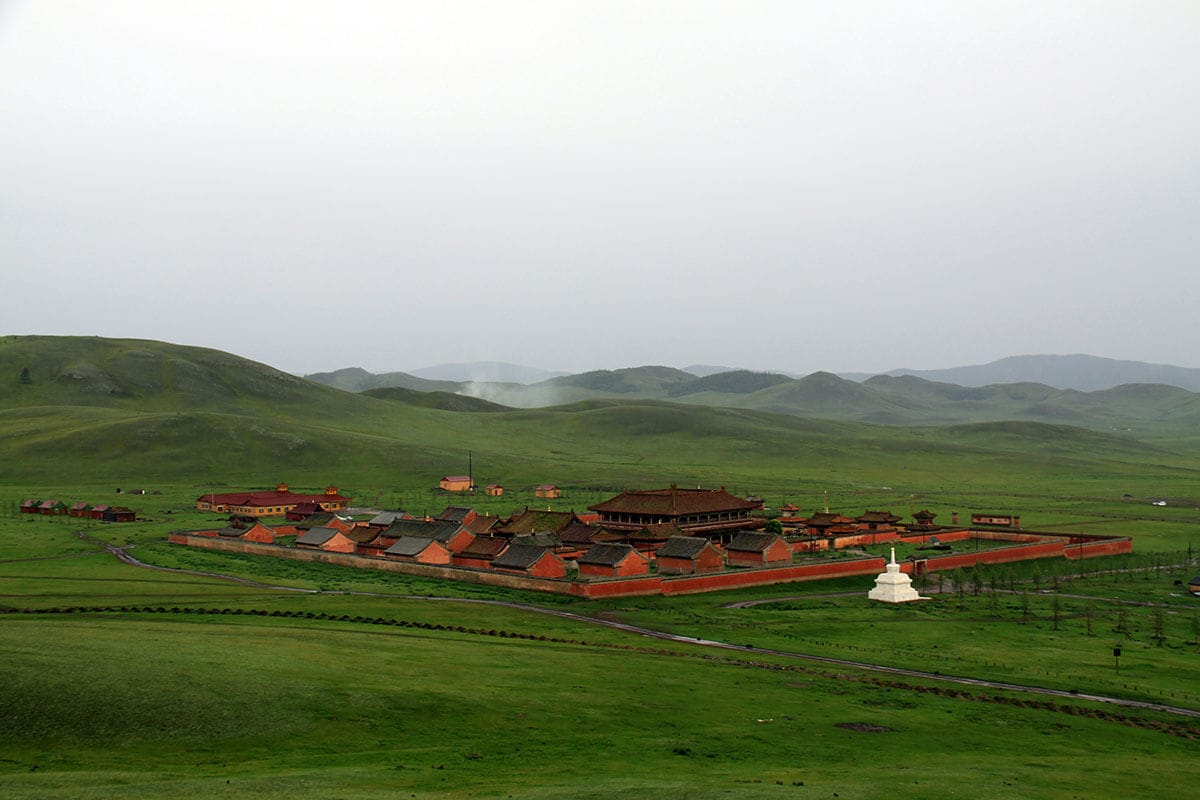
Today, we will arrive at Amarbayasgalant Monastery, which is beautifully nestled in a stunning valley embraced by mountains. Following Erdene Zuu Monastery, Amarbayasgalant is recognized as the second most significant monastery and the most well-preserved architectural complex in Mongolia. Constructed in the 18th century by the Manchu emperor Yongzheng, it is dedicated to the revered Mongolian Buddhist, Zanabazar.
Activities:
- Explore the Amarbaysgalant monastery
Amarbaysgalant Monastery
Today, we will arrive at Amarbayasgalant Monastery, which is beautifully nestled in a stunning valley embraced by mountains. Following Erdene Zuu Monastery, Amarbayasgalant is recognized as the second most significant monastery and the most well-preserved architectural complex in Mongolia. Constructed in the 18th century by the Manchu emperor Yongzheng, it is dedicated to the revered Mongolian Buddhist, Zanabazar.
Activities:
- Explore the Amarbaysgalant monastery
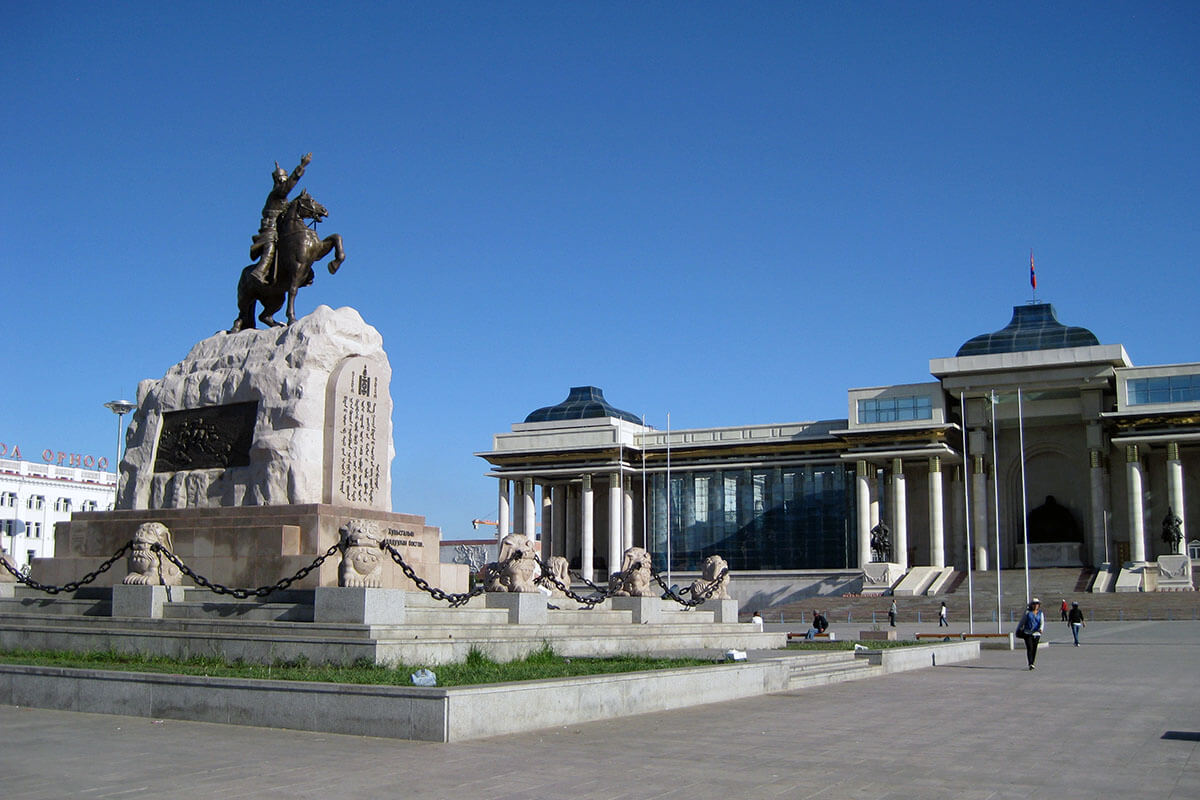
The moment has arrived to depart and make your way back to Ulaanbaatar, the capital of Mongolia. You are free to spend your afternoon as you wish. You will have the opportunity to enjoy a beautiful cultural performance, featuring talented contortionists and throat singers while you take in the vibrant and rhythmic dances of Mongolia.
Activities:
- Attend a folklore show featuring throat singers. Optional
- Shop for souvenir or cashmere. Optional
Ulaanbaatar
The moment has arrived to depart and make your way back to Ulaanbaatar, the capital of Mongolia. You are free to spend your afternoon as you wish. You will have the opportunity to enjoy a beautiful cultural performance, featuring talented contortionists and throat singers while you take in the vibrant and rhythmic dances of Mongolia.
Activities:
- Attend a folklore show featuring throat singers. Optional
- Shop for souvenir or cashmere. Optional
Similar Tours
Canoeing Orkhon Valley
- Moderate
- 15 days
- 13 / max
Big Loop
- Moderate
- 17 days
- 14 / max
The Secret of Gobi Desert & the Winding Steppes of Mongolia
- Moderate
- 8 days
- 14 / max
Khovsgol Ice Festival
- Moderate
- 5 days
- 14 / max
Winter national parks
- Moderate
- 3 days
- 14 / max
Naadam Festival
- Easy
- 2 days
- 14 / max
Cradle of Mongolian Civilization
- Moderate
- 5 days
- 14 / max
Horse Trek to Mongolia's Reindeer Nomads
- Moderate
- 12 days
- 14 / max
Camel Trek through Central Mongolian Grasslands
- Moderate
- 6 days
- 14 / max
North Mongolia’s Reindeer Herders
- Moderate
- 7 days
- 14 / max