FAQ
GEOGRAPHY
Mongolia is a vast, landlocked nation in East Asia, positioned between two powerful neighbours—Russia to the north and China to the south. Historically, the region was distinguished as “Outer Mongolia,” while “Inner Mongolia” refers to the autonomous region within modern-day China.
Renowned for its sweeping grasslands, dramatic landscapes, and deep-rooted nomadic heritage, Mongolia offers a sense of open space found in few places on earth. Often called the “Land of the Eternal Blue Sky,” it boasts over 250 sunny days a year and a timeless way of life shaped by horseback culture, wide horizons, and a close connection to nature.
What is the capital of Mongolia
The capital and largest city of Mongolia is Ulaanbaatar, commonly referred to as UB. Serving as the country’s political, economic, and cultural center, Ulaanbaatar is home to roughly half of Mongolia’s entire population. The city blends modern urban development with traditional influences, offering a dynamic contrast to the vast rural landscapes that define much of the country.
Is Mongolia a big country
Yes! Mongolia ranks as the 19th largest country in the world, spanning approximately 1.5 million square kilometres (about 605,000 square miles). Despite its impressive size, it remains one of the most sparsely populated nations on the planet. With a population of just over 3.5 million people, vast stretches of the country remain untouched and open, giving Mongolia its remarkable sense of space and tranquility. This low population density is a key reason why its nomadic traditions, natural landscapes, and wide horizons feel so expansive and unspoiled.
What is the landscape like
Mongolia is renowned for its vast, untouched wilderness and breathtaking natural beauty. Despite its rugged simplicity, the country encompasses an impressive variety of landscapes, each offering its own unique character and charm:
The Gobi Desert: One of the world’s great cold deserts, stretching across southern Mongolia. It is known for its dramatic sand dunes, rocky plains, unique wildlife, and rich paleontological discoveries.
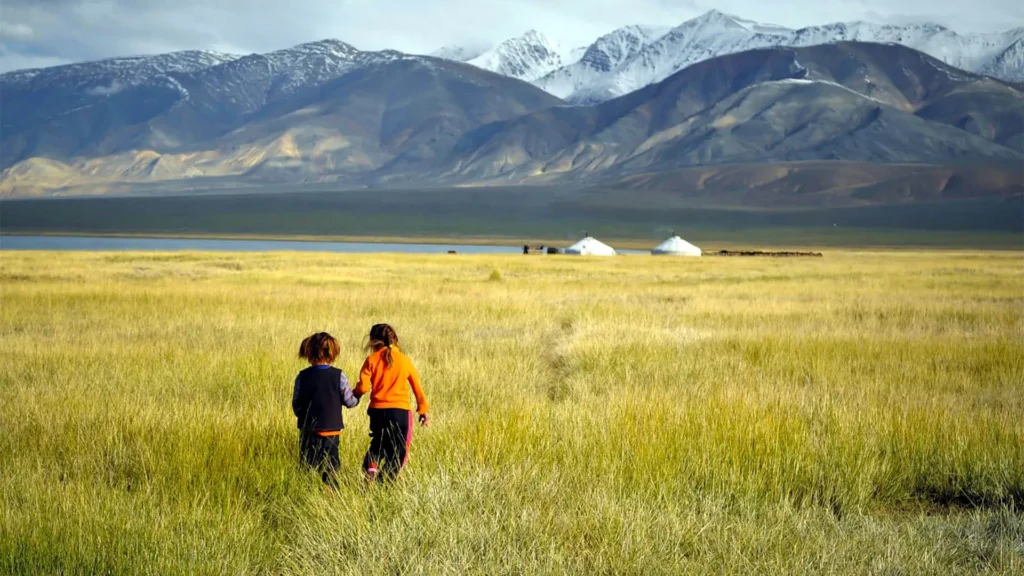
The Steppes: Immense, rolling grasslands that form the heart of the country. These open plains are the traditional home of Mongolia’s nomadic herders and embody the nation’s iconic sense of freedom and space.
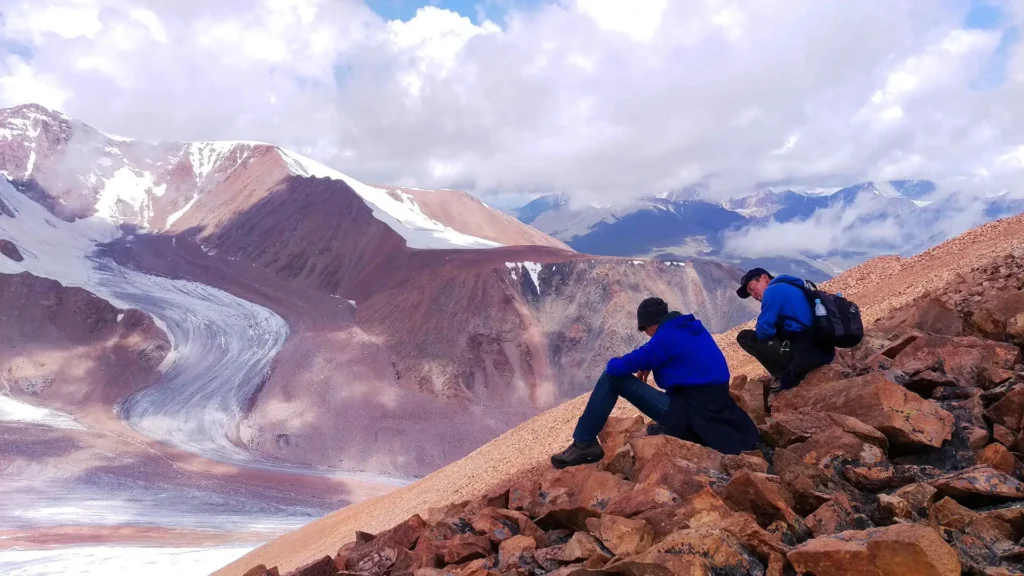
Mountain Ranges: The Altai, Khangai, and Khentii mountains shape Mongolia’s diverse terrain. These ranges feature snow-capped peaks, alpine valleys, and pristine rivers, offering excellent trekking and wildlife experiences.
Forests: In the north, dense taiga forests extend toward the Siberian border, supporting species such as elk, bears, and wolves.
Lakes: Mongolia is dotted with more than 3,000 lakes, including the spectacular Lake Khövsgöl—often called the “Blue Pearl of Mongolia” for its crystal-clear waters and serene, alpine setting.
Together, these landscapes make Mongolia a haven for nature lovers, adventurers, and anyone seeking unspoiled, wide-open spaces.
What language do people speak
The official language of Mongolia is Mongolian, which is spoken by the vast majority of the population and serves as the foundation of the country’s cultural identity. In urban centers and areas frequented by travelers, English is commonly used especially by tour guides, hospitality staff, and professionals working in the tourism industry. While English may not be widely spoken in rural regions, visitors will still find that locals are friendly and communication is often made easy through gestures, hospitality, and the help of guides.
What currency is used
The official currency of Mongolia is the Mongolian Tögrög (MNT). Credit cards are widely accepted in Ulaanbaatar, especially in hotels, restaurants, shops, and larger service providers. However, once you leave the capital and travel into the countryside, cash becomes essential. Many rural areas, small shops, and family-run ger camps do not have card facilities, so it’s best to carry enough Tögrög for daily expenses while exploring the countryside.
Who was Genghis Khan
Genghis Khan, born Temüjin, is celebrated as the founding father of Mongolia. In the early 13th century, he accomplished the remarkable feat of uniting the many independent and often rival Mongol tribes under a single leadership. Through his strategic brilliance, military innovation, and charismatic authority, he established the Mongol Empire, which would grow to become the largest contiguous land empire in world history.
Revered as a national hero, Genghis Khan represents the spirit, resilience, and identity of the Mongolian people. His legacy continues to shape Mongolia’s cultural pride, historical consciousness, and global image even today.
Are people still nomadic ?
Yes, a significant portion of the population (around 25-30%) still maintains a semi-nomadic lifestyle. They live in portable dwellings called gers (or yurts) and move their herds of horses, camels sheep, goats, cows and yaks between seasonal pastures.
What is a ger?
A ger is a traditional, circular, felt-covered tent used by nomads. It is perfectly designed for the Mongolian climate and nomadic life: warm in the winter, cool in the summer, sturdy against the wind, and easily collapsible for transport. It remains the quintessential symbol of Mongolian home and culture.
What is the main religion?
Tibetan Buddhism is the predominant religion, and it plays a major role in Mongolian culture. There is also a resurgence of Shamanism, the ancient, indigenous spiritual practice.
What is the Naadam Festival?
The Naadam Festival is the largest and most celebrated festival in Mongolia, often called the “Eriin Gurvan Naadam” (Three Games of Men). It features the three traditional Mongolian sports:
• Wrestling: A competition with hundreds of wrestlers and no weight classes.
• Horse Racing: Featuring child jockeys (ages 5-13) racing across the steppe for distances of 15-30 km.
• Archery: Both men and women compete using traditional composite bows.
It takes place nationwide on July 11-13, with the largest celebration in Ulaanbaatar.
What should I know about local customs?
- Always accept items with your right hand or both hands.
- Walk around a Ger clockwise.
- Ask before taking photos of people.
- Avoid touching someone’s head or stepping on thresholds.
What is the local food like?
Mongolian cuisine is deeply rooted in the country’s nomadic traditions, with a strong emphasis on meat and dairy products. The diet reflects the practical needs of life on the steppe, providing hearty, protein-rich foods that sustain people through harsh climates and long travels. Some of the most iconic dishes include:
Buuz: Steamed dumplings filled with seasoned mutton or beef, often enjoyed during the Lunar New Year and family gatherings.
Khorkhog: A unique Mongolian barbecue in which chunks of meat (usually mutton) and vegetables are cooked inside a sealed container with heated stones, infusing the food with rich flavors.
Airag: Fermented mare’s milk, a slightly alcoholic, tangy beverage traditionally consumed in the summer. It is highly valued for its refreshing qualities and cultural significance.
Tsuivan: A stir-fried noodle dish mixed with meat and vegetables, combining simple ingredients into a satisfying and flavorful meal.
Mongolian cuisine is a reflection of the country’s rugged landscape, nomadic lifestyle, and strong cultural heritage, offering travelers a taste of the steppe in every bite.
Is vegetarian meal available
Vegetarian and vegan meals are available on request — please let us know in advance. We cater all dietary meals.
Is tap water safe to drink
No. Please drink bottled or boiled water only.
Are medical services available?
Modern clinics are available in Ulaanbaatar. In rural areas, services are basic — carry any personal medication you need.
What’s the weather like?
Mongolia experiences a continental climate, characterized by extreme seasonal variations. Summers are generally warm, with long daylight hours and plenty of sunshine, yet even in July, nights can turn surprisingly chilly due to the country’s high elevation and open landscapes. Winters are harsh and bitterly cold, often plunging well below freezing, with dry air and occasional strong winds. This dramatic temperature range shapes daily life, travel planning, and the traditional nomadic lifestyle, making layered clothing and preparation essential for visitors year-round.
What should I pack?
Essential items to pack for a trip to Mongolia include:
Warm layers: Even during summer, temperatures can drop sharply at night, especially in the countryside and mountainous areas. Bring sweaters, a fleece, or a light insulated jacket.
Hat, sunglasses, and sunscreen: The sun can be strong across the open steppes and deserts, so protection against UV rays is crucial.
Comfortable walking shoes: Whether trekking, exploring ger camps, or wandering city streets, sturdy and comfortable footwear is essential for all types of terrain.
Power bank and flashlight: Remote areas may have limited electricity, making a power bank handy. A flashlight or headlamp is useful for evening walks or rural accommodations.
Personal medicines: Bring any prescription or over-the-counter medications you may need, as pharmacies in remote areas are scarce and may not stock familiar brands.
These items ensure comfort, safety, and preparedness while exploring Mongolia’s diverse landscapes and unpredictable weather.
How do we travel during tours?
For our tours, we use comfortable 4×4 vehicles that are fully equipped for off-road travel. These vehicles are ideal for navigating Mongolia’s rugged terrain, from rolling steppes to desert tracks and mountainous paths. The drives themselves are an integral part of the adventure, offering travelers uninterrupted views of the country’s breathtaking landscapes, nomadic settlements, and vast open horizons. Passengers can relax in comfort while experiencing the ever-changing scenery, making the journey as memorable as the destinations.
Are there domestic flights?
Yes, domestic flights are available in Mongolia, but they operate only a few times per week. Flight schedules are highly dependent on both the season and weather conditions, as sudden changes in temperature, wind, or visibility can affect departures and arrivals. Travelers should plan ahead and remain flexible, especially when visiting remote regions, and be prepared for occasional delays or adjustments to itineraries.
Do I need a visa to enter Mongolia?
Most nationalities can enter Mongolia without a visa for stays of up to 30 days. If you wish to extend your visit, it is possible to prolong this initial 30-day period for an additional 30 days, subject to local immigration regulations. Travelers should ensure their passport is valid for the duration of their stay and check current requirements before traveling, as rules may change. In addition to visa-free entry for many nationalities, travelers can also apply for an e-visa to Mongolia. This electronic visa allows eligible visitors to obtain approval online before arrival, providing a convenient alternative to traditional visa applications at embassies or consulates. It is important to check eligibility, processing times, and validity periods in advance to ensure a smooth entry.
https://www.evisa.mn/en
Are there domestic flights?
Yes, domestic flights are available in Mongolia, but they operate only a few times per week. Flight schedules are highly dependent on both the season and weather conditions, as sudden changes in temperature, wind, or visibility can affect departures and arrivals. Travelers should plan ahead and remain flexible, especially when visiting remote regions, and be prepared for occasional delays or adjustments to itineraries.
How do I get to Mongolia?
Most travelers enter Mongolia through Ulaanbaatar’s Chinggis Khaan International Airport, the country’s main gateway for international flights. Alternatively, it is possible to arrive overland: trains connect Mongolia with both China and Russia, offering scenic rail journeys, while cross-border travel by car or bus provides a flexible option for those seeking an adventurous route. Each mode of entry offers a unique perspective on Mongolia’s landscapes and border regions.
When is the best time to visit?
The best time to visit Mongolia is from June to September, when the weather is warm, the landscapes are lush and green, and festivals such as Naadam (July 11–13) bring vibrant cultural celebrations. Late September is also appealing for its stunning autumn colors across the steppe and forests. In contrast, winters are bitterly cold, with harsh temperatures and snow covering much of the country, while spring can be very windy and dusty, making travel more challenging. Planning your visit according to the season ensures the most comfortable and rewarding experience.
What is a Ger camp?
A Ger, also known as a yurt, is a traditional circular felt tent used by Mongolian nomads for centuries. Designed to be portable yet sturdy, Gers provide warmth in winter and cool shelter in summer. For travelers, tourist Ger camps offer a modernized experience while preserving the authentic charm: comfortable beds, shared or private hot showers, and meals served in a central restaurant Ger. Staying in a Ger allows visitors to experience the nomadic lifestyle without sacrificing comfort.
Is Wi-Fi available in Ger camps?
Internet access in Mongolia is limited, especially in remote areas. Some tourist Ger camps offer Starlink or other satellite-based internet, usually available near the main restaurant or common areas. However, most locations are far from reliable connectivity, allowing travelers to truly disconnect and enjoy the vast, uninterrupted landscapes of the Mongolian wilderness.
Can I travel independently in Mongolia?
Traveling independently in Mongolia is possible but can be challenging. Distances between destinations are vast, and many roads are unpaved or unmarked, making navigation difficult. For safety, convenience, and a richer experience, guided tours are highly recommended, as local guides provide expertise, reliable transportation, and insights into the country’s landscapes, culture, and nomadic traditions.