Tour Highlights:
•Gobi Desert
•Khongoryn Els sand dunes
•Bayanzag, the Flaming Cliffs
•Yolyn Am
•See dinosaur fossils
•Ongi Monastery
•Explore Karakorum, the ancient capital of Mongolia
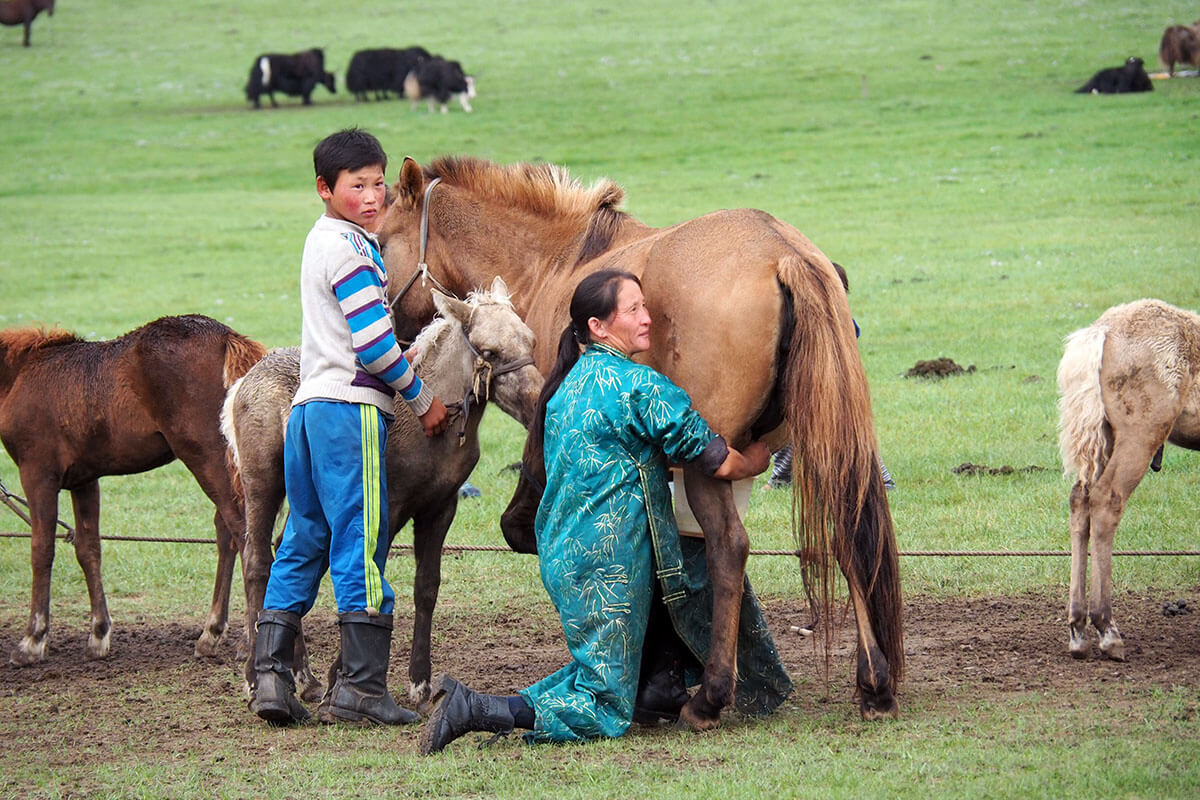
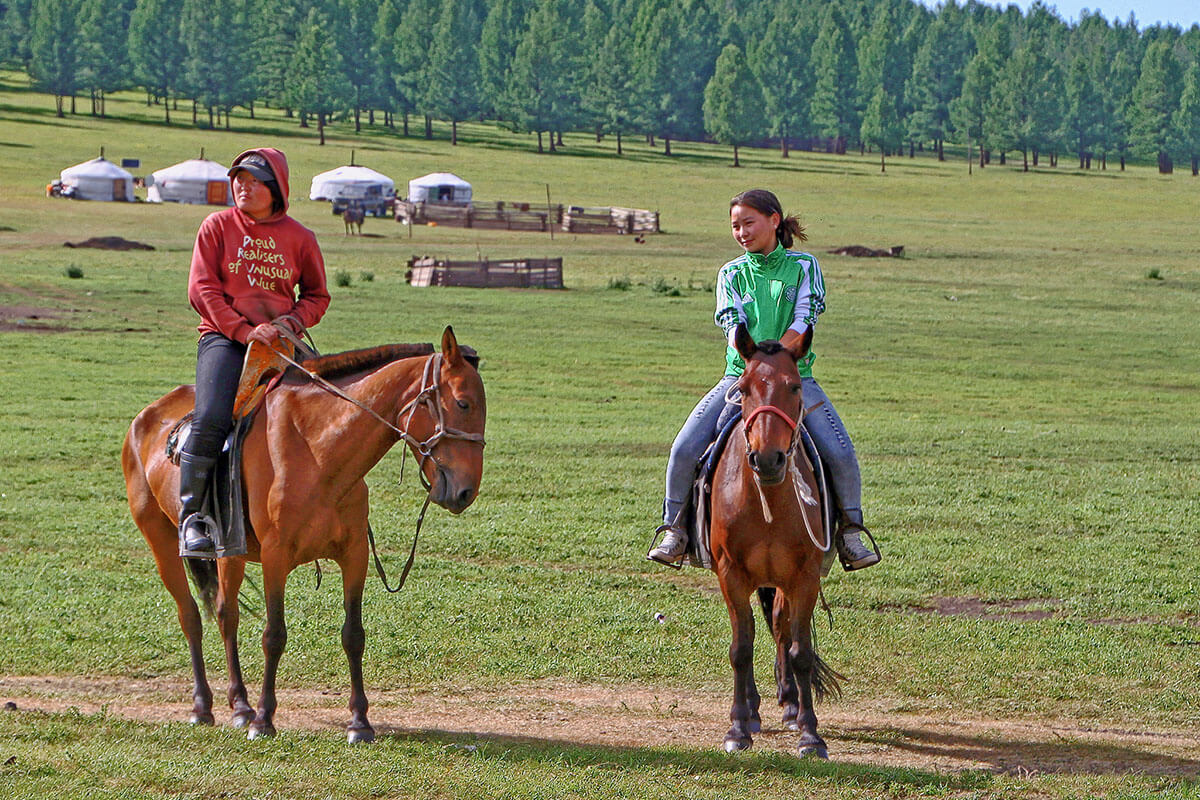
•Interact with nomadic families
•Baga Gazriin Chuluu
•Tsagaan Suvarga
•Erdene Zuu Monastery
•Khovsgol lake
•Attend a folklore show with throat singers
•Amarbaysgalant monastery
•Uran Togoo extinct volcano
•Khorgo volcano
•Terkhiin Tsagaan Nuur
•Tsenkher hot spring
•Tovkhon monastery
Baga Gazriin Chuluu
Tsagaan Suvarga
Yolyn Am
Khongoryn Els
Bayanzag, flaming cliff
Ongiin monastery
Karakorum
Orkhon valley & waterfall
Tovkhon monastery & Tsenkher Hot Spring
Khorgo - Terkhiin Tsagaan Nuur National Park
Khorgo - Terkhiin Tsagaan Nuur National Park
Grassland
Khovsgol Lake
Khovsgol
Bulgan & Uran Togoo Mountain
Amarbaysgalant Monastery
Ulaanbaatar
Day To Day Itinerary
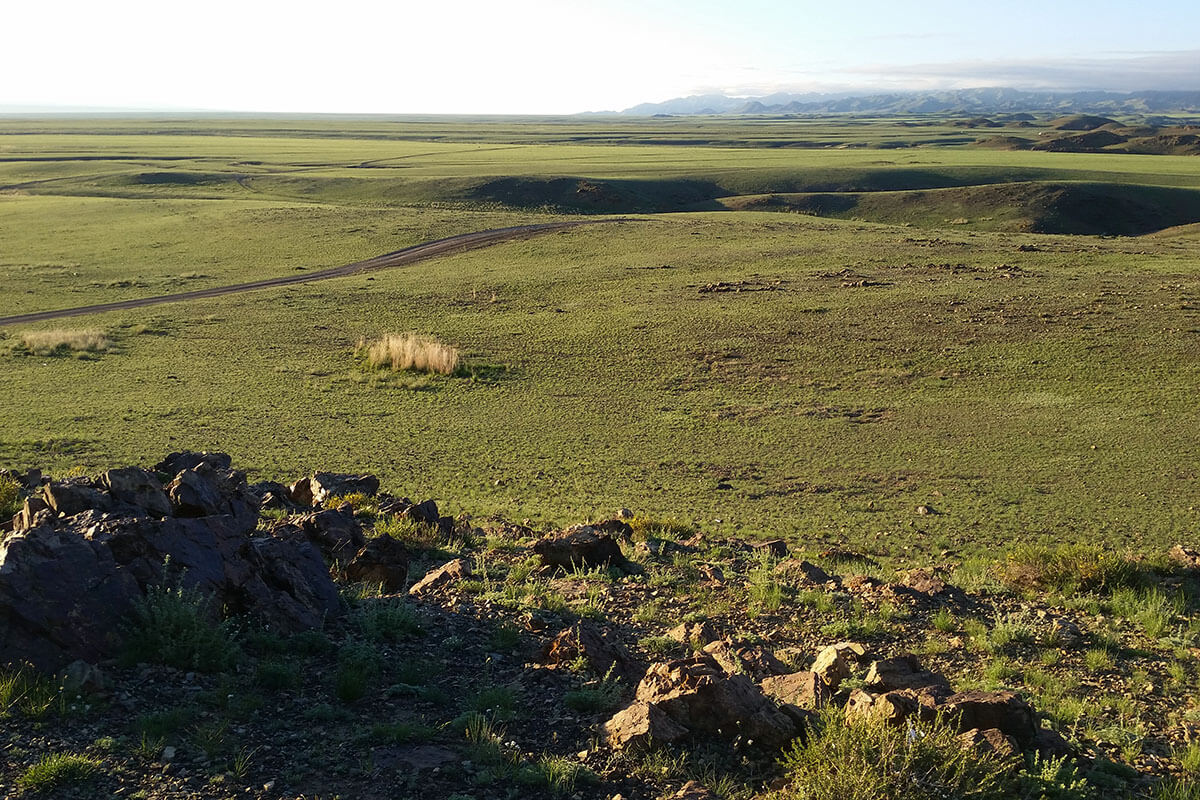
Your first destination lies 250 kilometers south in the stunning region of Baga Gazriin Chuluu, known for its striking granite formations rising from the sandy plains of central Mongolia.
Here, you'll explore the ruins of Delgeriin Choir Monastery and step inside a unique 12-walled Ger, beautifully carved and used by monks for chanting during the colder months. In the late afternoon, enjoy a scenic drive and hike through the towering granite hills and discover a peaceful valley hiding a small, picturesque monastery ruin. The area also features a spring believed to have healing properties for the eyes, cherished by locals for its natural remedy.
Activities:
- Explore the Choir Monastery
- Discover the stunning rock formation of Baga Gazar
- Visit the ruins of the solitary monk's monastery
Accommodation:
- Yurt L, D
Baga Gazriin Chuluu
Your first destination lies 250 kilometers south in the stunning region of Baga Gazriin Chuluu, known for its striking granite formations rising from the sandy plains of central Mongolia.
Here, you'll explore the ruins of Delgeriin Choir Monastery and step inside a unique 12-walled Ger, beautifully carved and used by monks for chanting during the colder months. In the late afternoon, enjoy a scenic drive and hike through the towering granite hills and discover a peaceful valley hiding a small, picturesque monastery ruin. The area also features a spring believed to have healing properties for the eyes, cherished by locals for its natural remedy.
Activities:
- Explore the Choir Monastery
- Discover the stunning rock formation of Baga Gazar
- Visit the ruins of the solitary monk's monastery
Accommodation:
- Yurt L, D
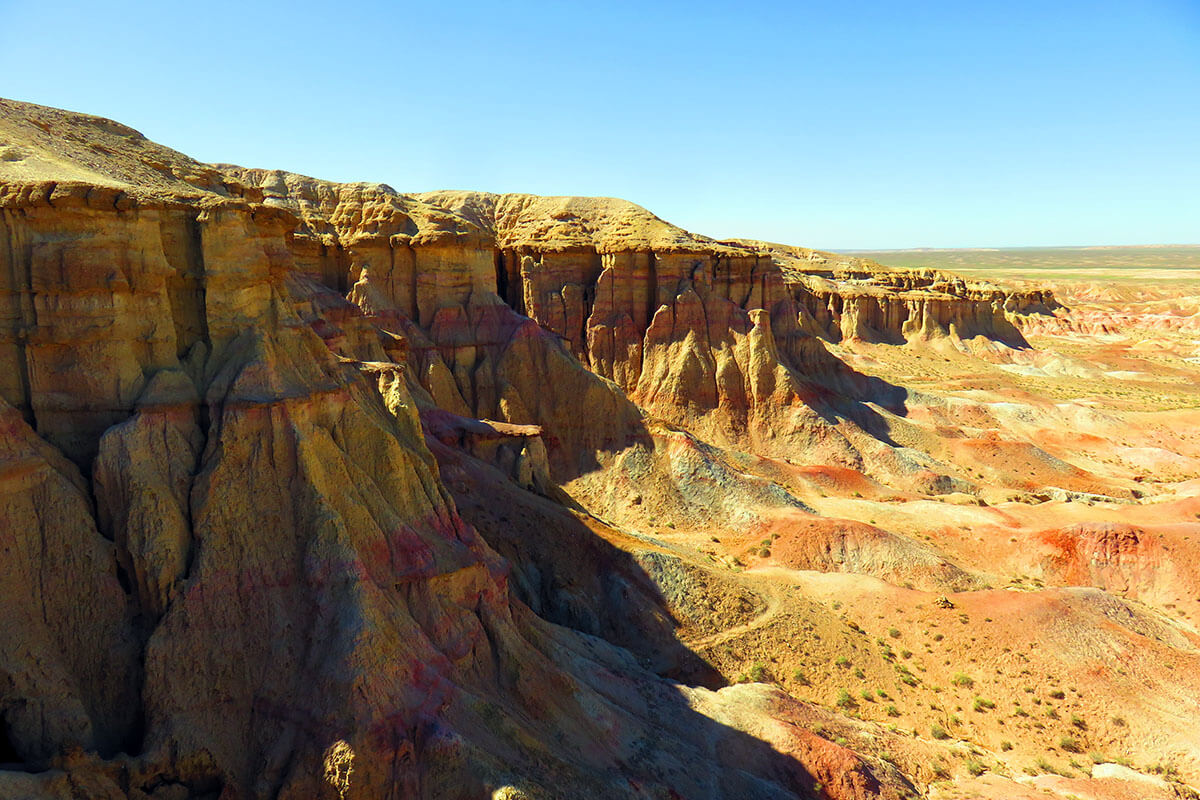
After breakfast, we’ll journey into the heart of the Gobi Desert, where the landscape dramatically shifts from green grasslands to stark, rugged terrain. By afternoon, we’ll reach Tsagaan Suvraga—an impressive 30-meter-high, 100-meter-wide cliff sculpted by wind over thousands of years.
From afar, it resembles the ruins of an ancient city, complete with weathered "structures." The area is rich in history, featuring petroglyphs of hunters, wild animals, and Turkic inscriptions carved into the rocks. A deep fissure slices through the terrain, revealing towering mud columns that evoke the jaws of a mythical beast. Some nearby caves even extend over 70 meters, with multiple chambers waiting to be explored.
Activities:
- Explore the majestic Tsagaan Suvarga cliffs
Accommodation:
- Yurt B, L, D
Tsagaan Suvarga
After breakfast, we’ll journey into the heart of the Gobi Desert, where the landscape dramatically shifts from green grasslands to stark, rugged terrain. By afternoon, we’ll reach Tsagaan Suvraga—an impressive 30-meter-high, 100-meter-wide cliff sculpted by wind over thousands of years.
From afar, it resembles the ruins of an ancient city, complete with weathered "structures." The area is rich in history, featuring petroglyphs of hunters, wild animals, and Turkic inscriptions carved into the rocks. A deep fissure slices through the terrain, revealing towering mud columns that evoke the jaws of a mythical beast. Some nearby caves even extend over 70 meters, with multiple chambers waiting to be explored.
Activities:
- Explore the majestic Tsagaan Suvarga cliffs
Accommodation:
- Yurt B, L, D
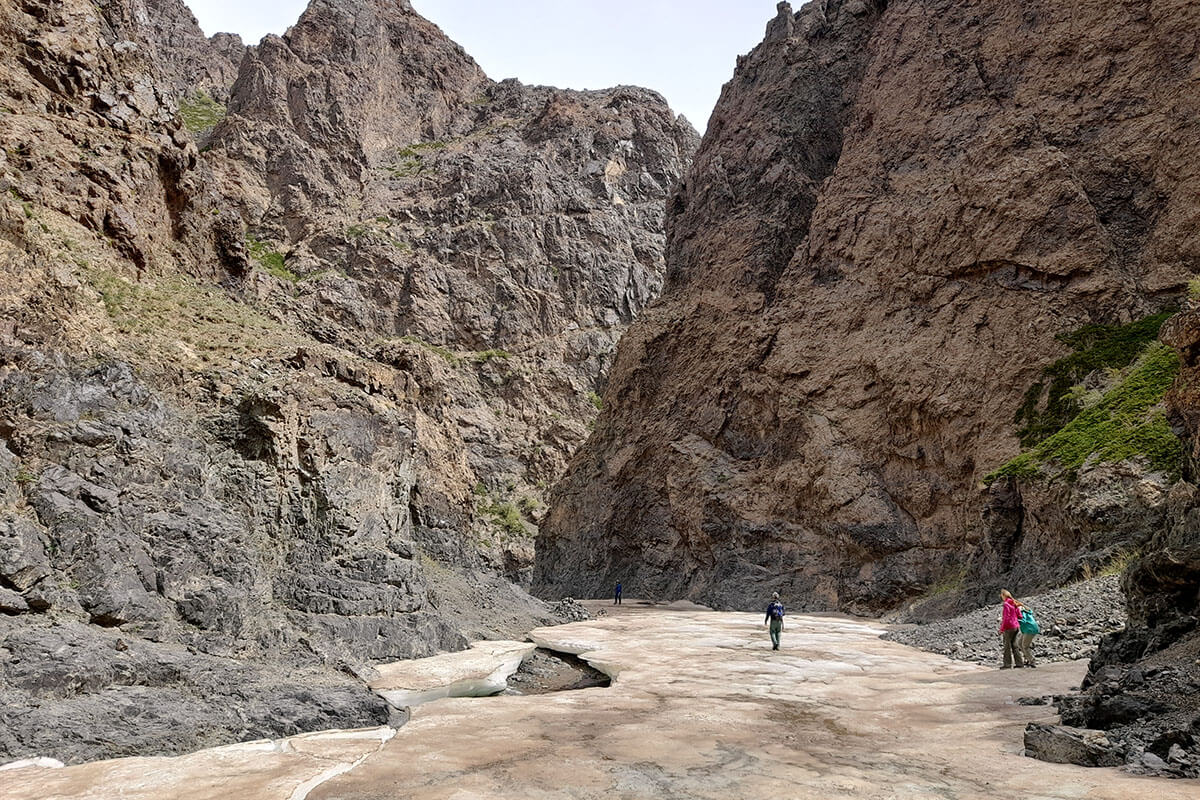
Today, we’ll head to Dalanzadgad, the main town in South Gobi province. As we travel, you’ll witness the vastness of the Gobi Desert—Asia’s largest and the world’s fifth largest desert—spanning 1,610 km by 800 km. Unlike typical deserts, much of the Gobi is covered in bare rock rather than sand.
The Gobi is a high-altitude cold desert, with temperatures ranging from –40°C in winter to +50°C in summer. It receives minimal rainfall, and in winter, snow from the Siberian Steppes brings extra moisture to the region.
Our journey will take us through the dramatic gorges of the Altai Mountains to Yolyn Am in Gobi Gurvansaikhan National Park. These lush, narrow valleys were shaped by ancient rivers and are home to wildlife such as Argali sheep, Ibex, desert gazelles, and soaring Golden Eagles.
Activities:
- Visit small museum of the park
- Explore Yolyn am gorge
- Hike through the gorge
Accommodation:
- Yurt B, L, D
Yolyn Am
Today, we’ll head to Dalanzadgad, the main town in South Gobi province. As we travel, you’ll witness the vastness of the Gobi Desert—Asia’s largest and the world’s fifth largest desert—spanning 1,610 km by 800 km. Unlike typical deserts, much of the Gobi is covered in bare rock rather than sand.
The Gobi is a high-altitude cold desert, with temperatures ranging from –40°C in winter to +50°C in summer. It receives minimal rainfall, and in winter, snow from the Siberian Steppes brings extra moisture to the region.
Our journey will take us through the dramatic gorges of the Altai Mountains to Yolyn Am in Gobi Gurvansaikhan National Park. These lush, narrow valleys were shaped by ancient rivers and are home to wildlife such as Argali sheep, Ibex, desert gazelles, and soaring Golden Eagles.
Activities:
- Visit small museum of the park
- Explore Yolyn am gorge
- Hike through the gorge
Accommodation:
- Yurt B, L, D
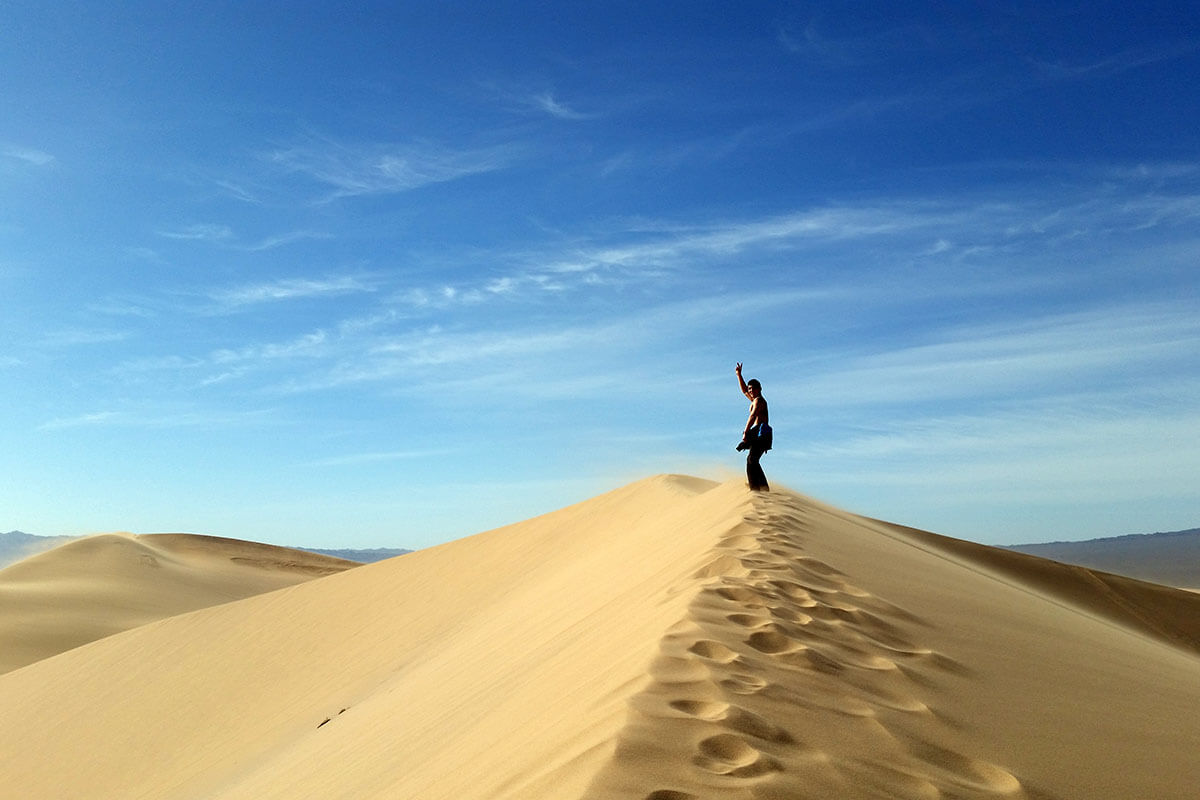
After breakfast, we’ll drive 180 km west to Khongoryn Els, home to Mongolia’s tallest sand dunes—rising up to 275 meters and stretching over 100 km. Shaped by the wind, these golden dunes ripple like frozen waves, backed by the dark, rugged slopes of Sevrey Mountain.
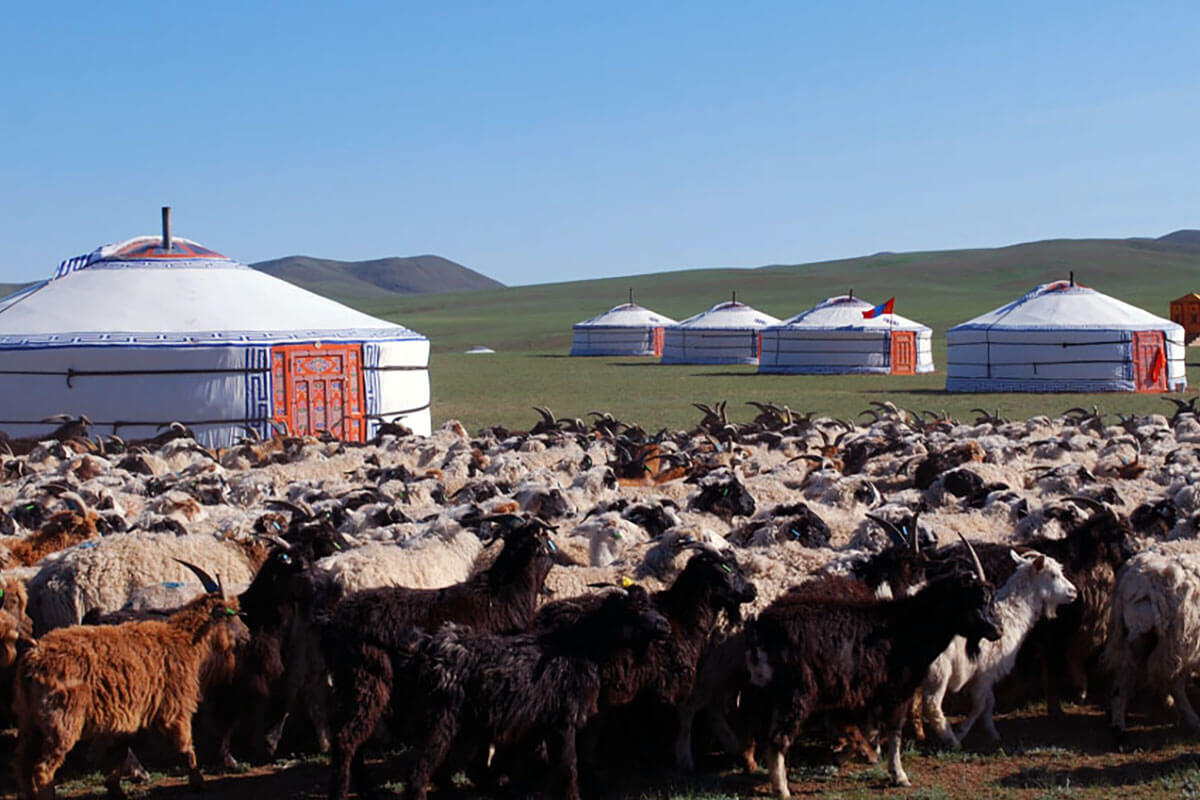
The Gobi, the world’s coldest desert, is a land of extremes where fierce winds sweep across vast plains. Life here is tough, and the nomads who call it home are known for their resilience. We’ll visit camel-herding families and gain insight into their remarkable way of life—marked by hard work, humility, and a deep bond with the land.
Activities:
- Discover the breath-taking Khongoryn Els Sand Dunes
- Optional hike to the highest dune for panoramic desert views
- Visit a local camel-herding family and experience nomadic life first-hand
Accommodation:
- Yurt B, L, D
Khongoryn Els
After breakfast, we’ll drive 180 km west to Khongoryn Els, home to Mongolia’s tallest sand dunes—rising up to 275 meters and stretching over 100 km. Shaped by the wind, these golden dunes ripple like frozen waves, backed by the dark, rugged slopes of Sevrey Mountain.
The Gobi, the world’s coldest desert, is a land of extremes where fierce winds sweep across vast plains. Life here is tough, and the nomads who call it home are known for their resilience. We’ll visit camel-herding families and gain insight into their remarkable way of life—marked by hard work, humility, and a deep bond with the land.
Activities:
- Discover the breath-taking Khongoryn Els Sand Dunes
- Optional hike to the highest dune for panoramic desert views
- Visit a local camel-herding family and experience nomadic life first-hand
Accommodation:
- Yurt B, L, D

Today, we’ll travel to Bayanzag, famously known as the "Flaming Cliffs." This iconic site is where renowned paleontologist Roy Chapman Andrews unearthed the first dinosaur bones and eggs. The landscape is striking, with fiery red cliffs, rugged rock formations, and patches of greenery. We’ll explore the area on foot, visit the local museum, and delve into the fascinating history of early 20th-century discoveries and expeditions.
Activities:
- Explore the Bayanzag cliffs, famous for the discovery of dinosaur skeletons and eggs
Accommodation:
- Yurt B, L, D
Bayanzag, flaming cliff
Today, we’ll travel to Bayanzag, famously known as the "Flaming Cliffs." This iconic site is where renowned paleontologist Roy Chapman Andrews unearthed the first dinosaur bones and eggs. The landscape is striking, with fiery red cliffs, rugged rock formations, and patches of greenery. We’ll explore the area on foot, visit the local museum, and delve into the fascinating history of early 20th-century discoveries and expeditions.
Activities:
- Explore the Bayanzag cliffs, famous for the discovery of dinosaur skeletons and eggs
Accommodation:
- Yurt B, L, D
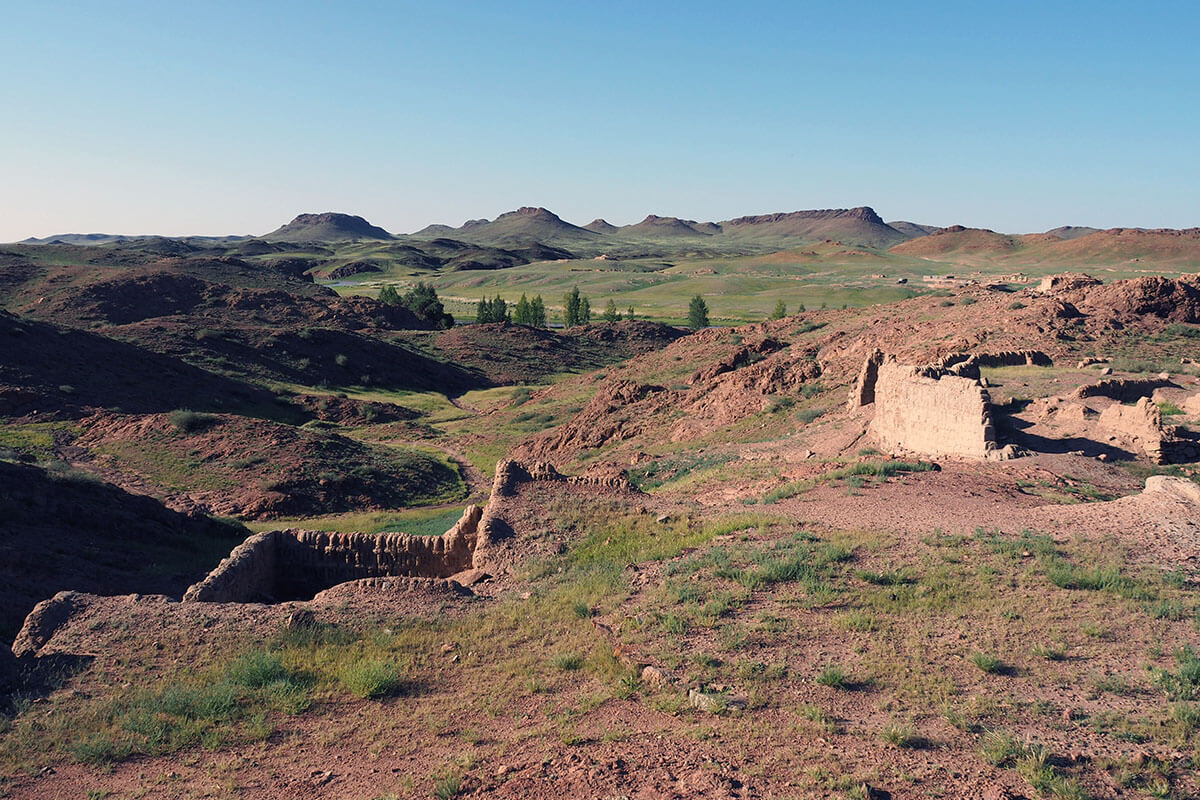
Today, you’ll visit the historic Ongi Monastery, nestled along the Ongi River in northwest Mongolia, with the serene Delger Khangai Mountains as a backdrop. You’ll explore the southern complex, which once held 11 temples and various administrative buildings, and the northern complex, founded in the 18th century, which included 17 temples and four Buddhist universities. Originally built in the 17th century, the monasteries were destroyed in 1937 and once housed over 1,000 monks. Today, a small monastery has been rebuilt among the ruins, and artifacts are displayed in the nearby Ger Museum.
Activities:
- Explore the remnants of the Ongi Monastery
Accommodation:
- Yurt B, L, D
Ongiin monastery
Today, you’ll visit the historic Ongi Monastery, nestled along the Ongi River in northwest Mongolia, with the serene Delger Khangai Mountains as a backdrop. You’ll explore the southern complex, which once held 11 temples and various administrative buildings, and the northern complex, founded in the 18th century, which included 17 temples and four Buddhist universities. Originally built in the 17th century, the monasteries were destroyed in 1937 and once housed over 1,000 monks. Today, a small monastery has been rebuilt among the ruins, and artifacts are displayed in the nearby Ger Museum.
Activities:
- Explore the remnants of the Ongi Monastery
Accommodation:
- Yurt B, L, D
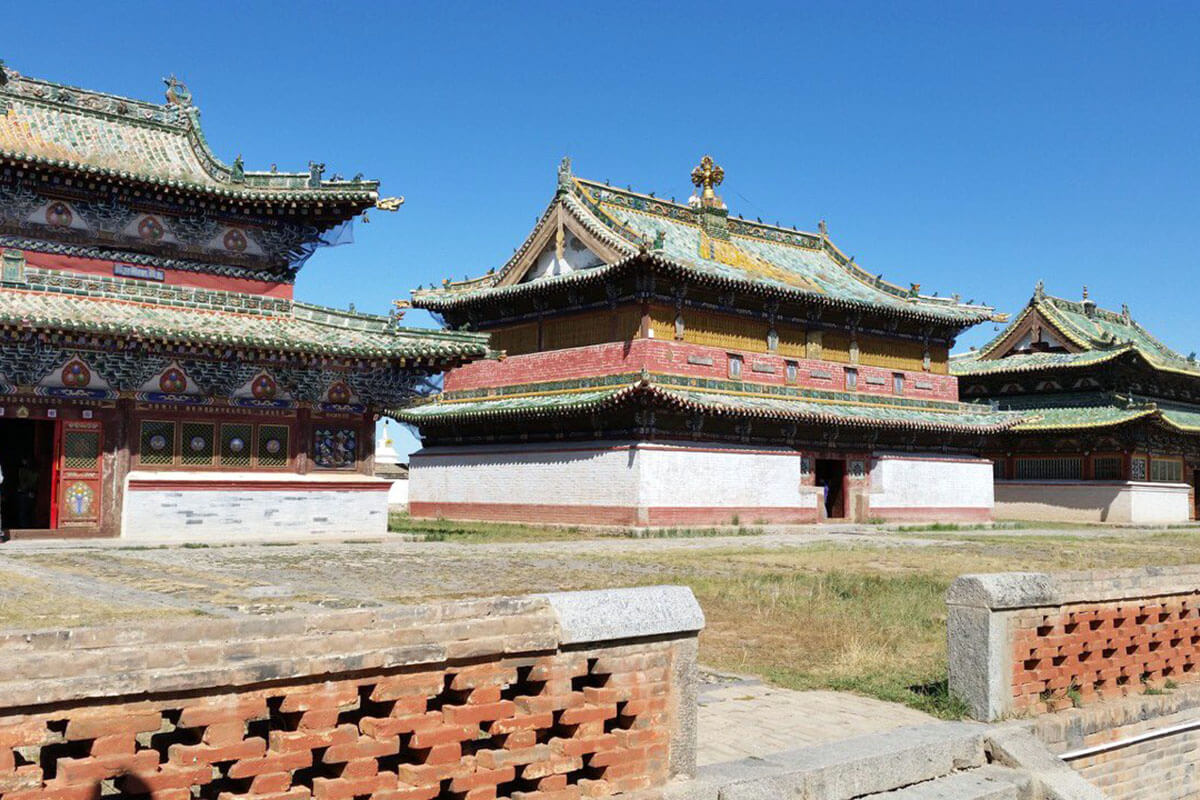
Today, we journey to Karakorum, the 13th-century capital of Genghis Khan’s Mongol Empire. Founded in 1220 in the Orkhon Valley, the city flourished under Ögedei Khan and became a vibrant center of politics, trade, and culture, known for its diversity. The famed silver tree from Möngke Khan’s palace symbolized its grandeur. Karakorum lost its capital status when Kublai Khan moved the seat to Beijing in 1260, becoming a lesser administrative hub until it was destroyed by Ming troops in 1388. Later, in 1588, Erdene Zuu Monastery was established on the ruins, initiated by Abtai Sain Khan with guidance from the 3rd Dalai Lama. Once home to over 1,000 lamas and 100 temples, the monastery now preserves three main temples—Dalai Lama, Zuu of Buddha, and Lavrin—within its ancient walls.
You’ll also explore the Karakorum Archaeological Museum, a compact yet rich collection of artifacts from the 13th–14th centuries and earlier, including tools, coins, sculptures, and inscriptions. Highlights include a kiln set into the floor, a model of the city based on William of Rubruck’s writings, and a Turkic noble’s tomb with paintings and treasures.
To round out the visit, you can see the famous Turtle Rock and Phallic Rock and browse a small market featuring local artists' crafts.
Activities:
- Explore the Erdene Zuu monastery
- Discover the Karakorum Archaeological Museum
Accommodation:
- Yurt B, L, D
Karakorum
Today, we journey to Karakorum, the 13th-century capital of Genghis Khan’s Mongol Empire. Founded in 1220 in the Orkhon Valley, the city flourished under Ögedei Khan and became a vibrant center of politics, trade, and culture, known for its diversity. The famed silver tree from Möngke Khan’s palace symbolized its grandeur. Karakorum lost its capital status when Kublai Khan moved the seat to Beijing in 1260, becoming a lesser administrative hub until it was destroyed by Ming troops in 1388. Later, in 1588, Erdene Zuu Monastery was established on the ruins, initiated by Abtai Sain Khan with guidance from the 3rd Dalai Lama. Once home to over 1,000 lamas and 100 temples, the monastery now preserves three main temples—Dalai Lama, Zuu of Buddha, and Lavrin—within its ancient walls.
You’ll also explore the Karakorum Archaeological Museum, a compact yet rich collection of artifacts from the 13th–14th centuries and earlier, including tools, coins, sculptures, and inscriptions. Highlights include a kiln set into the floor, a model of the city based on William of Rubruck’s writings, and a Turkic noble’s tomb with paintings and treasures.
To round out the visit, you can see the famous Turtle Rock and Phallic Rock and browse a small market featuring local artists' crafts.
Activities:
- Explore the Erdene Zuu monastery
- Discover the Karakorum Archaeological Museum
Accommodation:
- Yurt B, L, D
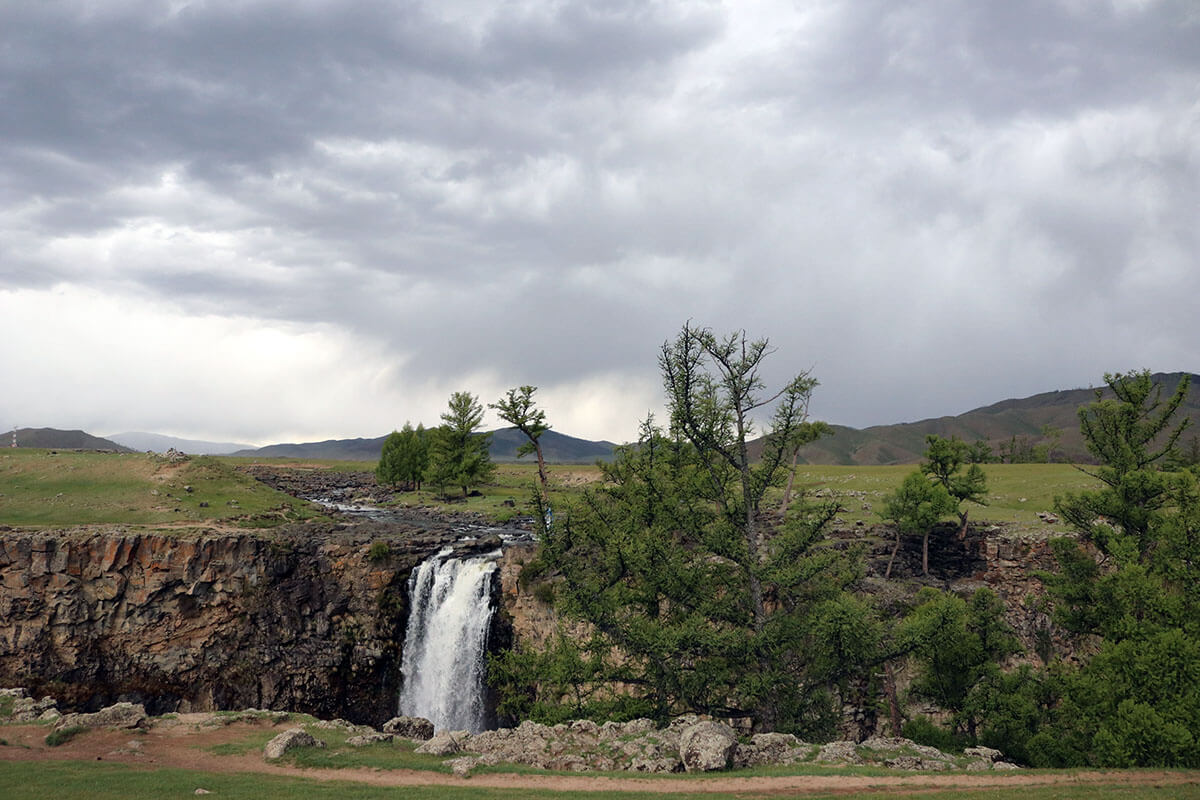
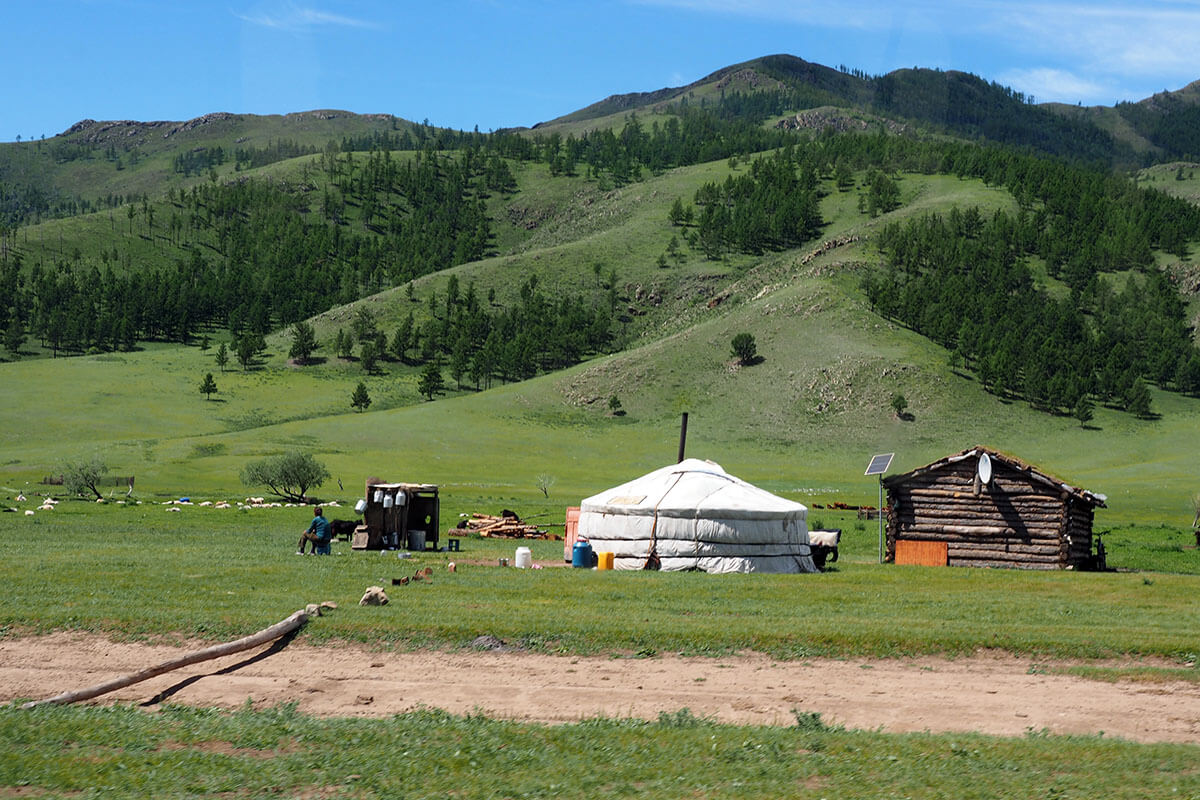
Today, we’ll journey west into the Orkhon Valley, where the Orkhon River winds through a landscape rich in history and natural beauty. Recognized as a UNESCO World Cultural Heritage site, the valley is home to ancient relics that date as far back as the 6th century and earlier. It was also the site of Karakorum, the capital of the great Mongol Empire during the 12th and 13th centuries. The traditional nomadic lifestyle continues to thrive here, preserving a way of life deeply connected to both history and nature. During the Quaternary period, a volcanic eruption near the mouth of the Tsagaan Azarga, or White Stallion River, sent lava flowing down the valley, forming a basalt layer around 10 meters thick. Over time, the Orkhon River carved through this basalt not once, but twice shaping the dramatic canyon we see today.
Activities:
- Explore the Orkhon Valley
- Discover the stunning Orkhon Waterfall
- Engage with a nomadic family that breeds horses and yaks
- Enjoy the opportunity for horseback riding. Optional.
Accommodation:
- Yurt B, L, D
Orkhon valley & waterfall
Today, we’ll journey west into the Orkhon Valley, where the Orkhon River winds through a landscape rich in history and natural beauty. Recognized as a UNESCO World Cultural Heritage site, the valley is home to ancient relics that date as far back as the 6th century and earlier. It was also the site of Karakorum, the capital of the great Mongol Empire during the 12th and 13th centuries. The traditional nomadic lifestyle continues to thrive here, preserving a way of life deeply connected to both history and nature. During the Quaternary period, a volcanic eruption near the mouth of the Tsagaan Azarga, or White Stallion River, sent lava flowing down the valley, forming a basalt layer around 10 meters thick. Over time, the Orkhon River carved through this basalt not once, but twice shaping the dramatic canyon we see today.
Activities:
- Explore the Orkhon Valley
- Discover the stunning Orkhon Waterfall
- Engage with a nomadic family that breeds horses and yaks
- Enjoy the opportunity for horseback riding. Optional.
Accommodation:
- Yurt B, L, D
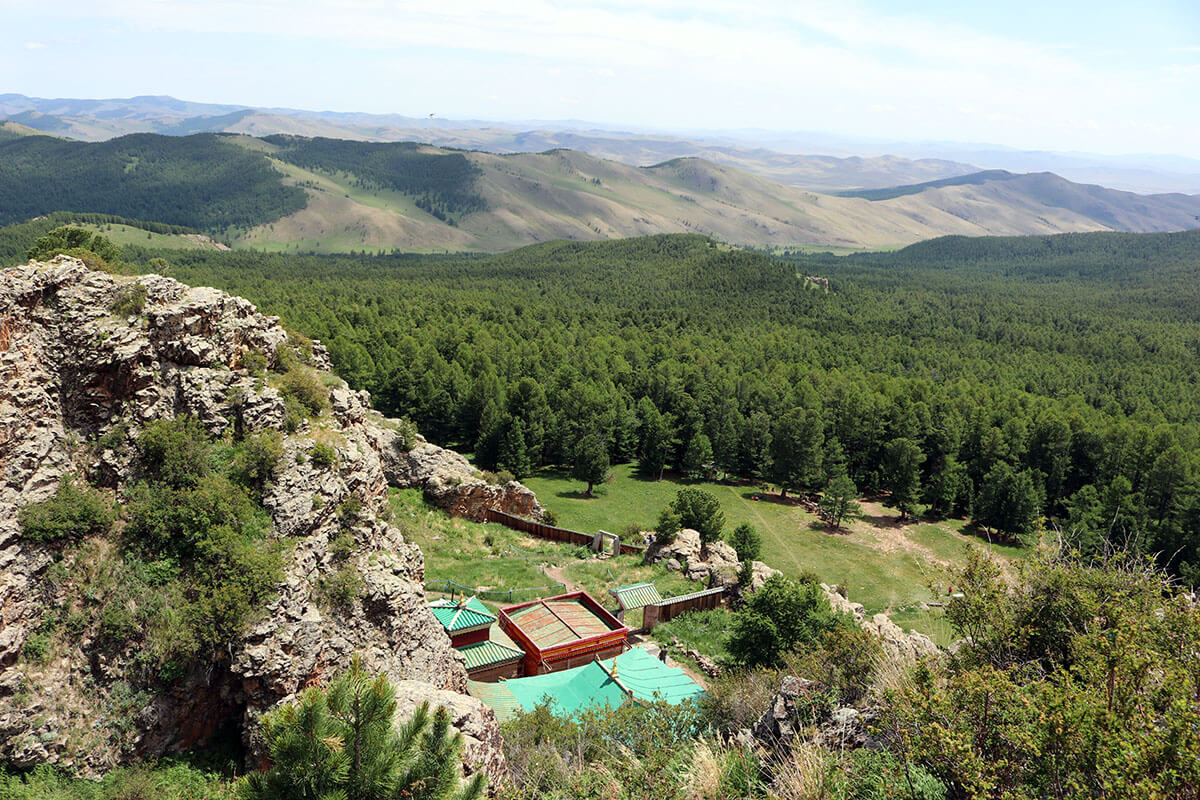
Tovkhon Monastery, established in the 1650s by Zanabazar—one of Mongolia’s most revered spiritual figures—is a serene retreat nestled near a hilltop. Its wooden buildings blend seamlessly with a network of natural caves, offering sweeping views of the Orkhon Valley and surrounding pine forests. At the summit, a sacred stone cairn known as an Ovoo stands in tribute to the mountain god, adding spiritual significance to the site.
Following our visit, we’ll continue our journey westward into the majestic Khangai Mountains. These ancient peaks, reaching elevations between 2,500 and 3,000 meters, are primarily formed from Paleozoic granite, intrusive chert, and sandstone. Stretching roughly 800 kilometers from Zavkhan to Tuv provinces, the Khangai range acts as a continental divide, shaping the flow of the world’s water systems.
By evening, we’ll arrive at the Tsenkher Hot Spring resort, home to a large open-air pool fed by natural springs that remain over 80°C. An advanced pipeline system ensures a comfortable soaking temperature, making it the perfect place to unwind. Guests can relax in the warm waters under the stars, enjoying the peaceful ambiance and sharing stories amidst the serene nightscape.
Activities:
- Embark on a scenic 7 km hike to Tovkhon Monastery, a journey that takes around 3 to 4 hours.
- Relax and rejuvenate at the hot spring spa—be sure to pack your swimsuit!
Accommodation:
- Yurt B, L, D
Tovkhon monastery & Tsenkher Hot Spring
Tovkhon Monastery, established in the 1650s by Zanabazar—one of Mongolia’s most revered spiritual figures—is a serene retreat nestled near a hilltop. Its wooden buildings blend seamlessly with a network of natural caves, offering sweeping views of the Orkhon Valley and surrounding pine forests. At the summit, a sacred stone cairn known as an Ovoo stands in tribute to the mountain god, adding spiritual significance to the site.
Following our visit, we’ll continue our journey westward into the majestic Khangai Mountains. These ancient peaks, reaching elevations between 2,500 and 3,000 meters, are primarily formed from Paleozoic granite, intrusive chert, and sandstone. Stretching roughly 800 kilometers from Zavkhan to Tuv provinces, the Khangai range acts as a continental divide, shaping the flow of the world’s water systems.
By evening, we’ll arrive at the Tsenkher Hot Spring resort, home to a large open-air pool fed by natural springs that remain over 80°C. An advanced pipeline system ensures a comfortable soaking temperature, making it the perfect place to unwind. Guests can relax in the warm waters under the stars, enjoying the peaceful ambiance and sharing stories amidst the serene nightscape.
Activities:
- Embark on a scenic 7 km hike to Tovkhon Monastery, a journey that takes around 3 to 4 hours.
- Relax and rejuvenate at the hot spring spa—be sure to pack your swimsuit!
Accommodation:
- Yurt B, L, D
We’ll arrive in the town of Tsetserleg in the morning and begin our day with a visit to a local museum showcasing Mongolian traditions and Buddhism from the early 1800s. Once a prominent Buddhist temple, the building was dismantled during the Soviet era but has since been preserved as a monastery-museum, offering a unique glimpse into Mongolia’s cultural and spiritual heritage.
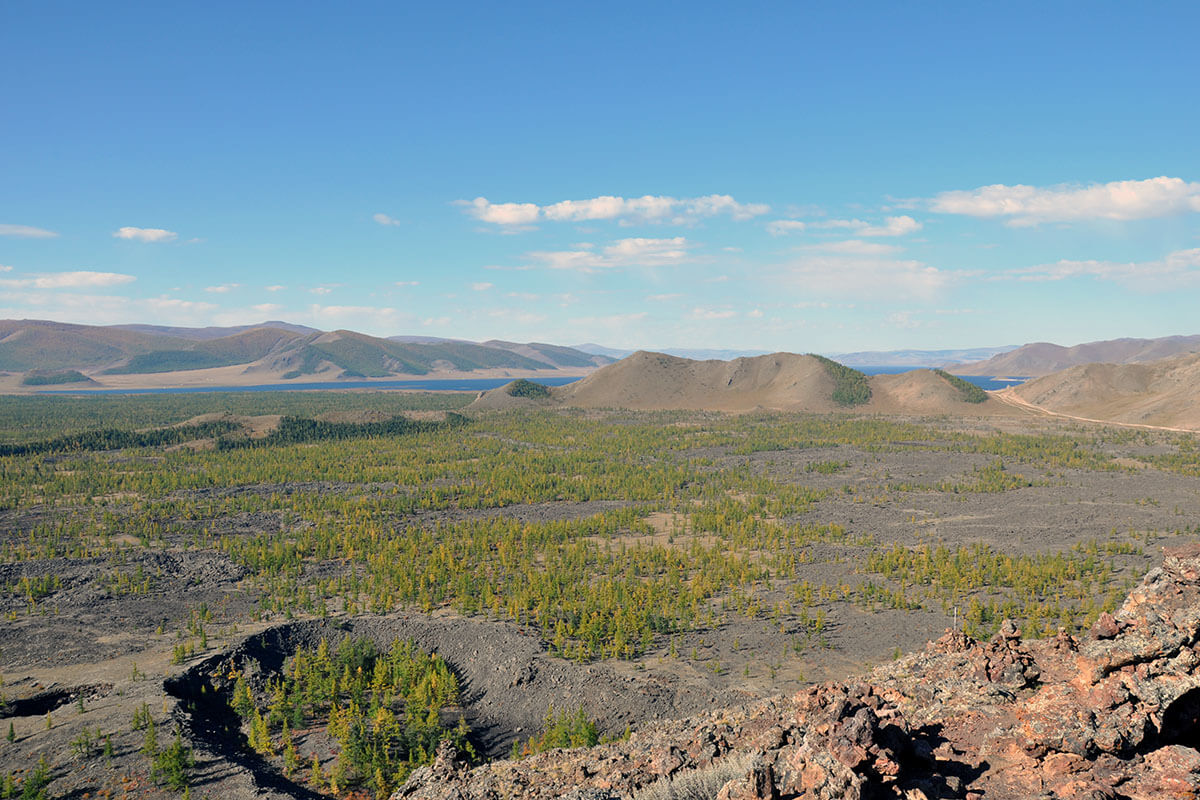
After exploring the museum, we’ll continue our journey to the breathtaking Terkhiin Tsagaan Lake. Formed by lava flows from an ancient volcanic eruption, the lake is surrounded by extinct volcanic craters and dramatic black lava rock formations. Stretching about 15 kilometers in length and reaching depths of up to 20 meters, the lake is one of Mongolia’s natural treasures. The surrounding landscape, with its rolling hills and a mix of steppe and woodland steppe vegetation, creates a truly picturesque and serene atmosphere.
Activities:
- Explore the charming town of Tsetserleg
- Visit the Zayiin Gegee Museum, rich in history and culture
- Take in the natural beauty of Terkhiin Tsagaan Nuur Lake
Accommodation:
- Yurt B, L, D
Khorgo - Terkhiin Tsagaan Nuur National Park
We’ll arrive in the town of Tsetserleg in the morning and begin our day with a visit to a local museum showcasing Mongolian traditions and Buddhism from the early 1800s. Once a prominent Buddhist temple, the building was dismantled during the Soviet era but has since been preserved as a monastery-museum, offering a unique glimpse into Mongolia’s cultural and spiritual heritage.
After exploring the museum, we’ll continue our journey to the breathtaking Terkhiin Tsagaan Lake. Formed by lava flows from an ancient volcanic eruption, the lake is surrounded by extinct volcanic craters and dramatic black lava rock formations. Stretching about 15 kilometers in length and reaching depths of up to 20 meters, the lake is one of Mongolia’s natural treasures. The surrounding landscape, with its rolling hills and a mix of steppe and woodland steppe vegetation, creates a truly picturesque and serene atmosphere.
Activities:
- Explore the charming town of Tsetserleg
- Visit the Zayiin Gegee Museum, rich in history and culture
- Take in the natural beauty of Terkhiin Tsagaan Nuur Lake
Accommodation:
- Yurt B, L, D
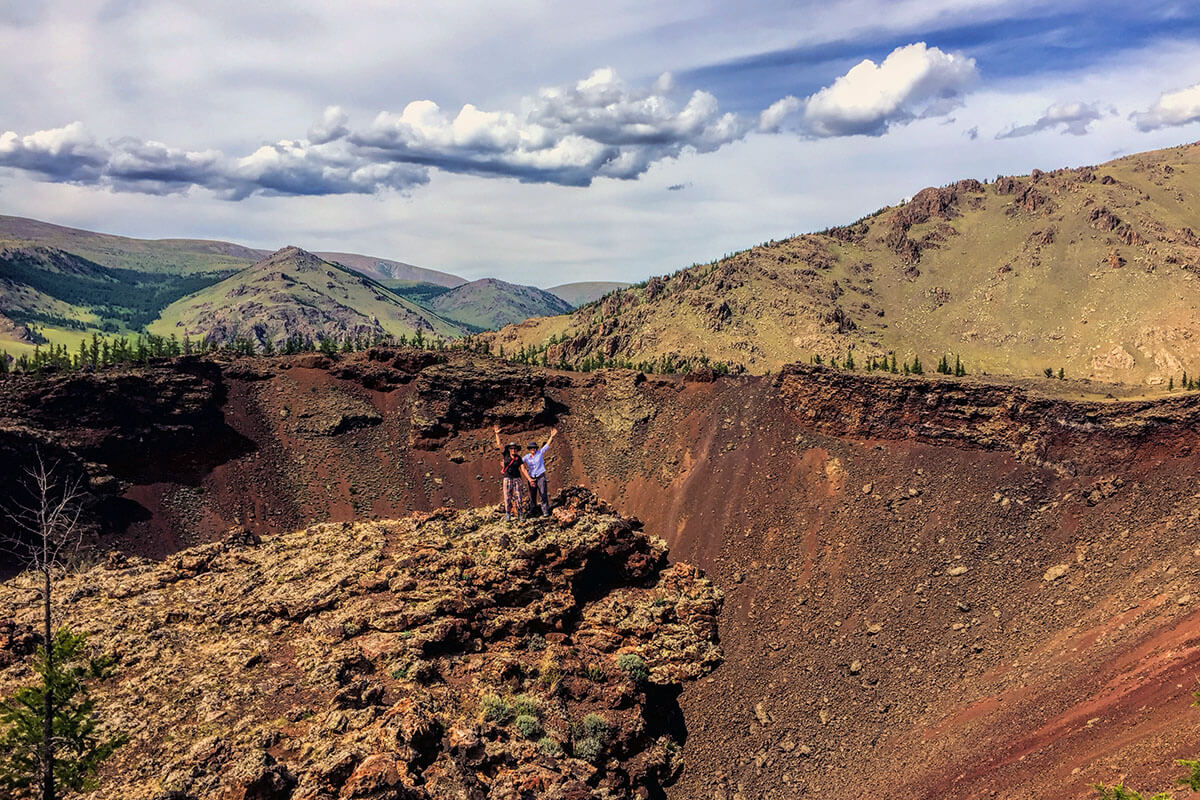
Terkhiin Tsagaan Lake offers the perfect setting for a relaxing day. In the morning, we’ll set out on an excursion to the summit of Khorgo Uul Volcano, located about 4 kilometers from the lake. This impressive volcanic peak features a crater approximately 200 meters wide and 100 meters deep, framed by trees around its rim and back.
South of Khorgo, you’ll encounter fascinating basalt formations known as “Gers,” created as lava cooled and solidified. Some of these natural structures include openings and door-like features, standing over 1.7 meters high. We’ll also visit the Single Man Cave—a modest-looking entrance that leads into a surprisingly spacious interior.
The afternoon is yours to enjoy optional activities, such as trekking through scenic valleys, boating or swimming in the lake, horseback riding, or visiting a local nomadic family for a deeper cultural experience.
Activities:
- Hike to the summit of the extinct Khorgo Volcano
- Enjoy the option of horseback riding through the scenic landscape
Accommodation:
- Yurt B, L, D
Khorgo - Terkhiin Tsagaan Nuur National Park
Terkhiin Tsagaan Lake offers the perfect setting for a relaxing day. In the morning, we’ll set out on an excursion to the summit of Khorgo Uul Volcano, located about 4 kilometers from the lake. This impressive volcanic peak features a crater approximately 200 meters wide and 100 meters deep, framed by trees around its rim and back.
South of Khorgo, you’ll encounter fascinating basalt formations known as “Gers,” created as lava cooled and solidified. Some of these natural structures include openings and door-like features, standing over 1.7 meters high. We’ll also visit the Single Man Cave—a modest-looking entrance that leads into a surprisingly spacious interior.
The afternoon is yours to enjoy optional activities, such as trekking through scenic valleys, boating or swimming in the lake, horseback riding, or visiting a local nomadic family for a deeper cultural experience.
Activities:
- Hike to the summit of the extinct Khorgo Volcano
- Enjoy the option of horseback riding through the scenic landscape
Accommodation:
- Yurt B, L, D
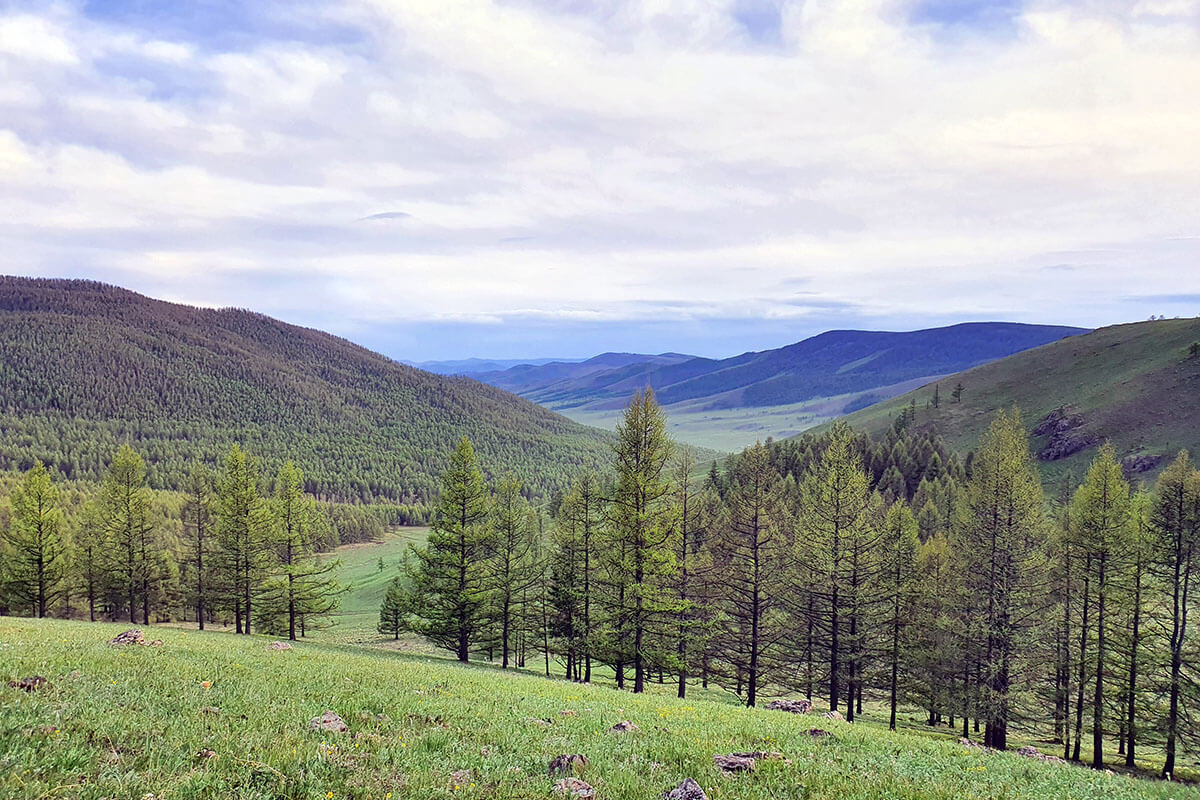
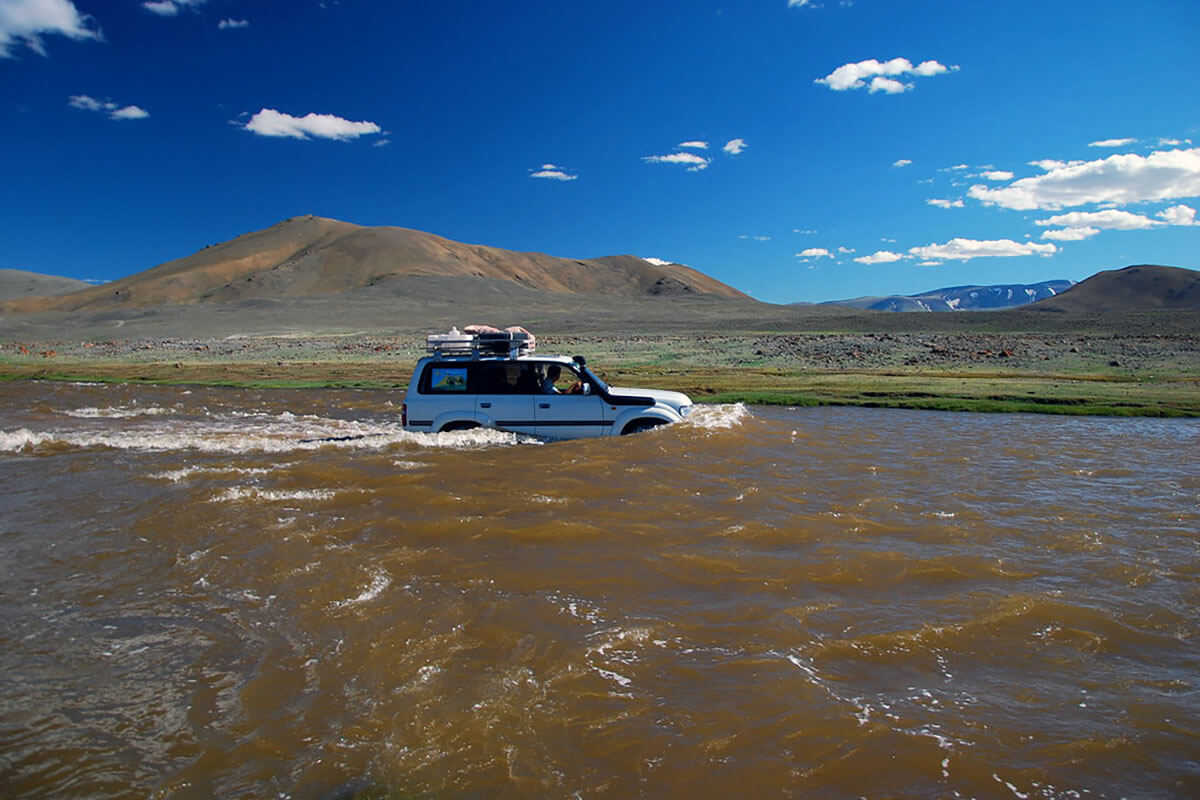
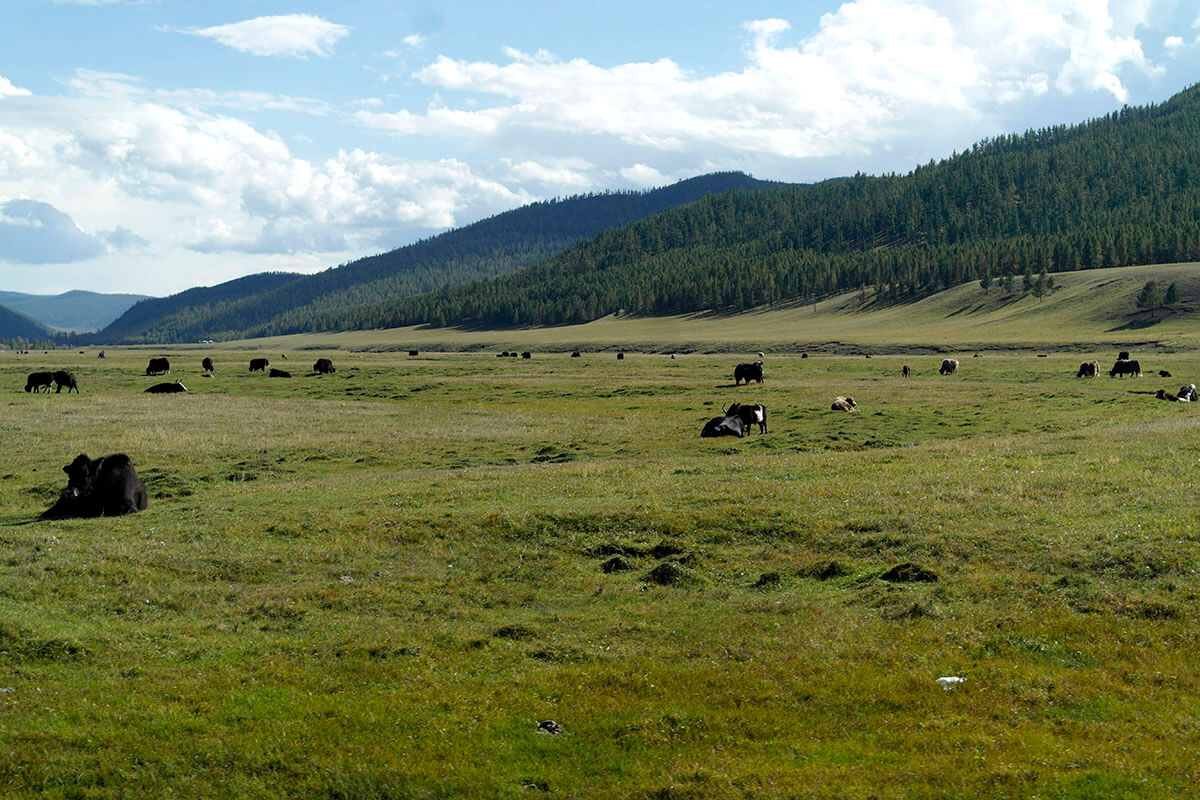
We’ll begin a two-day journey northward toward the stunning Khovsgol Lake. As we travel, we’ll pass through vast central grasslands dotted with herds of horses, cows, and yaks grazing freely. The route also takes us across a number of rivers—both wide and narrow—many of which are rich with fish, adding to the scenic charm of the journey.
Activities:
- Discover the beauty of the open grasslands
Accommodation:
- Yurt B, L, D
Grassland
We’ll begin a two-day journey northward toward the stunning Khovsgol Lake. As we travel, we’ll pass through vast central grasslands dotted with herds of horses, cows, and yaks grazing freely. The route also takes us across a number of rivers—both wide and narrow—many of which are rich with fish, adding to the scenic charm of the journey.
Activities:
- Discover the beauty of the open grasslands
Accommodation:
- Yurt B, L, D
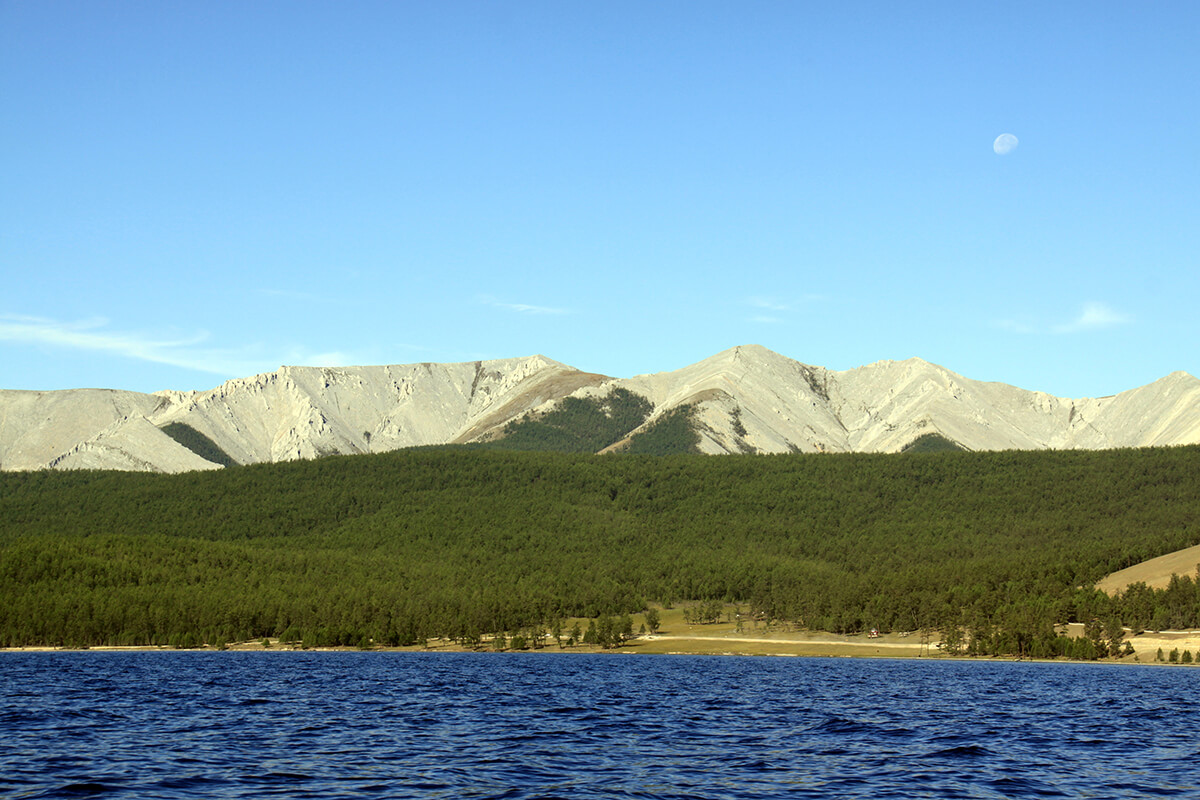
Our first destination will be the Uushig Deer Stone complex, home to a collection of ancient deer stones dating back to prehistoric times. This site offers a glimpse into the artwork of early peoples, featuring not only deer stones but also burial mounds. After exploring the complex, we will continue our journey northward to Khovsgol Lake.
Often referred to as Mongolia's "blue pearl," Khovsgol Lake spans an impressive 2,760 square kilometers, stretching 130 kilometers in length and 40 kilometers in width. It is surrounded by mountain ranges that rise over 2,000 meters, along with dense pine forests and verdant meadows where yaks and horses graze. The lake is fed by the crystal-clear waters of over 100 small rivers and streams, with only one river—the Egiin—draining it. This river eventually flows into the mighty Baikal Lake.
Activities:
- Explore the Uushig Deer Stone complex, a remarkable site from the Stone Age
- Immerse yourself in the stunning beauty of Khovsgol Lake
Accommodation:
- Yurt B, L, D
Khovsgol Lake
Our first destination will be the Uushig Deer Stone complex, home to a collection of ancient deer stones dating back to prehistoric times. This site offers a glimpse into the artwork of early peoples, featuring not only deer stones but also burial mounds. After exploring the complex, we will continue our journey northward to Khovsgol Lake.
Often referred to as Mongolia's "blue pearl," Khovsgol Lake spans an impressive 2,760 square kilometers, stretching 130 kilometers in length and 40 kilometers in width. It is surrounded by mountain ranges that rise over 2,000 meters, along with dense pine forests and verdant meadows where yaks and horses graze. The lake is fed by the crystal-clear waters of over 100 small rivers and streams, with only one river—the Egiin—draining it. This river eventually flows into the mighty Baikal Lake.
Activities:
- Explore the Uushig Deer Stone complex, a remarkable site from the Stone Age
- Immerse yourself in the stunning beauty of Khovsgol Lake
Accommodation:
- Yurt B, L, D

We’ll spend the entire day exploring the shores of Khovsgol Lake and the surrounding mountains. Participants can enjoy a variety of activities, including horseback riding, hiking, canoeing (weather permitting), and visiting reindeer herding families. We’ll also have the unique opportunity to meet the Tsaatan, or Dukha people—one of the last remaining groups of reindeer herders in the world. Their distinctive way of life revolves around reindeer, guided by Shamanism and deep-rooted ancestral traditions.
Activities:
- Visit a reindeer herding family
- Hike along the scenic lakeshore
- Optional boat tour available (optional)
- Experience horseback riding (optional)
Accommodation:
- Yurt B, L, D
Khovsgol
We’ll spend the entire day exploring the shores of Khovsgol Lake and the surrounding mountains. Participants can enjoy a variety of activities, including horseback riding, hiking, canoeing (weather permitting), and visiting reindeer herding families. We’ll also have the unique opportunity to meet the Tsaatan, or Dukha people—one of the last remaining groups of reindeer herders in the world. Their distinctive way of life revolves around reindeer, guided by Shamanism and deep-rooted ancestral traditions.
Activities:
- Visit a reindeer herding family
- Hike along the scenic lakeshore
- Optional boat tour available (optional)
- Experience horseback riding (optional)
Accommodation:
- Yurt B, L, D
Located about 60 kilometers west of Bulgan city, the extinct Uran Uul volcano, along with the nearby Togoo Uul, is part of the 1,600-hectare Uran-Togoo Tulga Uul Natural Reserve in the Khutag-Ondor district. Trails to the summit of this relatively modest volcano begin on the west side, where you'll also find some pleasant camping spots. At the peak, you'll encounter a crater that spans 500 to 600 meters in width and reaches a depth of 50 meters, with a small "crater lake" about 20 meters in diameter nestled inside.
Activities:
- Explore the scenic Uran Togoo National Park
- Trek to the summit of an extinct volcano
Accommodation:
- Yurt B, L, D
Bulgan & Uran Togoo Mountain
Located about 60 kilometers west of Bulgan city, the extinct Uran Uul volcano, along with the nearby Togoo Uul, is part of the 1,600-hectare Uran-Togoo Tulga Uul Natural Reserve in the Khutag-Ondor district. Trails to the summit of this relatively modest volcano begin on the west side, where you'll also find some pleasant camping spots. At the peak, you'll encounter a crater that spans 500 to 600 meters in width and reaches a depth of 50 meters, with a small "crater lake" about 20 meters in diameter nestled inside.
Activities:
- Explore the scenic Uran Togoo National Park
- Trek to the summit of an extinct volcano
Accommodation:
- Yurt B, L, D

Today, we will arrive at Amarbayasgalant Monastery, located in a picturesque valley surrounded by majestic mountains. Second only to Erdene Zuu Monastery in significance, Amarbayasgalant is considered the most well-preserved architectural complex in Mongolia. Built in the 18th century by the Manchu emperor Yongzheng, the monastery is dedicated to the revered Mongolian Buddhist leader, Zanabazar.
Activities:
- Discover the serene Amarbayasgalant Monastery
Accommodation:
- Yurt B, L, D
Amarbaysgalant Monastery
Today, we will arrive at Amarbayasgalant Monastery, located in a picturesque valley surrounded by majestic mountains. Second only to Erdene Zuu Monastery in significance, Amarbayasgalant is considered the most well-preserved architectural complex in Mongolia. Built in the 18th century by the Manchu emperor Yongzheng, the monastery is dedicated to the revered Mongolian Buddhist leader, Zanabazar.
Activities:
- Discover the serene Amarbayasgalant Monastery
Accommodation:
- Yurt B, L, D
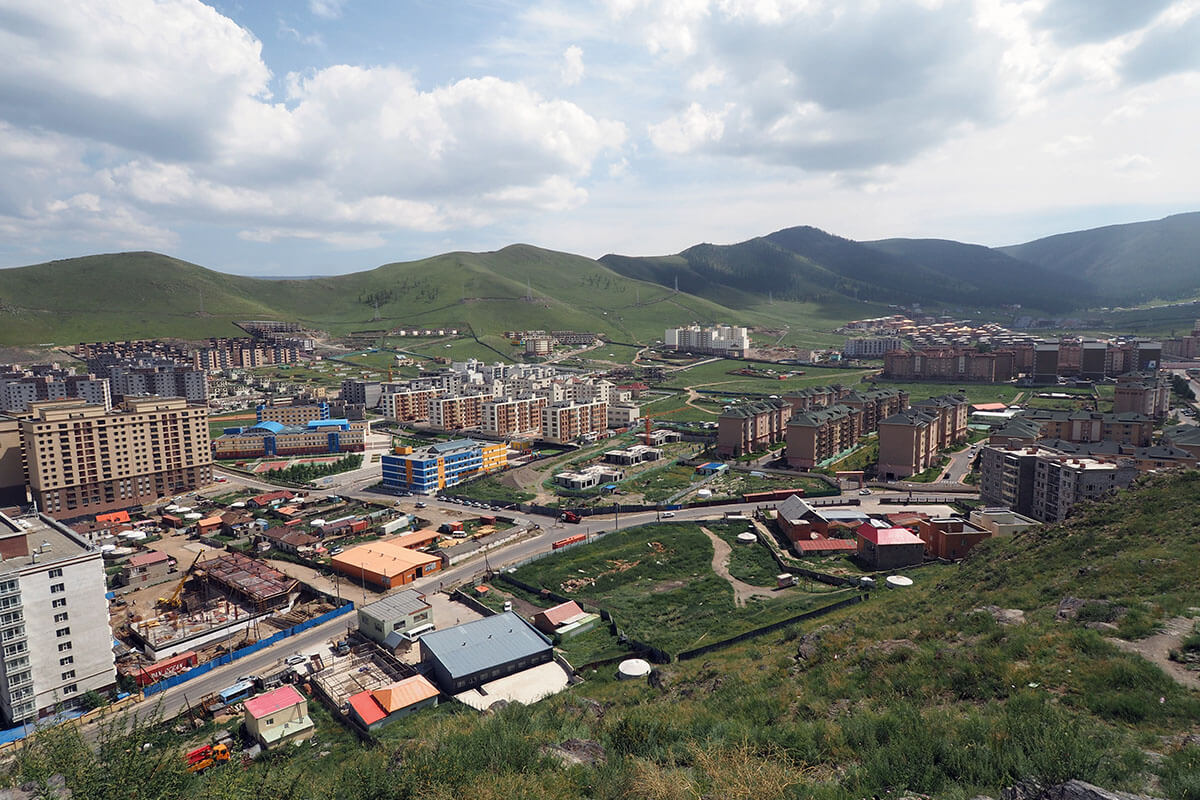
Today, we will arrive at Amarbayasgalant Monastery, located in a picturesque valley surrounded by majestic mountains. Second only to Erdene Zuu Monastery in significance, Amarbayasgalant is considered the most well-preserved architectural complex in Mongolia. Built in the 18th century by the Manchu emperor Yongzheng, the monastery is dedicated to the revered Mongolian Buddhist leader, Zanabazar.
Activities:
- Discover the serene Amarbayasgalant Monastery
Accommodation:
- Yurt B, L, D
Ulaanbaatar
Today, we will arrive at Amarbayasgalant Monastery, located in a picturesque valley surrounded by majestic mountains. Second only to Erdene Zuu Monastery in significance, Amarbayasgalant is considered the most well-preserved architectural complex in Mongolia. Built in the 18th century by the Manchu emperor Yongzheng, the monastery is dedicated to the revered Mongolian Buddhist leader, Zanabazar.
Activities:
- Discover the serene Amarbayasgalant Monastery
Accommodation:
- Yurt B, L, D
Similar Tours
Canoeing Orkhon Valley
- Moderate
- 15 days
- 13 / max
The Secret of Gobi Desert & the Winding Steppes of Mongolia
- Moderate
- 8 days
- 14 / max
Thousand Camel Festival in the Gobi Desert
- Moderate
- 7 days
- 14 / max
Khovsgol Ice Festival
- Moderate
- 5 days
- 14 / max
Winter national parks
- Moderate
- 3 days
- 14 / max
Naadam Festival
- Easy
- 2 days
- 14 / max
Cradle of Mongolian Civilization
- Moderate
- 5 days
- 14 / max
Horse Trek to Mongolia's Reindeer Nomads
- Moderate
- 12 days
- 14 / max
Gobi Desert Camel Expedition
- Moderate
- 10 days
- 14 / max
Camel Trek through Central Mongolian Grasslands
- Moderate
- 6 days
- 14 / max