Tour Highlights:
- Explore the Gobi Desert
- Visit Khongoryn Els sand dunes
- Discover Bayanzag, the Flaming Cliffs
- Hike Yolyn Am
- See dinosaur fossils
- Visit Ongi Monastery
- Explore Karakorum, the ancient capital of Mongolia
- Interact with nomadic families
- Discover Baga Gazriin Chuluu
- Visit Tsagaan Suvarga
- Explore Erdene Zuu Monastery
- Attend a folklore show with throat singers
2026 | ||
|---|---|---|
Guaranteed | 2026-06-15 | 2026-06-22 |
Guranteed | 2026-08-31 | 2026-09-07 |
Baga Gazriin Chuluu
Tsagaan Suvarga
Yolyn Am
Khongoryn Els
Bayanzag / Flaming Cliff
Ongiin monastery
Karakorum
Drive to Ulaanbaatar


Day To Day Itinerary

Your first destination lies 250 kilometers south in the stunning region of Baga Gazriin Chuluu, known for its striking granite formations rising from the sandy plains of central Mongolia.
Here, you'll explore the ruins of Delgeriin Choir Monastery and step inside a unique 12-walled Ger, beautifully carved and used by monks for chanting during the colder months. In the late afternoon, enjoy a scenic drive and hike through the towering granite hills and discover a peaceful valley hiding a small, picturesque monastery ruin. The area also features a spring believed to have healing properties for the eyes, cherished by locals for its natural remedy.
Activities:
- Explore the Choir Monastery
- Discover the stunning rock formation of Baga Gazar
- Visit the ruins of the solitary monk's monastery
Accommodation:
- Yurt stay L, D
Baga Gazriin Chuluu
Your first destination lies 250 kilometers south in the stunning region of Baga Gazriin Chuluu, known for its striking granite formations rising from the sandy plains of central Mongolia.
Here, you'll explore the ruins of Delgeriin Choir Monastery and step inside a unique 12-walled Ger, beautifully carved and used by monks for chanting during the colder months. In the late afternoon, enjoy a scenic drive and hike through the towering granite hills and discover a peaceful valley hiding a small, picturesque monastery ruin. The area also features a spring believed to have healing properties for the eyes, cherished by locals for its natural remedy.
Activities:
- Explore the Choir Monastery
- Discover the stunning rock formation of Baga Gazar
- Visit the ruins of the solitary monk's monastery
Accommodation:
- Yurt stay L, D
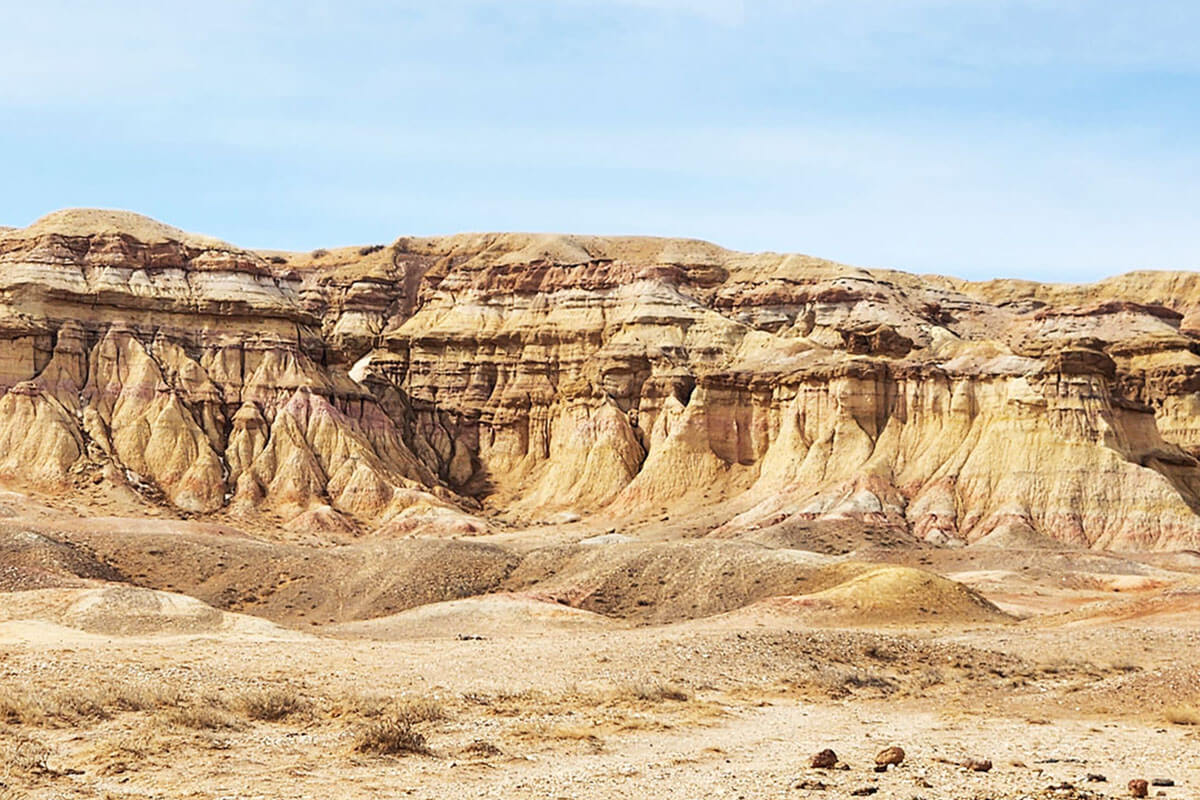
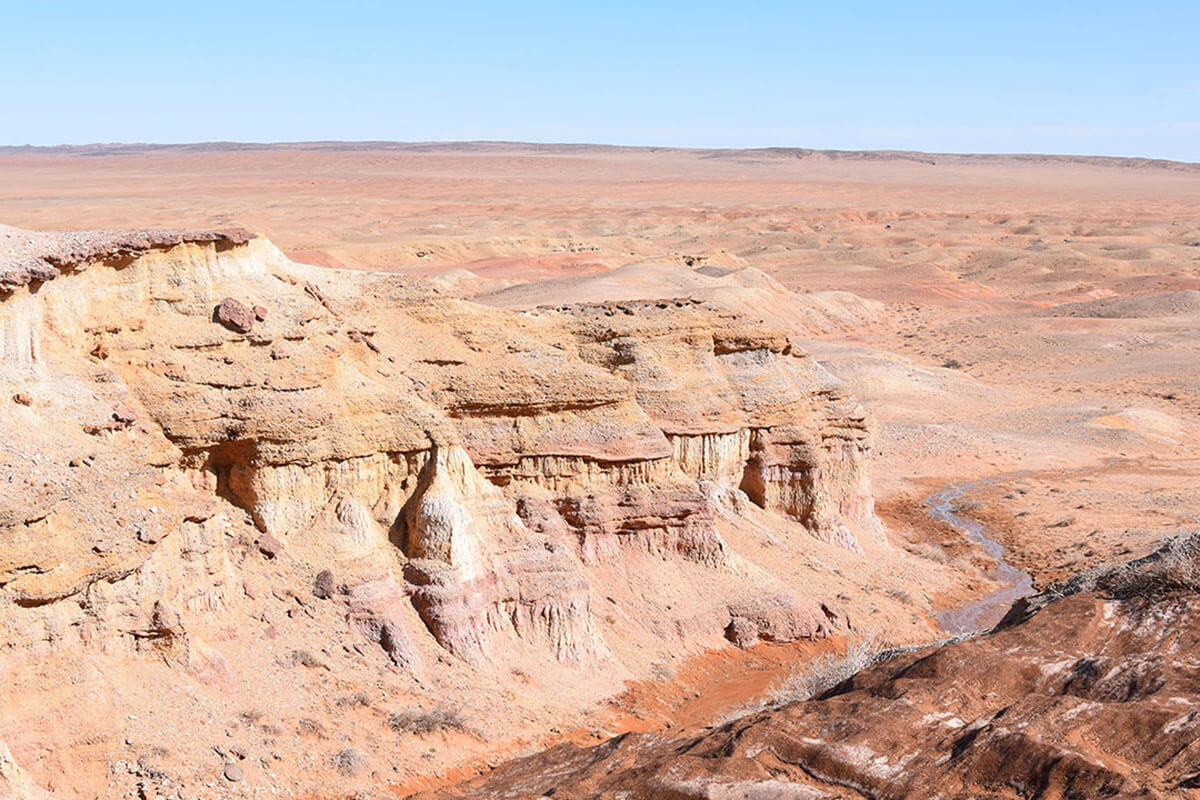
After breakfast, we’ll journey into the heart of the Gobi Desert, where the landscape dramatically shifts from green grasslands to stark, rugged terrain. By afternoon, we’ll reach Tsagaan Suvraga—an impressive 30-meter-high, 100-meter-wide cliff sculpted by wind over thousands of years.
From afar, it resembles the ruins of an ancient city, complete with weathered "structures." The area is rich in history, featuring petroglyphs of hunters, wild animals, and Turkic inscriptions carved into the rocks. A deep fissure slices through the terrain, revealing towering mud columns that evoke the jaws of a mythical beast. Some nearby caves even extend over 70 meters, with multiple chambers waiting to be explored.
Activities:
- Explore the majestic Tsagaan Suvarga cliffs
Accommodation:
- Yurt stay B, L, D
Tsagaan Suvarga
After breakfast, we’ll journey into the heart of the Gobi Desert, where the landscape dramatically shifts from green grasslands to stark, rugged terrain. By afternoon, we’ll reach Tsagaan Suvraga—an impressive 30-meter-high, 100-meter-wide cliff sculpted by wind over thousands of years.
From afar, it resembles the ruins of an ancient city, complete with weathered "structures." The area is rich in history, featuring petroglyphs of hunters, wild animals, and Turkic inscriptions carved into the rocks. A deep fissure slices through the terrain, revealing towering mud columns that evoke the jaws of a mythical beast. Some nearby caves even extend over 70 meters, with multiple chambers waiting to be explored.
Activities:
- Explore the majestic Tsagaan Suvarga cliffs
Accommodation:
- Yurt stay B, L, D
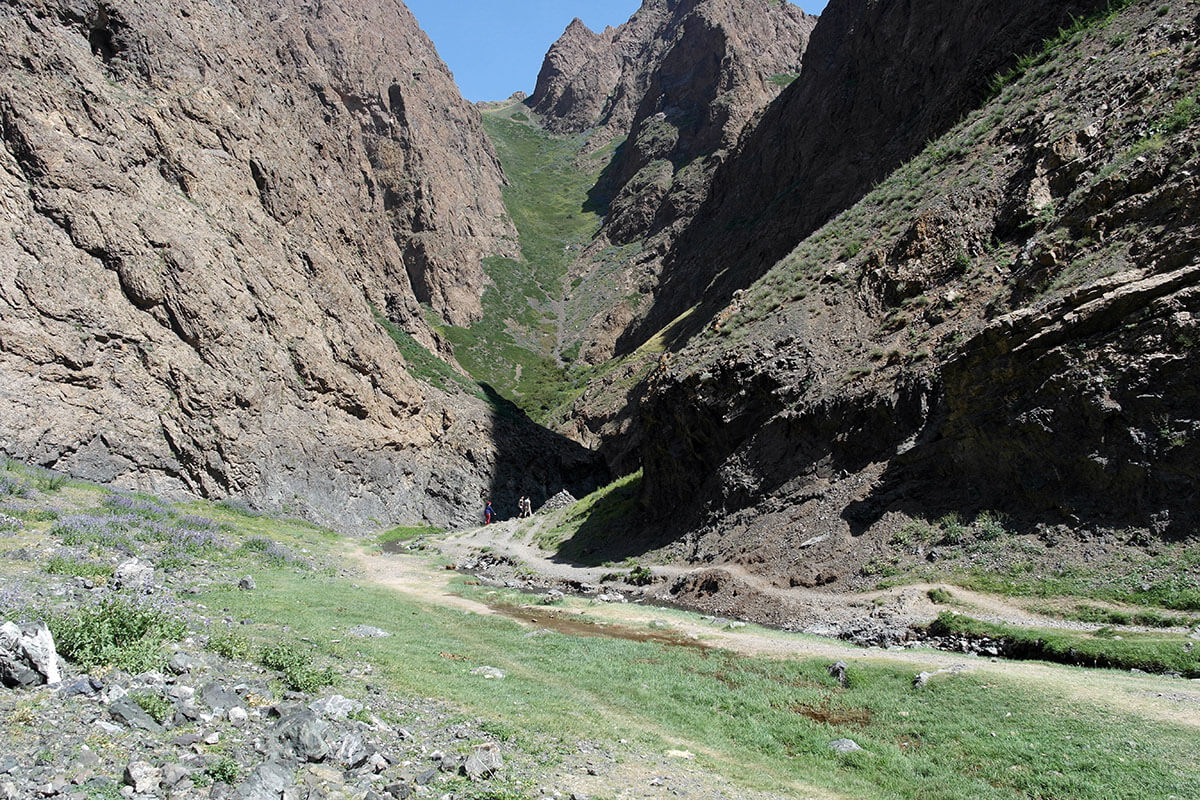
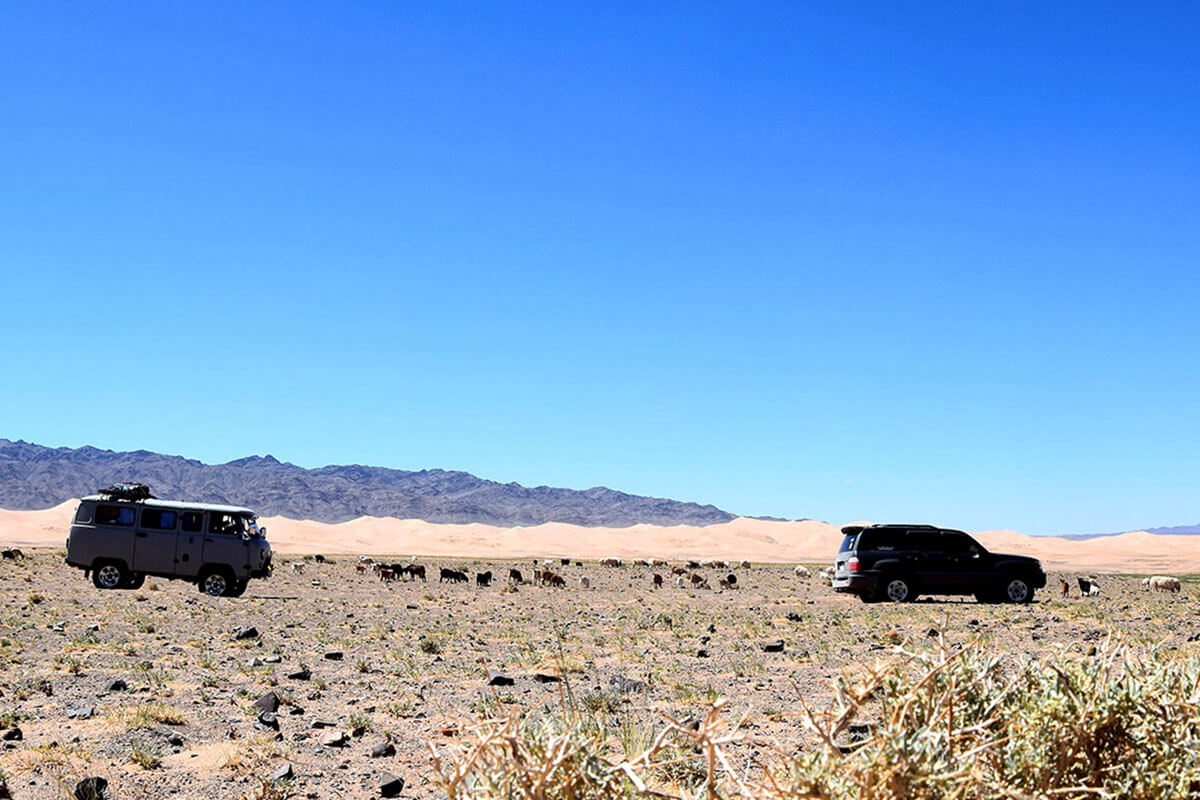
Today, we’ll head to Dalanzadgad, the main town in South Gobi province. As we travel, you’ll witness the vastness of the Gobi Desert—Asia’s largest and the world’s fifth largest desert—spanning 1,610 km by 800 km. Unlike typical deserts, much of the Gobi is covered in bare rock rather than sand.
The Gobi is a high-altitude cold desert, with temperatures ranging from –40°C in winter to +50°C in summer. It receives minimal rainfall, and in winter, snow from the Siberian Steppes brings extra moisture to the region.
Our journey will take us through the dramatic gorges of the Altai Mountains to Yolyn Am in Gobi Gurvansaikhan National Park. These lush, narrow valleys were shaped by ancient rivers and are home to wildlife such as Argali sheep, Ibex, desert gazelles, and soaring Golden Eagles.
Activities:
- Visit small museum of the park
- Explore Yolyn am gorge
- Hike through the gorge
Accommodation:
- Yurt stay B, L, D
Yolyn Am
Today, we’ll head to Dalanzadgad, the main town in South Gobi province. As we travel, you’ll witness the vastness of the Gobi Desert—Asia’s largest and the world’s fifth largest desert—spanning 1,610 km by 800 km. Unlike typical deserts, much of the Gobi is covered in bare rock rather than sand.
The Gobi is a high-altitude cold desert, with temperatures ranging from –40°C in winter to +50°C in summer. It receives minimal rainfall, and in winter, snow from the Siberian Steppes brings extra moisture to the region.
Our journey will take us through the dramatic gorges of the Altai Mountains to Yolyn Am in Gobi Gurvansaikhan National Park. These lush, narrow valleys were shaped by ancient rivers and are home to wildlife such as Argali sheep, Ibex, desert gazelles, and soaring Golden Eagles.
Activities:
- Visit small museum of the park
- Explore Yolyn am gorge
- Hike through the gorge
Accommodation:
- Yurt stay B, L, D
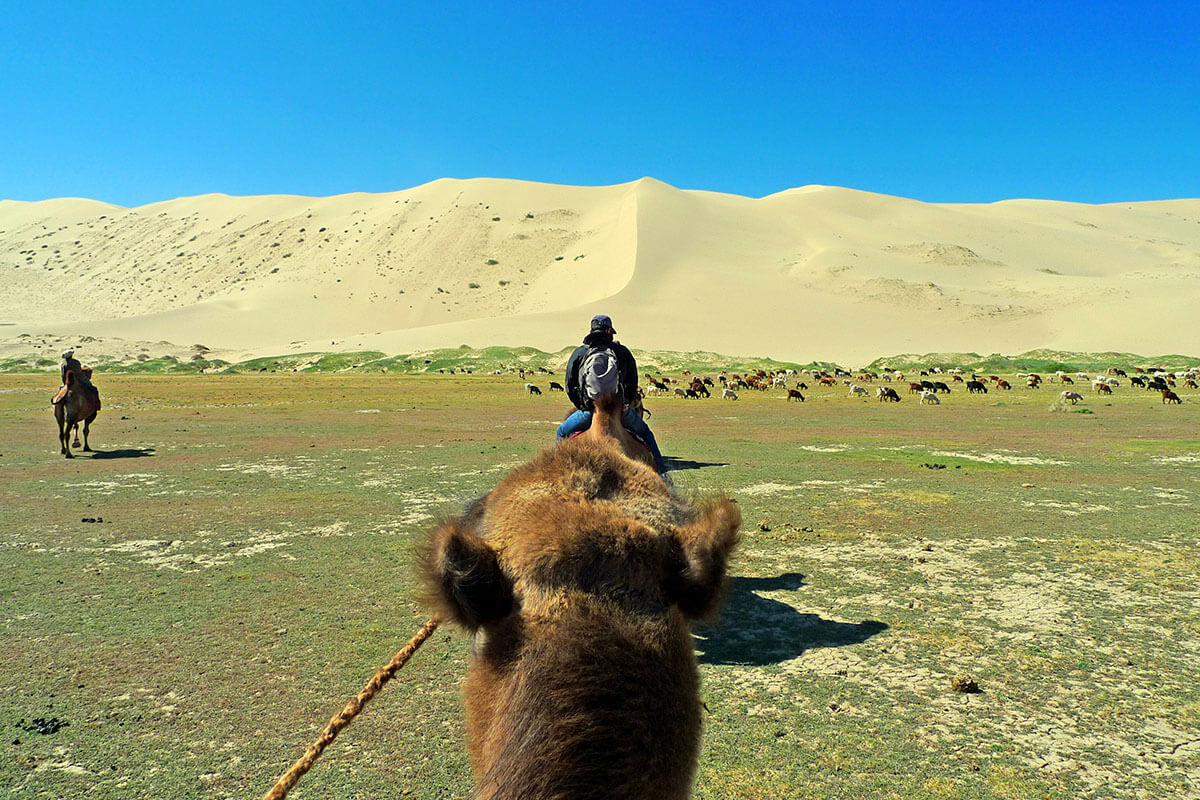
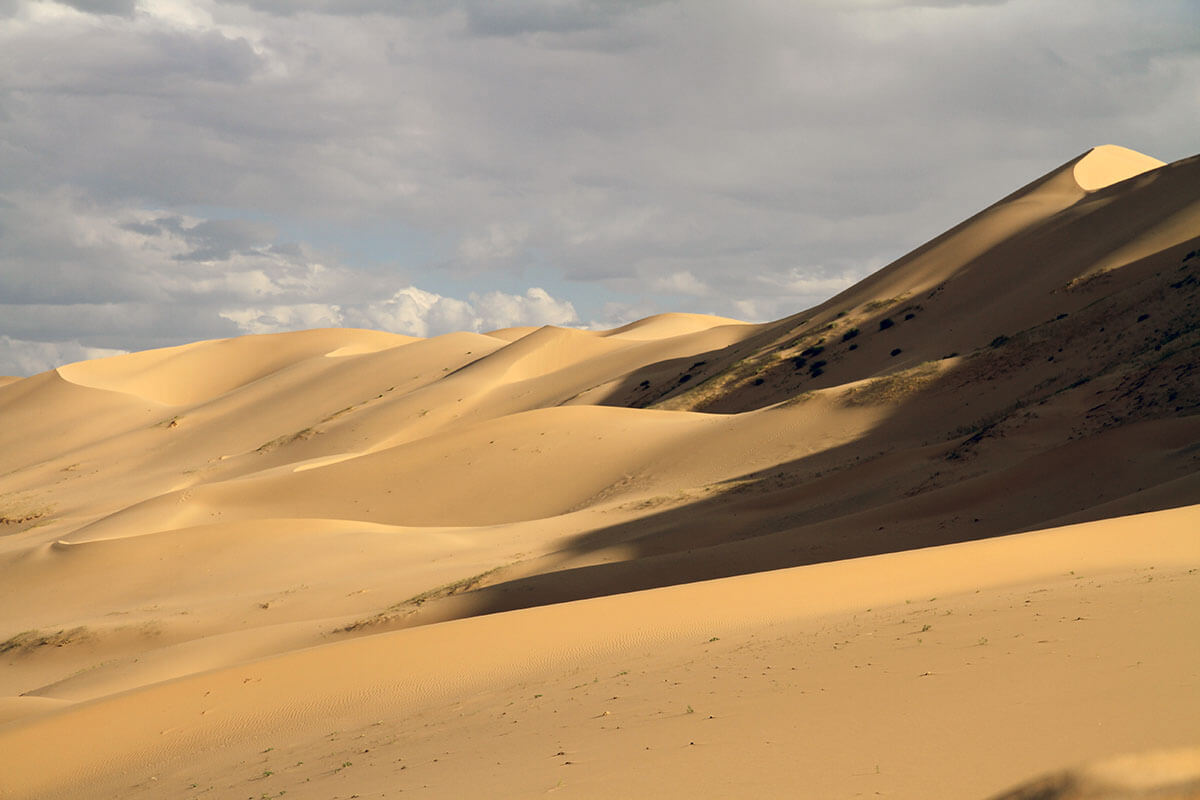
After breakfast, we’ll drive 180 km west to Khongoryn Els, home to Mongolia’s tallest sand dunes—rising up to 275 meters and stretching over 100 km. Shaped by the wind, these golden dunes ripple like frozen waves, backed by the dark, rugged slopes of Sevrey Mountain.
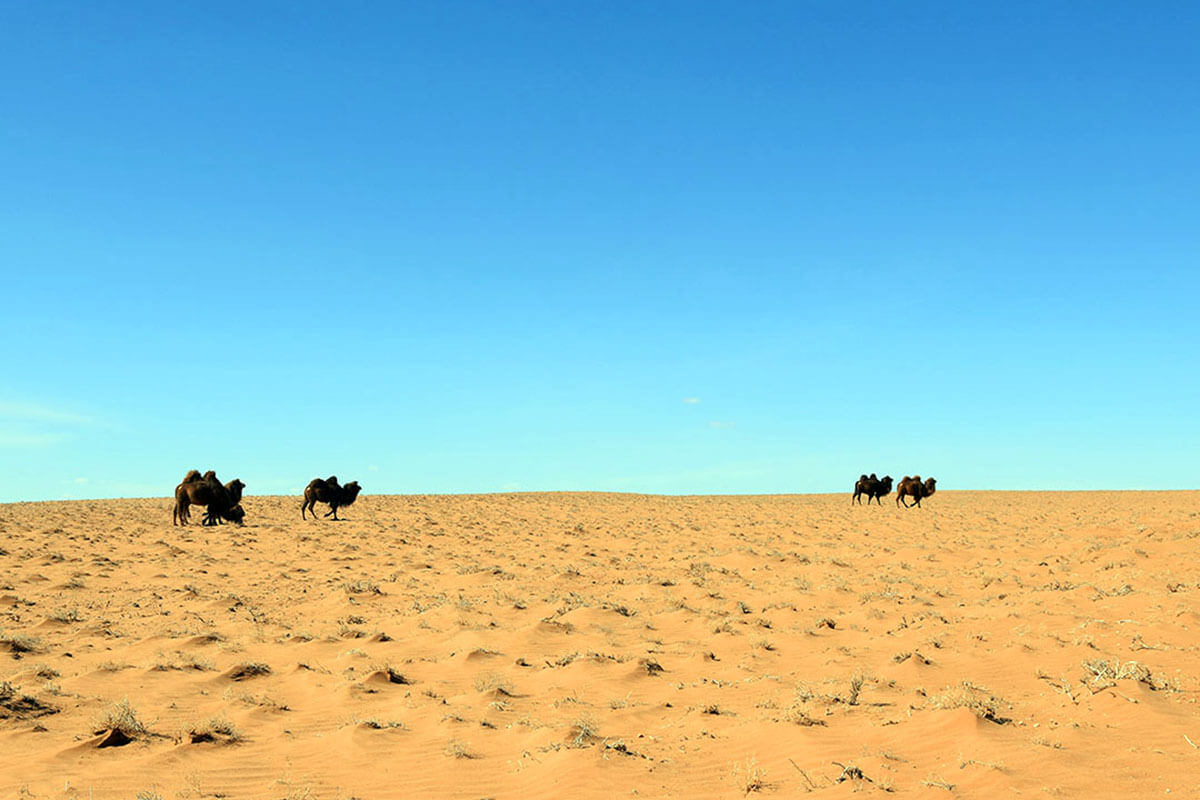
The Gobi, the world’s coldest desert, is a land of extremes where fierce winds sweep across vast plains. Life here is tough, and the nomads who call it home are known for their resilience. We’ll visit camel-herding families and gain insight into their remarkable way of life—marked by hard work, humility, and a deep bond with the land.
Activities:
- Discover the breath-taking Khongoryn Els Sand Dunes
- Optional hike to the highest dune for panoramic desert views
- Visit a local camel-herding family and experience nomadic life first-hand
Accommodation:
- Yurt stay B, L, D
Khongoryn Els
After breakfast, we’ll drive 180 km west to Khongoryn Els, home to Mongolia’s tallest sand dunes—rising up to 275 meters and stretching over 100 km. Shaped by the wind, these golden dunes ripple like frozen waves, backed by the dark, rugged slopes of Sevrey Mountain.
The Gobi, the world’s coldest desert, is a land of extremes where fierce winds sweep across vast plains. Life here is tough, and the nomads who call it home are known for their resilience. We’ll visit camel-herding families and gain insight into their remarkable way of life—marked by hard work, humility, and a deep bond with the land.
Activities:
- Discover the breath-taking Khongoryn Els Sand Dunes
- Optional hike to the highest dune for panoramic desert views
- Visit a local camel-herding family and experience nomadic life first-hand
Accommodation:
- Yurt stay B, L, D
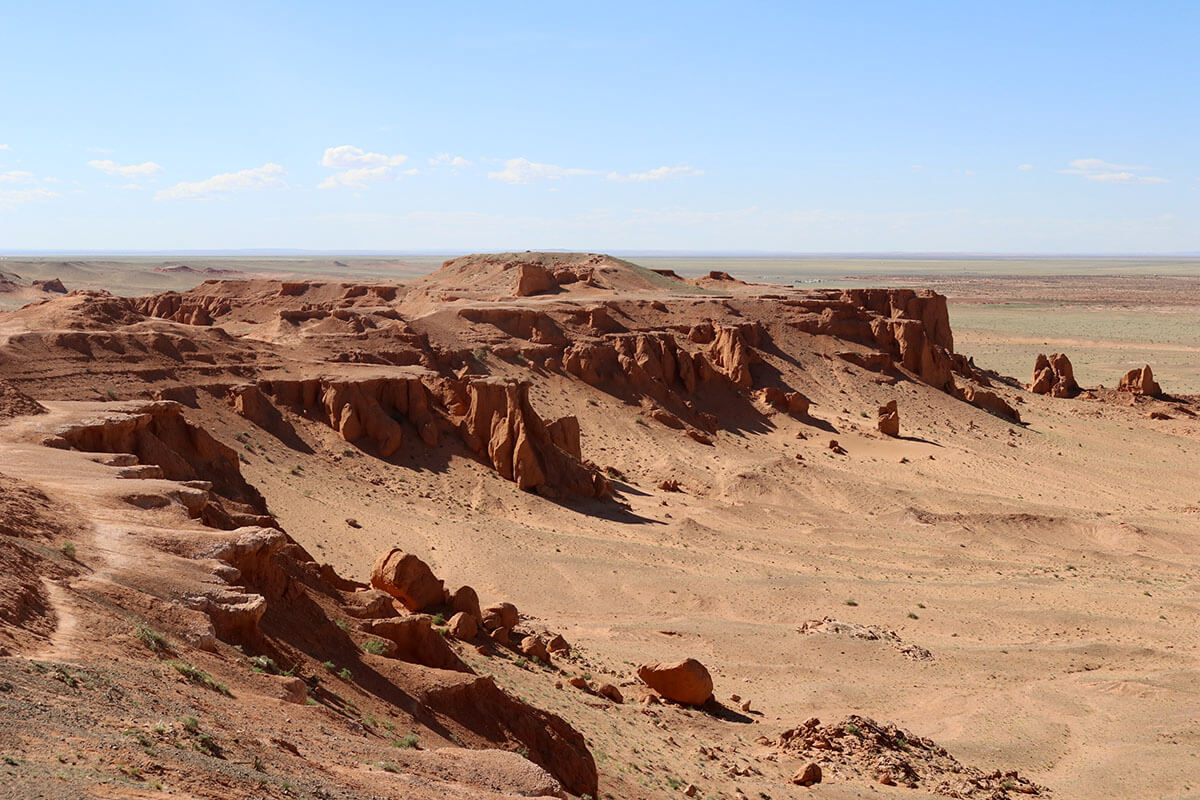
Today, we’ll travel to Bayanzag, famously known as the "Flaming Cliffs." This iconic site is where renowned paleontologist Roy Chapman Andrews unearthed the first dinosaur bones and eggs. The landscape is striking, with fiery red cliffs, rugged rock formations, and patches of greenery. We’ll explore the area on foot, visit the local museum, and delve into the fascinating history of early 20th-century discoveries and expeditions.
Activities:
- Explore the Bayanzag cliffs, famous for the discovery of dinosaur skeletons and eggs
Accommodation:
- Yurt stay B, L, D
Bayanzag / Flaming Cliff
Today, we’ll travel to Bayanzag, famously known as the "Flaming Cliffs." This iconic site is where renowned paleontologist Roy Chapman Andrews unearthed the first dinosaur bones and eggs. The landscape is striking, with fiery red cliffs, rugged rock formations, and patches of greenery. We’ll explore the area on foot, visit the local museum, and delve into the fascinating history of early 20th-century discoveries and expeditions.
Activities:
- Explore the Bayanzag cliffs, famous for the discovery of dinosaur skeletons and eggs
Accommodation:
- Yurt stay B, L, D
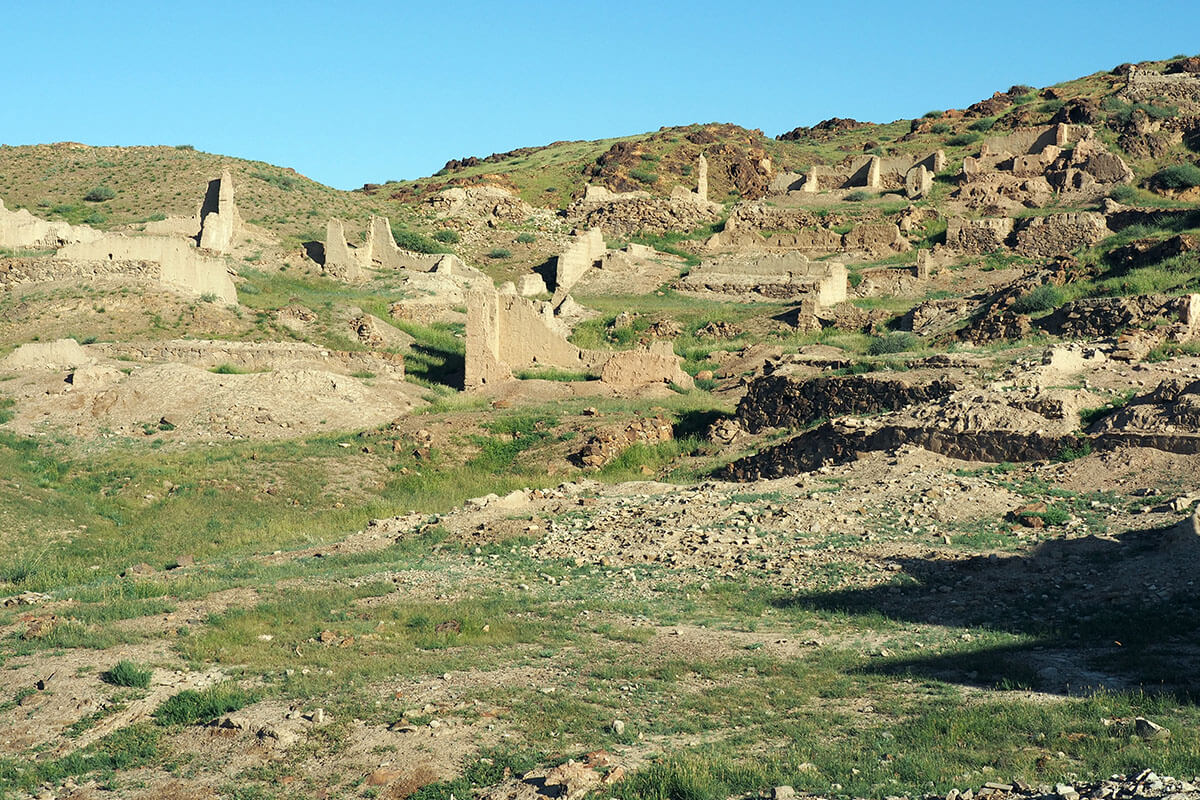
Today, you’ll visit the historic Ongi Monastery, nestled along the Ongi River in northwest Mongolia, with the serene Delger Khangai Mountains as a backdrop. You’ll explore the southern complex, which once held 11 temples and various administrative buildings, and the northern complex, founded in the 18th century, which included 17 temples and four Buddhist universities. Originally built in the 17th century, the monasteries were destroyed in 1937 and once housed over 1,000 monks. Today, a small monastery has been rebuilt among the ruins, and artifacts are displayed in the nearby Ger Museum.
Activities:
- Explore the remnants of the Ongi Monastery
Accommodation:
- Yurt stay B, L, D
Ongiin monastery
Today, you’ll visit the historic Ongi Monastery, nestled along the Ongi River in northwest Mongolia, with the serene Delger Khangai Mountains as a backdrop. You’ll explore the southern complex, which once held 11 temples and various administrative buildings, and the northern complex, founded in the 18th century, which included 17 temples and four Buddhist universities. Originally built in the 17th century, the monasteries were destroyed in 1937 and once housed over 1,000 monks. Today, a small monastery has been rebuilt among the ruins, and artifacts are displayed in the nearby Ger Museum.
Activities:
- Explore the remnants of the Ongi Monastery
Accommodation:
- Yurt stay B, L, D

Today, we journey to Karakorum, the 13th-century capital of Genghis Khan’s Mongol Empire. Founded in 1220 in the Orkhon Valley, the city flourished under Ögedei Khan and became a vibrant center of politics, trade, and culture, known for its diversity. The famed silver tree from Möngke Khan’s palace symbolized its grandeur. Karakorum lost its capital status when Kublai Khan moved the seat to Beijing in 1260, becoming a lesser administrative hub until it was destroyed by Ming troops in 1388. Later, in 1588, Erdene Zuu Monastery was established on the ruins, initiated by Abtai Sain Khan with guidance from the 3rd Dalai Lama. Once home to over 1,000 lamas and 100 temples, the monastery now preserves three main temples—Dalai Lama, Zuu of Buddha, and Lavrin—within its ancient walls.
You’ll also explore the Karakorum Archaeological Museum, a compact yet rich collection of artifacts from the 13th–14th centuries and earlier, including tools, coins, sculptures, and inscriptions. Highlights include a kiln set into the floor, a model of the city based on William of Rubruck’s writings, and a Turkic noble’s tomb with paintings and treasures.
To round out the visit, you can see the famous Turtle Rock and Phallic Rock and browse a small market featuring local artists' crafts.
Activities:
- Explore the Erdene Zuu monastery
- Discover the Karakorum Archaeological Museum
Accommodation:
- Yurt stay B, L, D
Karakorum
Today, we journey to Karakorum, the 13th-century capital of Genghis Khan’s Mongol Empire. Founded in 1220 in the Orkhon Valley, the city flourished under Ögedei Khan and became a vibrant center of politics, trade, and culture, known for its diversity. The famed silver tree from Möngke Khan’s palace symbolized its grandeur. Karakorum lost its capital status when Kublai Khan moved the seat to Beijing in 1260, becoming a lesser administrative hub until it was destroyed by Ming troops in 1388. Later, in 1588, Erdene Zuu Monastery was established on the ruins, initiated by Abtai Sain Khan with guidance from the 3rd Dalai Lama. Once home to over 1,000 lamas and 100 temples, the monastery now preserves three main temples—Dalai Lama, Zuu of Buddha, and Lavrin—within its ancient walls.
You’ll also explore the Karakorum Archaeological Museum, a compact yet rich collection of artifacts from the 13th–14th centuries and earlier, including tools, coins, sculptures, and inscriptions. Highlights include a kiln set into the floor, a model of the city based on William of Rubruck’s writings, and a Turkic noble’s tomb with paintings and treasures.
To round out the visit, you can see the famous Turtle Rock and Phallic Rock and browse a small market featuring local artists' crafts.
Activities:
- Explore the Erdene Zuu monastery
- Discover the Karakorum Archaeological Museum
Accommodation:
- Yurt stay B, L, D
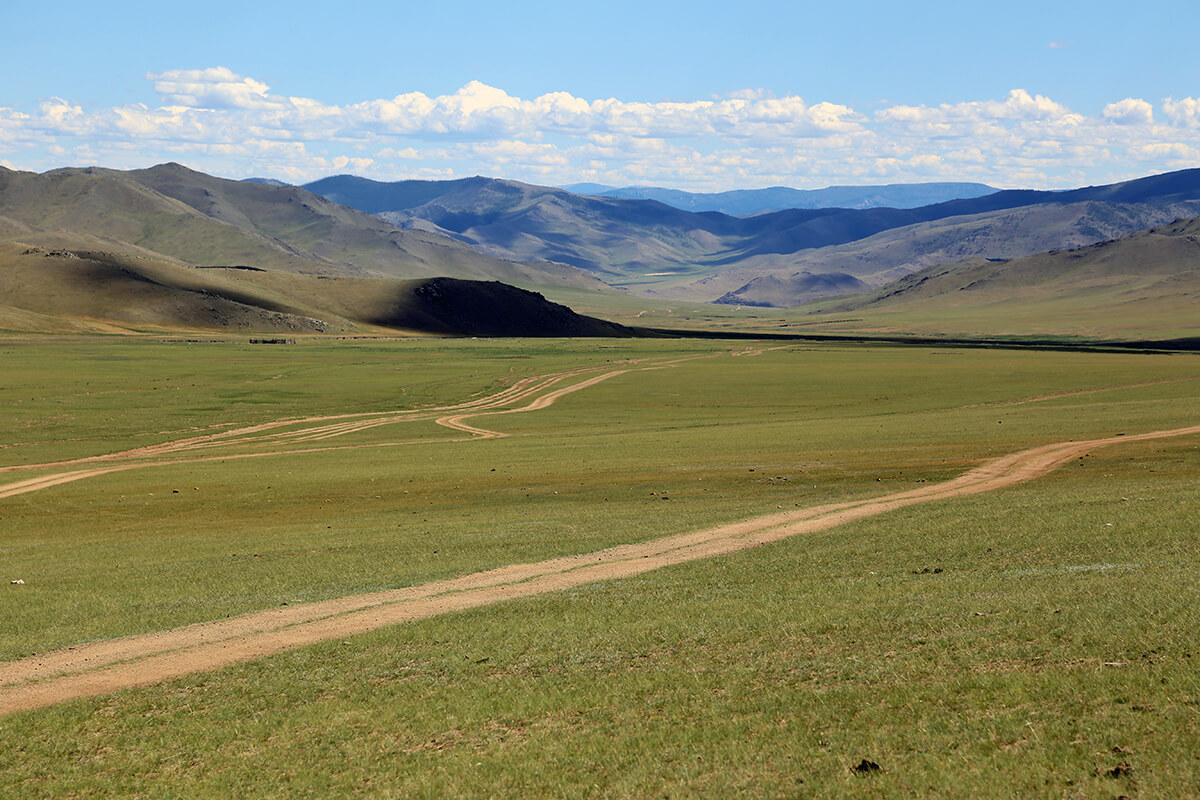
It’s time to depart and head back to Ulaanbaatar, the capital of Mongolia. The afternoon is yours to explore at your leisure. Later, you’ll enjoy a mesmerizing cultural performance, featuring skilled contortionists, powerful throat singers, and vibrant traditional dances that capture the essence of Mongolia’s rich cultural heritage.
Activities:
- Attend folklore show with throat singers
- Shop for souvenir or cashmere
Accommodation:
- Yurt stay B, L, D
Drive to Ulaanbaatar
It’s time to depart and head back to Ulaanbaatar, the capital of Mongolia. The afternoon is yours to explore at your leisure. Later, you’ll enjoy a mesmerizing cultural performance, featuring skilled contortionists, powerful throat singers, and vibrant traditional dances that capture the essence of Mongolia’s rich cultural heritage.
Activities:
- Attend folklore show with throat singers
- Shop for souvenir or cashmere
Accommodation:
- Yurt stay B, L, D
Similar Tours
Canoeing Orkhon Valley
- Moderate
- 15 days
- 13 / max
Big Loop
- Moderate
- 17 days
- 14 / max
The Secret of Gobi Desert & the Winding Steppes of Mongolia
- Moderate
- 8 days
- 14 / max
Thousand Camel Festival in the Gobi Desert
- Moderate
- 7 days
- 14 / max
Winter national parks
- Moderate
- 3 days
- 14 / max
Naadam Festival
- Easy
- 2 days
- 14 / max
Cradle of Mongolian Civilization
- Moderate
- 5 days
- 14 / max
Gobi Desert Camel Expedition
- Moderate
- 10 days
- 14 / max
Camel Trek through Central Mongolian Grasslands
- Moderate
- 6 days
- 14 / max
Treasure of Northern Gobi Desert
- Moderate
- 7 days
- 13 / max