Winter Wonderland Experience
Tour Highlights:
•Experience the magic of the Mongolian winter
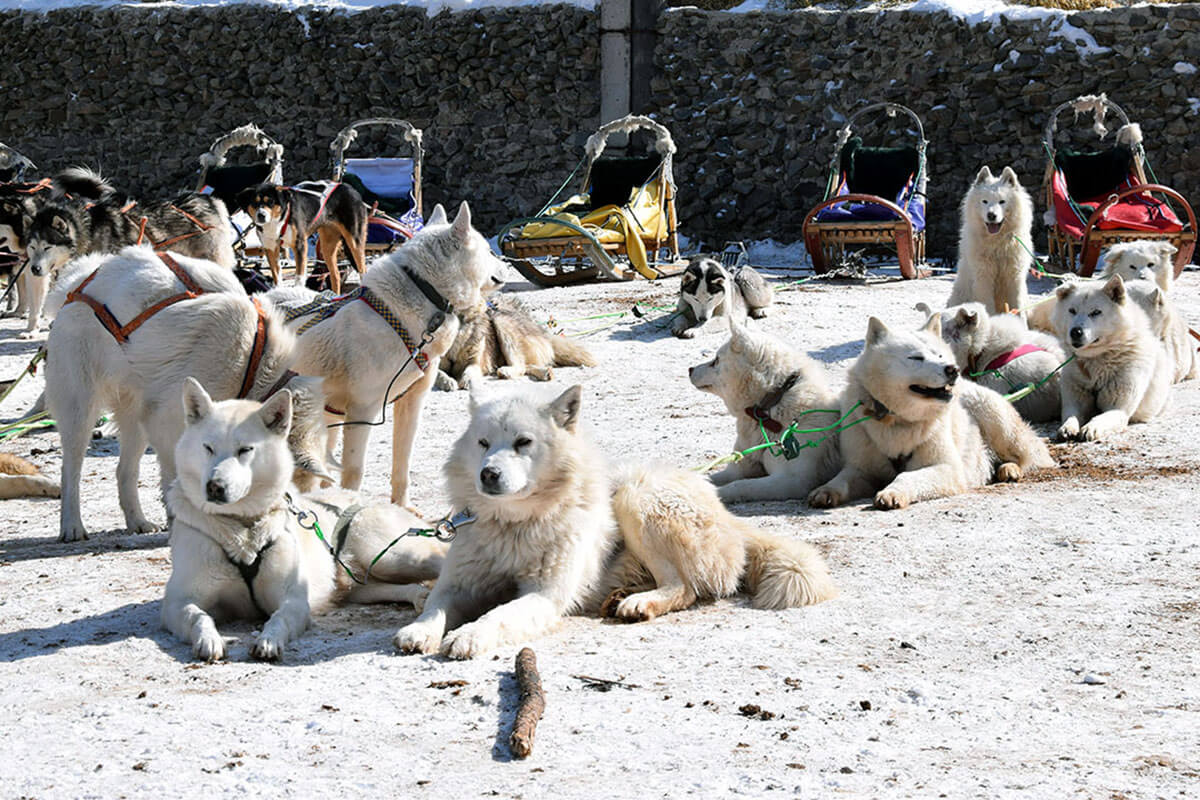
•Experience the thrill of dog sledding on a frozen river
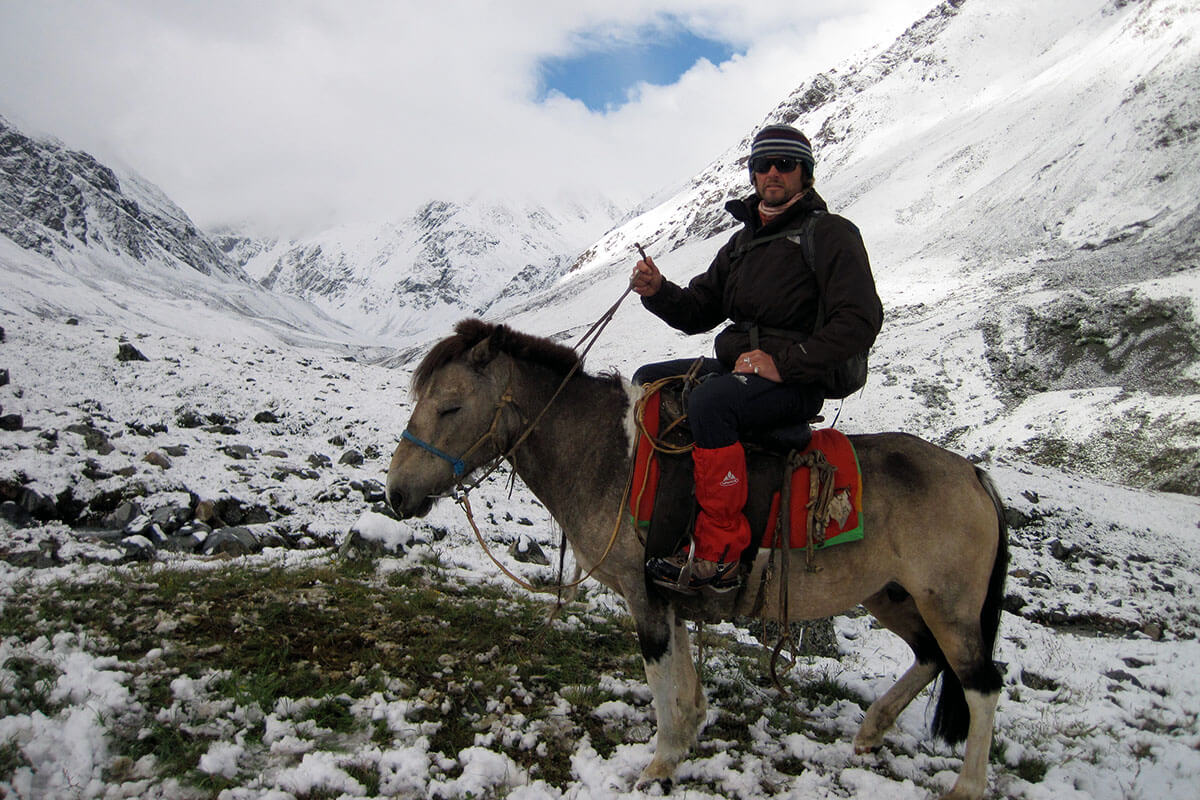
•Enjoy a horse trek through picturesque, snow-laden valleys
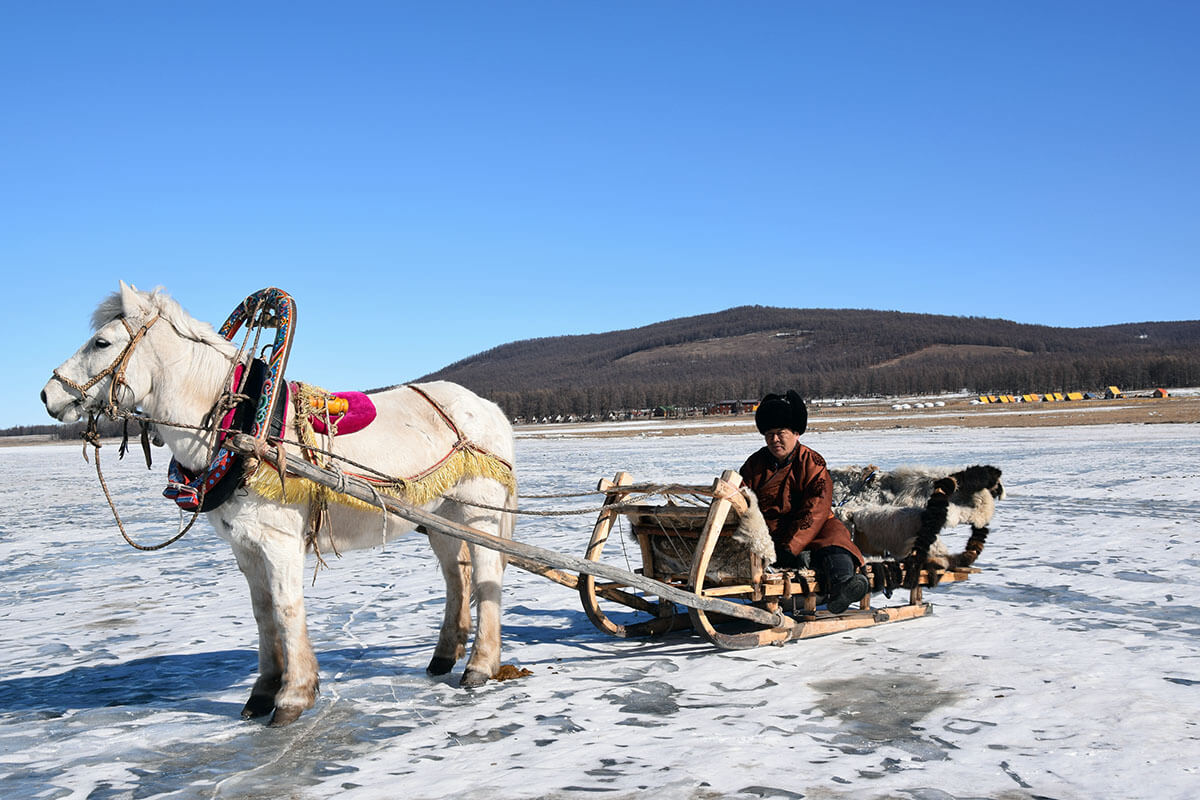
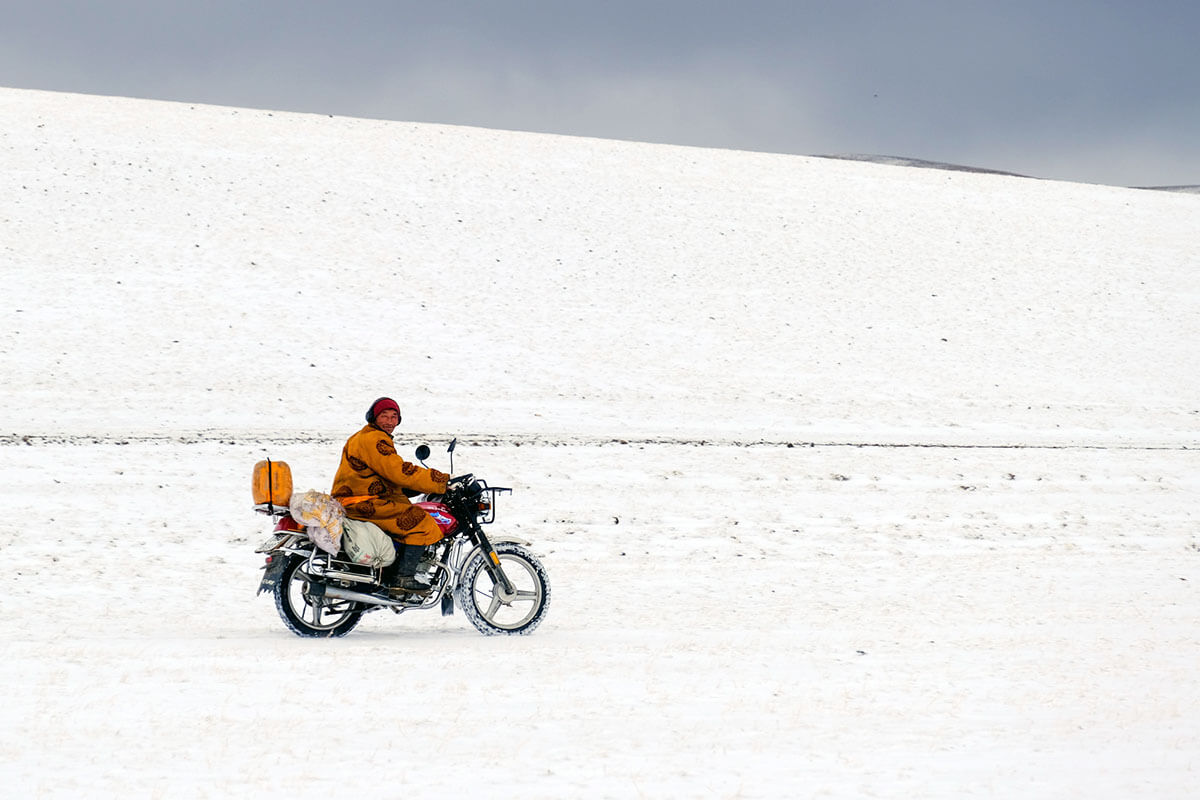
•Ride with nomadic herders
•Stay in a cozy Ger (Yurt)
•Spot rare winter wildlife
•Feast on hearty Mongolian cuisine
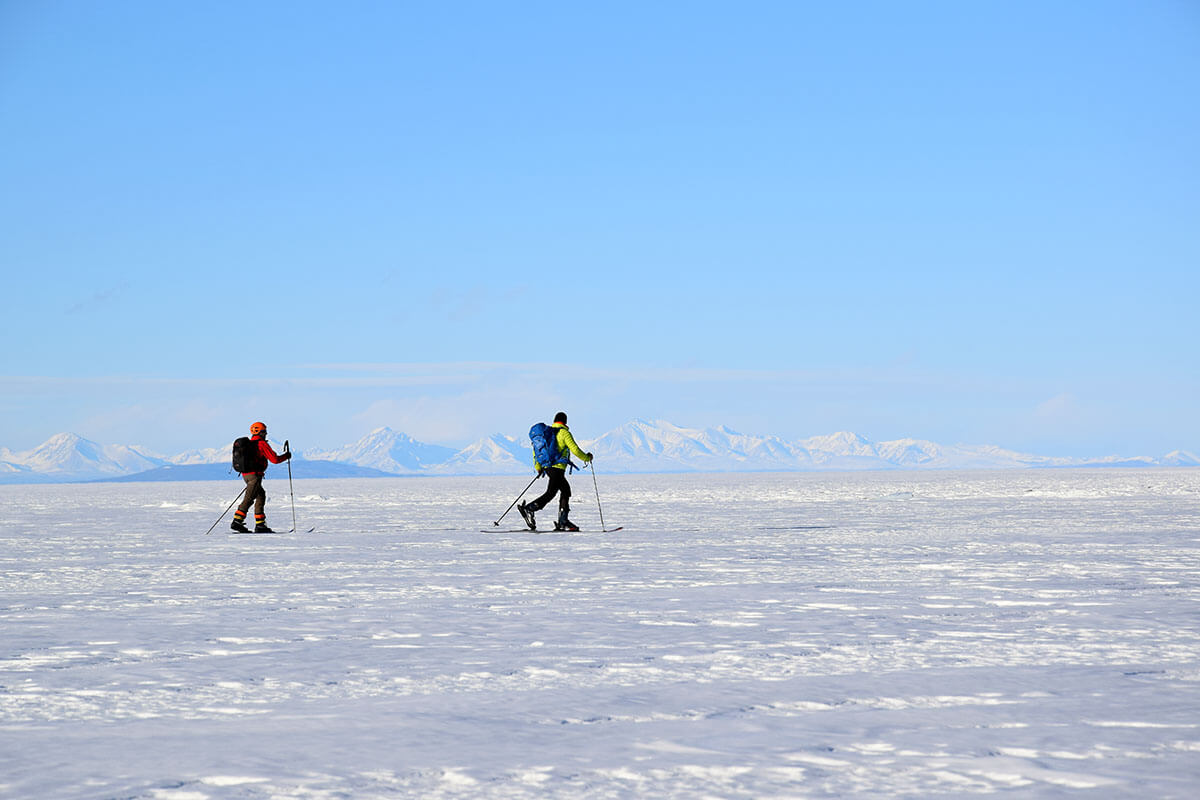
•Glide through pristine wilderness
•Connect with nomadic tradition
•Incredible photo opportunities
Genghis Khan Statue & Gorkhi-Terelj National Park
Karakorum
Orkhon valley & waterfall
Tovkhon Khiid
Khogno Khan Mountains and Elsen Tasarkhai
Khustain Nuruu National Park
Drive back to Ulaanbaatar
Day To Day Itinerary
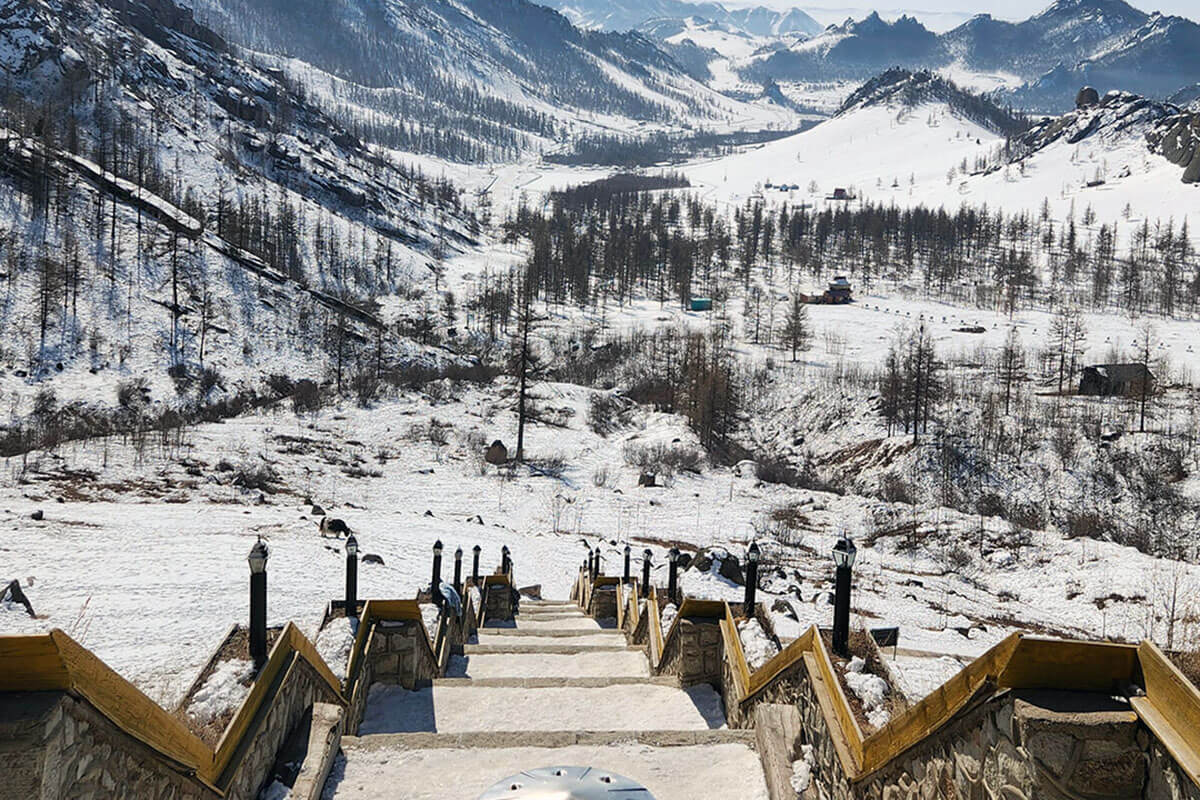
Our adventure begins with a visit to the Genghis Khan Monument, a towering aluminum statue of the legendary leader on horseback. You can climb to the top for sweeping panoramic views of the surrounding landscape. Nearby, a museum offers fascinating insights into the Great Mongol Empire, showcasing the legacy of the Khans and their historic conquests. Next, we’ll stop at Turtle Rock and the peaceful Aryaval Monastery, a tranquil meditation retreat nestled at the base of a mountain—perfect for hiking, climbing, or horseback riding.
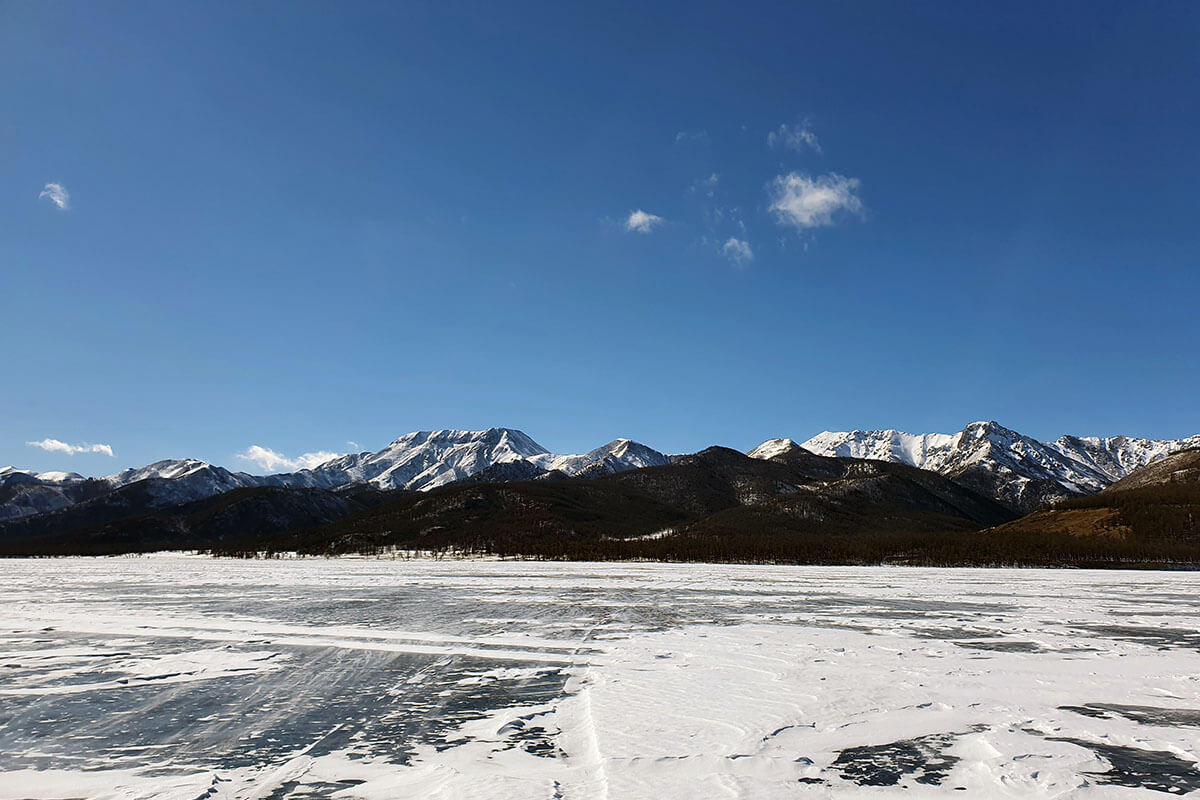
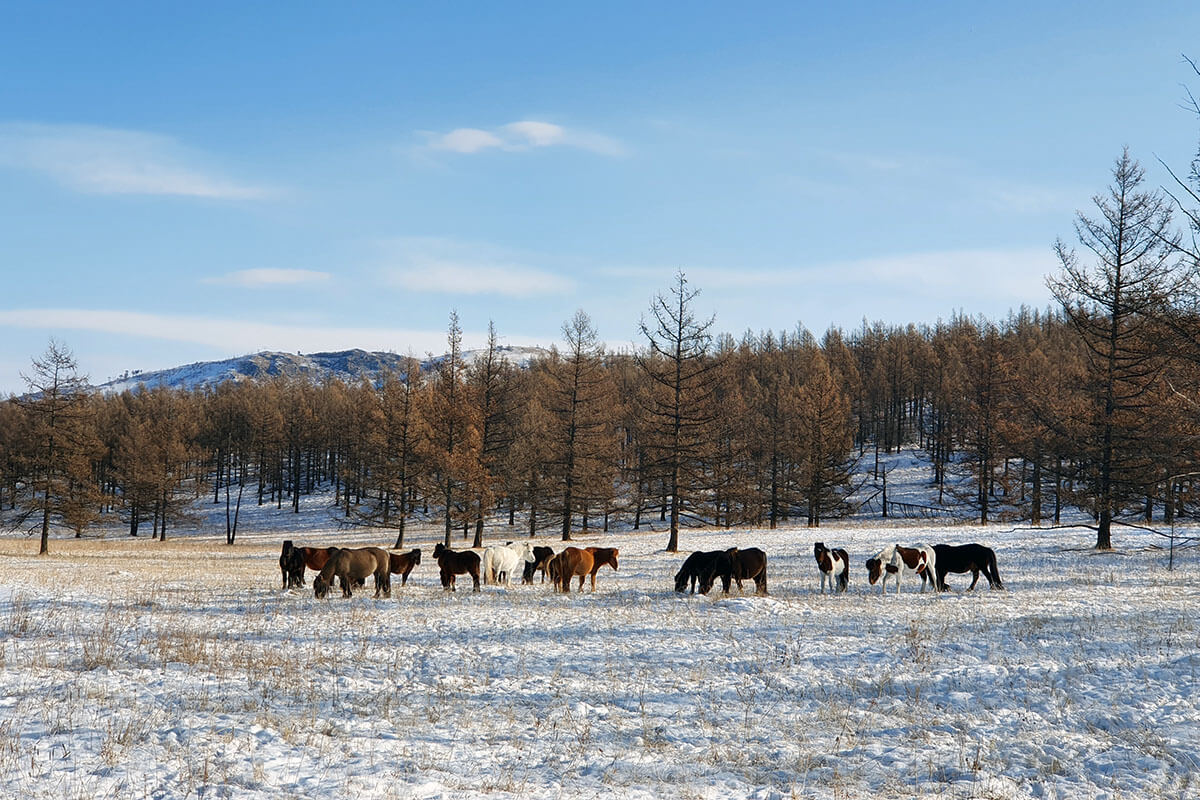
Then comes a true winter thrill: dog sledding across a shimmering frozen river. Though a more recent addition to Mongolian culture, it has quickly become a beloved winter activity. You'll glide through a magical, snow-covered landscape for about two hours, pausing halfway to enjoy the scenery, snap photos, and bond with the dogs. Before the ride, there’ll be time to meet the sled team and take pictures. Later in the day, we’ll continue our winter exploration on horseback, taking in more of the stunning frosty scenery.
- Explore the Genghis khan statue
- Discover the Aryapal monastery
- Check out Turtle rock
- Horseback riding
- Dog sledding
Genghis Khan Statue & Gorkhi-Terelj National Park
Our adventure begins with a visit to the Genghis Khan Monument, a towering aluminum statue of the legendary leader on horseback. You can climb to the top for sweeping panoramic views of the surrounding landscape. Nearby, a museum offers fascinating insights into the Great Mongol Empire, showcasing the legacy of the Khans and their historic conquests. Next, we’ll stop at Turtle Rock and the peaceful Aryaval Monastery, a tranquil meditation retreat nestled at the base of a mountain—perfect for hiking, climbing, or horseback riding.
Then comes a true winter thrill: dog sledding across a shimmering frozen river. Though a more recent addition to Mongolian culture, it has quickly become a beloved winter activity. You'll glide through a magical, snow-covered landscape for about two hours, pausing halfway to enjoy the scenery, snap photos, and bond with the dogs. Before the ride, there’ll be time to meet the sled team and take pictures. Later in the day, we’ll continue our winter exploration on horseback, taking in more of the stunning frosty scenery.
- Explore the Genghis khan statue
- Discover the Aryapal monastery
- Check out Turtle rock
- Horseback riding
- Dog sledding
Today, we explore Karakorum, the capital of Genghis Khan's Mongolian Empire in the 13th century. Established in 1220 on the ruins of Turug and Uigur cities in the Orkhon Valley, it was completed 15 years later under Ugedei Khan, known for its multiculturalism. The silver tree from Möngke Khan’s palace became a symbol of the city, which thrived from 1220 to 1260 as a political, trade, and cultural hub.
However, from 1260 to 1380, it lost its capital status when Kublai Khan moved the capital to Beijing, reducing Karakorum to an administrative center in the Yuan Dynasty.
After the Mongolian Yuan Dynasty collapsed in 1368, the government returned to Mongolia, allowing Karakorum to regain some significance. However, in 1388, Ming troops destroyed the town, leaving no trace of it. In 1580, Abtai Sain Khan and Lord Tumenkhen sought the 3rd Dalai Lama's counsel on building a temple, leading to the restoration of the Main Zuu temple in Erdene Zuu monastery in 1588.
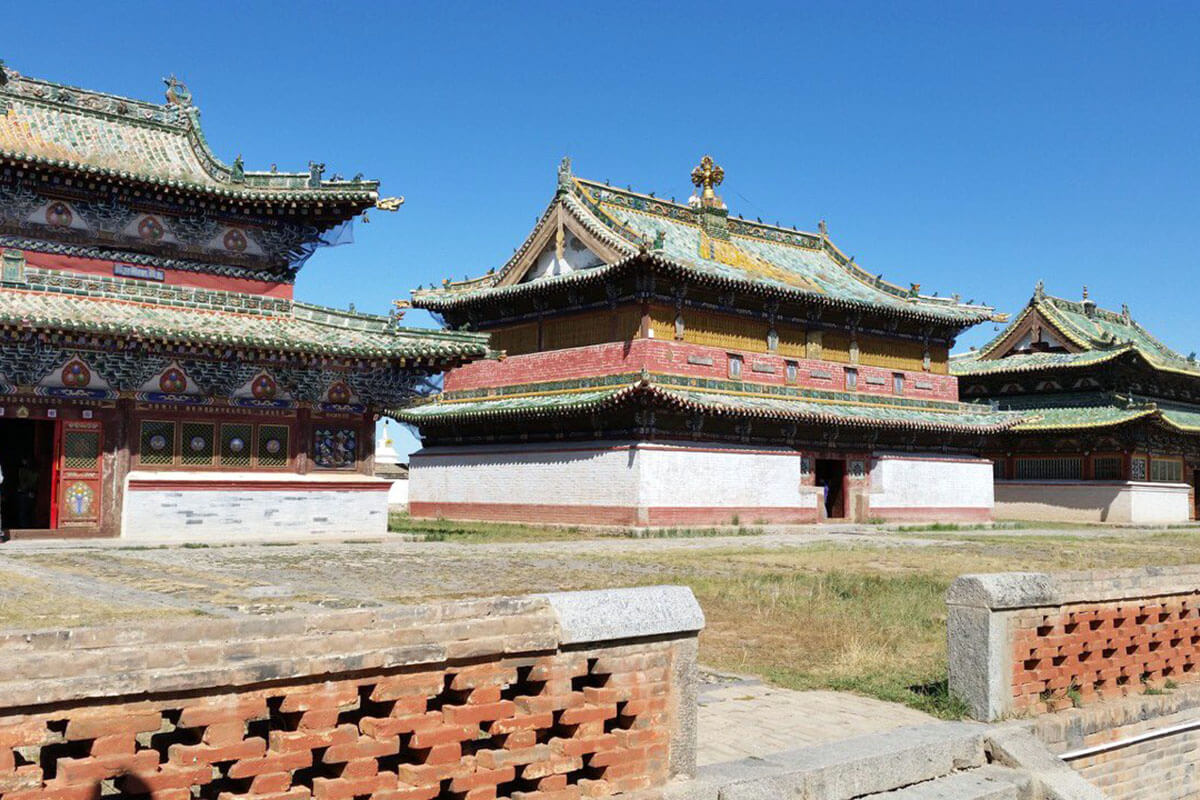
Erdene Zuu Monastery, once a large complex with 100 temples and over 1,000 lamas, now comprises three remaining temples: Dalai Lama, Zuu of Buddha, and Lavrin Temple, all within 400 m X 400 m walls. Visitors can explore the monastery grounds.
The Karakorum Archaeological Museum, though small, features a well-designed space with good lighting and clear English labels. It showcases hundreds of artifacts from the 13th and 14th centuries, as well as prehistoric tools, pottery, bronzes, coins, religious sculptures, and stone inscriptions from various archaeological sites.
A half-excavated kiln is set into the museum floor, alongside a scale model of ancient Karakorum from the 1250s, inspired by William of Rubruck's descriptions. Another chamber features a Turkic noble tomb with wall paintings, gold objects, and jewels, accompanied by a short video of the burial site.
You can also visit the Turtle Rock and the Phallic Rock, as well as a small market that showcases local artists’ work.
- Explore the Erdene Zuu monastery
- Discover the Karakorum Archaeological Museum
Karakorum
Today, we explore Karakorum, the capital of Genghis Khan's Mongolian Empire in the 13th century. Established in 1220 on the ruins of Turug and Uigur cities in the Orkhon Valley, it was completed 15 years later under Ugedei Khan, known for its multiculturalism. The silver tree from Möngke Khan’s palace became a symbol of the city, which thrived from 1220 to 1260 as a political, trade, and cultural hub.
However, from 1260 to 1380, it lost its capital status when Kublai Khan moved the capital to Beijing, reducing Karakorum to an administrative center in the Yuan Dynasty.
After the Mongolian Yuan Dynasty collapsed in 1368, the government returned to Mongolia, allowing Karakorum to regain some significance. However, in 1388, Ming troops destroyed the town, leaving no trace of it. In 1580, Abtai Sain Khan and Lord Tumenkhen sought the 3rd Dalai Lama's counsel on building a temple, leading to the restoration of the Main Zuu temple in Erdene Zuu monastery in 1588.
Erdene Zuu Monastery, once a large complex with 100 temples and over 1,000 lamas, now comprises three remaining temples: Dalai Lama, Zuu of Buddha, and Lavrin Temple, all within 400 m X 400 m walls. Visitors can explore the monastery grounds.
The Karakorum Archaeological Museum, though small, features a well-designed space with good lighting and clear English labels. It showcases hundreds of artifacts from the 13th and 14th centuries, as well as prehistoric tools, pottery, bronzes, coins, religious sculptures, and stone inscriptions from various archaeological sites.
A half-excavated kiln is set into the museum floor, alongside a scale model of ancient Karakorum from the 1250s, inspired by William of Rubruck's descriptions. Another chamber features a Turkic noble tomb with wall paintings, gold objects, and jewels, accompanied by a short video of the burial site.
You can also visit the Turtle Rock and the Phallic Rock, as well as a small market that showcases local artists’ work.
- Explore the Erdene Zuu monastery
- Discover the Karakorum Archaeological Museum
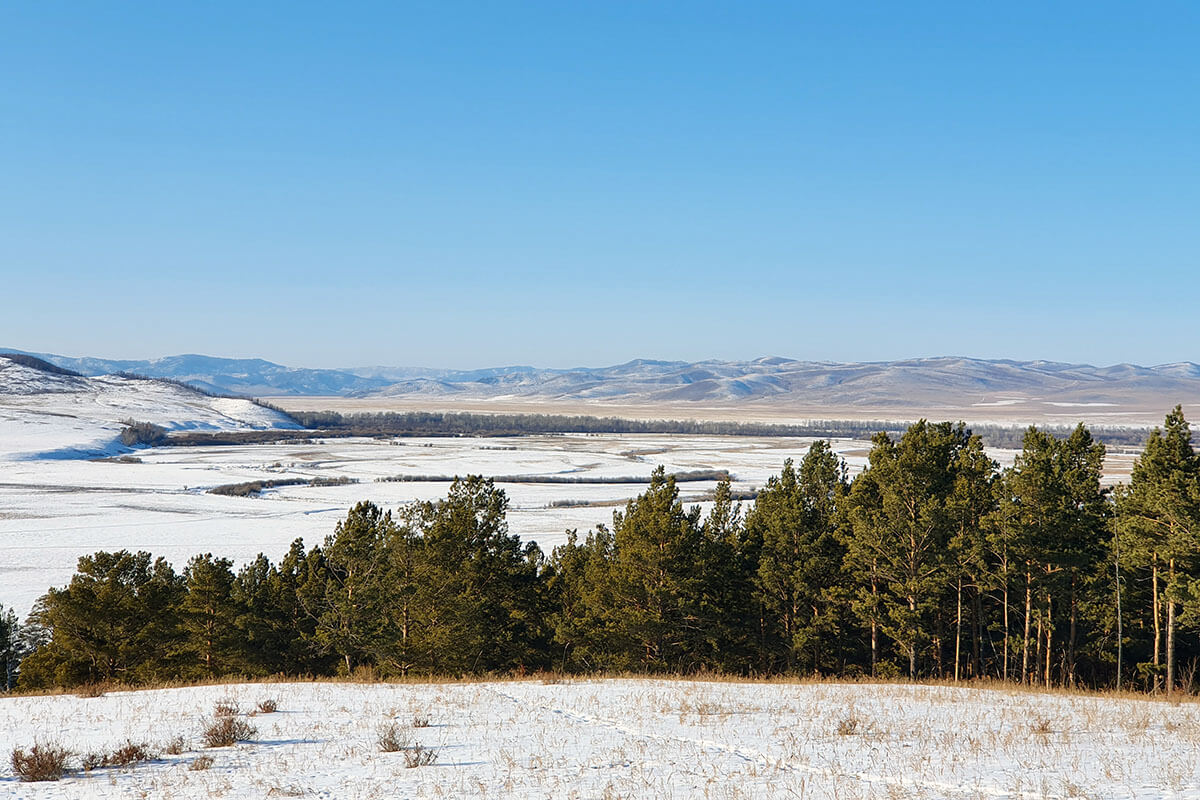
Today, we’ll journey west into the Orkhon Valley, where the Orkhon River winds through a landscape rich in history and natural beauty. Recognized as a UNESCO World Cultural Heritage site, the valley is home to ancient relics that date as far back as the 6th century and earlier. It was also the site of Karakorum, the capital of the great Mongol Empire during the 12th and 13th centuries. The traditional nomadic lifestyle continues to thrive here, preserving a way of life deeply connected to both history and nature. During the Quaternary period, a volcanic eruption near the mouth of the Tsagaan Azarga, or White Stallion River, sent lava flowing down the valley, forming a basalt layer around 10 meters thick. Over time, the Orkhon River carved through this basalt not once, but twice shaping the dramatic canyon we see today.
Today we will be driving westwards into the Orkhon Valley, where the Orkhon river flows. UNESCO has designated the valley as a world cultural heritage site because of ancient artifacts dating back to the early 6th century and even earlier. Moreover, the great Mongol empire expanded its capital Karakorum here from the 12th to 13th centuries. Furthermore, the pasture nomadic lifestyle has persisted, preserving both the historic and nomadic perspectives on life.
- Explore the Orkhon Valley
- Discover the stunning Orkhon Waterfall
- Engage with a nomadic family that breeds horses and yaks
- Enjoy the opportunity for horseback riding
Orkhon valley & waterfall
Today, we’ll journey west into the Orkhon Valley, where the Orkhon River winds through a landscape rich in history and natural beauty. Recognized as a UNESCO World Cultural Heritage site, the valley is home to ancient relics that date as far back as the 6th century and earlier. It was also the site of Karakorum, the capital of the great Mongol Empire during the 12th and 13th centuries. The traditional nomadic lifestyle continues to thrive here, preserving a way of life deeply connected to both history and nature. During the Quaternary period, a volcanic eruption near the mouth of the Tsagaan Azarga, or White Stallion River, sent lava flowing down the valley, forming a basalt layer around 10 meters thick. Over time, the Orkhon River carved through this basalt not once, but twice shaping the dramatic canyon we see today.
Today we will be driving westwards into the Orkhon Valley, where the Orkhon river flows. UNESCO has designated the valley as a world cultural heritage site because of ancient artifacts dating back to the early 6th century and even earlier. Moreover, the great Mongol empire expanded its capital Karakorum here from the 12th to 13th centuries. Furthermore, the pasture nomadic lifestyle has persisted, preserving both the historic and nomadic perspectives on life.
- Explore the Orkhon Valley
- Discover the stunning Orkhon Waterfall
- Engage with a nomadic family that breeds horses and yaks
- Enjoy the opportunity for horseback riding
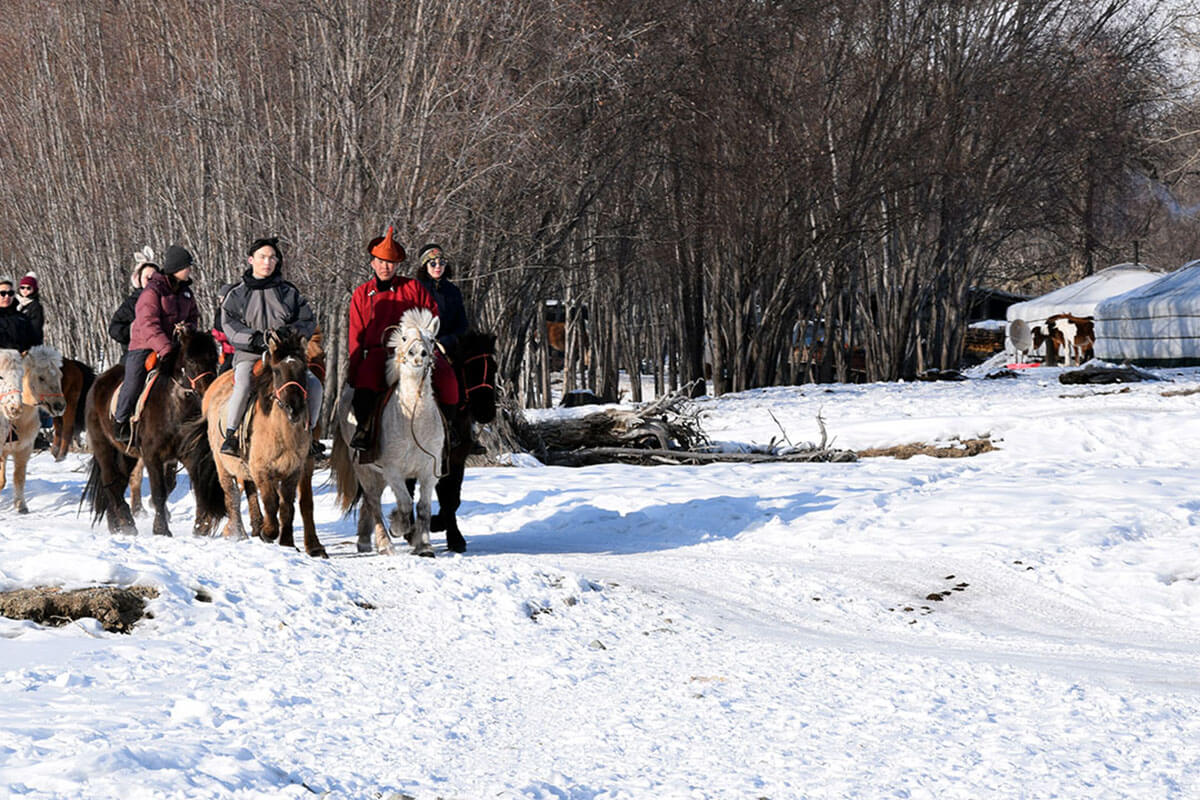
Tovkhon Monastery, founded in the 1650s by Zanabazar, one of Mongolia's most revered religious figures, is set amidst natural caves on a hilltop. From here, you can enjoy breathtaking views of the Orkhon Valley and the surrounding pine forests. At the summit, a stone pile known as an Ovoo marks the spot where locals honor the mountain’s spirit. In the afternoon, we’ll embark on a horseback riding adventure to further explore the area.
- Hike 7 km to Tovkhon Monastery, which takes approximately 3 to 4 hours.
Tovkhon Khiid
Tovkhon Monastery, founded in the 1650s by Zanabazar, one of Mongolia's most revered religious figures, is set amidst natural caves on a hilltop. From here, you can enjoy breathtaking views of the Orkhon Valley and the surrounding pine forests. At the summit, a stone pile known as an Ovoo marks the spot where locals honor the mountain’s spirit. In the afternoon, we’ll embark on a horseback riding adventure to further explore the area.
- Hike 7 km to Tovkhon Monastery, which takes approximately 3 to 4 hours.
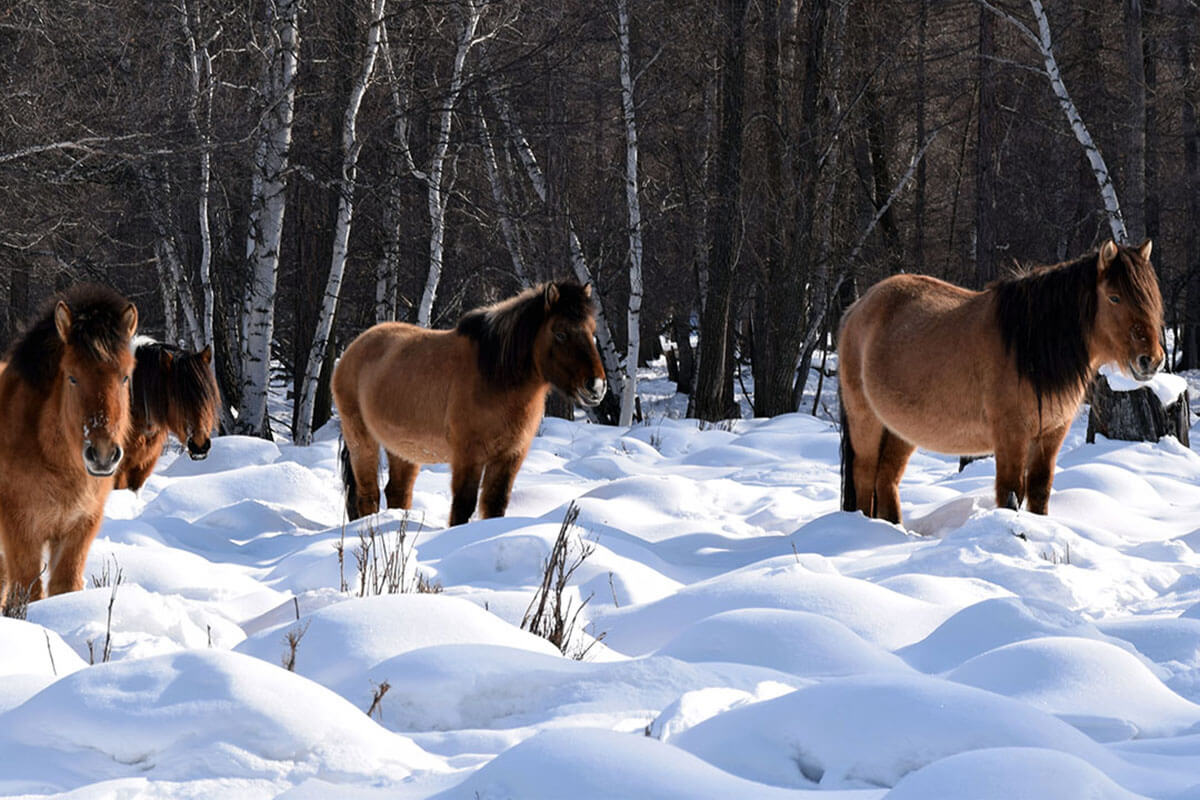
Today, we are heading to Khogno Khan National Park. We will embark on a trek through the Khogno Khan Mountains, culminating in a hike to enjoy breathtaking views of the hills, sand dunes, and grasslands. Additionally, we’ll explore the beautiful Ovgon Monastery.
The Elsen Tasarkhai Sand Dune, affectionately referred to as Little Gobi, stretches for 100 kilometers.
- Explore Elsen Tasarkhai sand dunes
- Discover Khogno Khan mountain
- Visit Ovgon monastery
- Meet a camel breeding family
- Opportunity for camel riding
Khogno Khan Mountains and Elsen Tasarkhai
Today, we are heading to Khogno Khan National Park. We will embark on a trek through the Khogno Khan Mountains, culminating in a hike to enjoy breathtaking views of the hills, sand dunes, and grasslands. Additionally, we’ll explore the beautiful Ovgon Monastery.
The Elsen Tasarkhai Sand Dune, affectionately referred to as Little Gobi, stretches for 100 kilometers.
- Explore Elsen Tasarkhai sand dunes
- Discover Khogno Khan mountain
- Visit Ovgon monastery
- Meet a camel breeding family
- Opportunity for camel riding
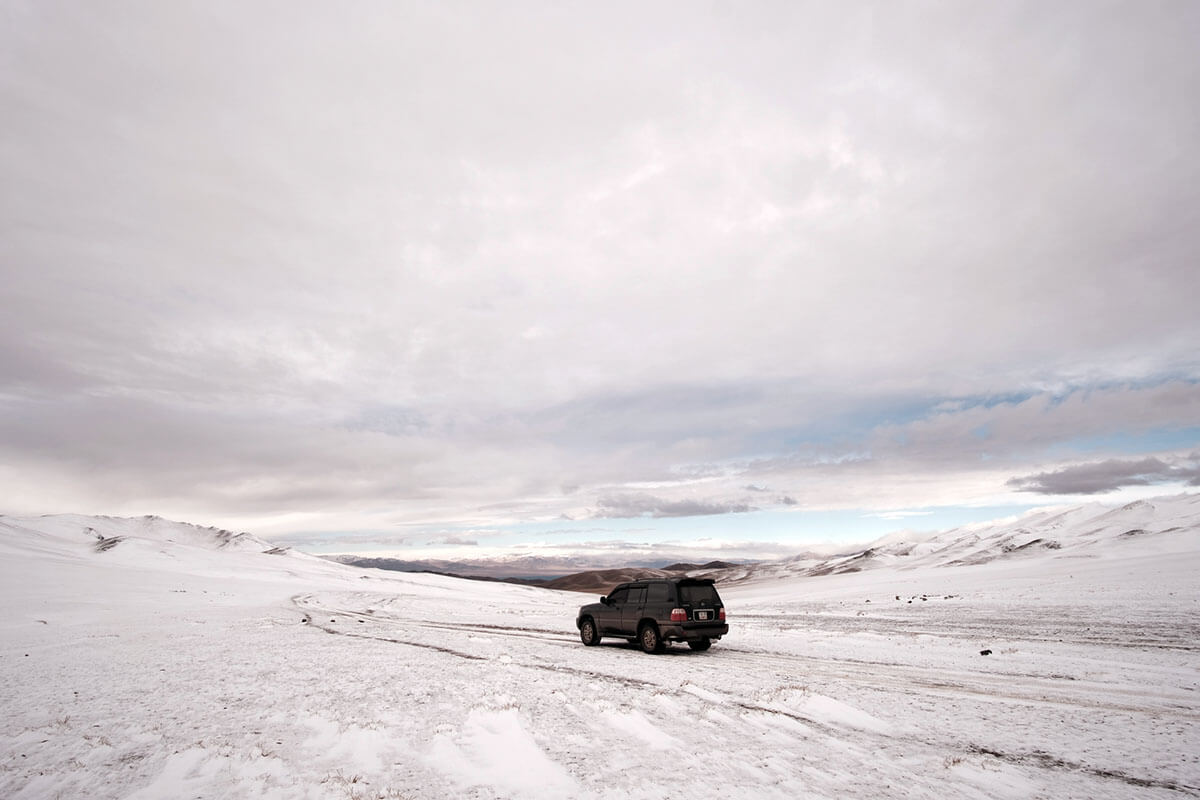
Today, we will journey to Khustain Nuruu National Park. Just before reaching the park, we will stop at the Mongol Nomadic Tourist Camp to immerse ourselves in local culture and traditions.
The Przewalski's Horse, also known as the Takhi horse, is a rare and endangered wild horse subspecies native to the steppes of Central Asia. Once extinct in the wild, it has been reintroduced to its natural habitat in Mongolia. Khustain Nuruu National Park was established as a reserve in 1993 and was elevated to national park status in 1998. Currently, the park is home to approximately 350 Takhi horses, along with 459 vascular plant species and 217 bird species.
Upon our arrival at the Khustain Nuruu National Park camp, we will meet the park staff and learn about their ongoing projects. In the afternoon, we will explore the park's stunning natural wonders.
- Explore Khustai national park
- Catch a glimpse the wild horses
- Observe wildlife
Khustain Nuruu National Park
Today, we will journey to Khustain Nuruu National Park. Just before reaching the park, we will stop at the Mongol Nomadic Tourist Camp to immerse ourselves in local culture and traditions.
The Przewalski's Horse, also known as the Takhi horse, is a rare and endangered wild horse subspecies native to the steppes of Central Asia. Once extinct in the wild, it has been reintroduced to its natural habitat in Mongolia. Khustain Nuruu National Park was established as a reserve in 1993 and was elevated to national park status in 1998. Currently, the park is home to approximately 350 Takhi horses, along with 459 vascular plant species and 217 bird species.
Upon our arrival at the Khustain Nuruu National Park camp, we will meet the park staff and learn about their ongoing projects. In the afternoon, we will explore the park's stunning natural wonders.
- Explore Khustai national park
- Catch a glimpse the wild horses
- Observe wildlife
The time has come to leave and drive back to Ulaanbaatar, Mongolia's capital. You can use your free afternoon to see as you fit. Maybe check out the Narantuul market. Narantuul Market, colloquially known as the "Black Market," is the largest open-air market in Mongolia, the market is organized into various sections, each dedicated to specific types of products, making it a one-stop destination for a wide range of items.
- Shop for souvenir or cashmere
Drive back to Ulaanbaatar
The time has come to leave and drive back to Ulaanbaatar, Mongolia's capital. You can use your free afternoon to see as you fit. Maybe check out the Narantuul market. Narantuul Market, colloquially known as the "Black Market," is the largest open-air market in Mongolia, the market is organized into various sections, each dedicated to specific types of products, making it a one-stop destination for a wide range of items.
- Shop for souvenir or cashmere
Similar Tours
Canoeing Orkhon Valley
- Moderate
- 15 days
- 13 / max
Big Loop
- Moderate
- 17 days
- 14 / max
The Secret of Gobi Desert & the Winding Steppes of Mongolia
- Moderate
- 8 days
- 14 / max
Winter national parks
- Moderate
- 3 days
- 14 / max
Naadam Festival
- Easy
- 2 days
- 14 / max
Cradle of Mongolian Civilization
- Moderate
- 5 days
- 14 / max
Camel Trek through Central Mongolian Grasslands
- Moderate
- 6 days
- 14 / max
Into the Wild: Trekking to Khagiin Khar Lake
- Challenge
- 8 days
- 14 / max
Adventure into Nature: Trekking the Eight Lakes & Orkhon valley
- Challenge
- 9 days
- 13 / max
Discovering Central and Northern Mongolia
- Moderate
- 12 days
- 14 / max