Tour Highlights:
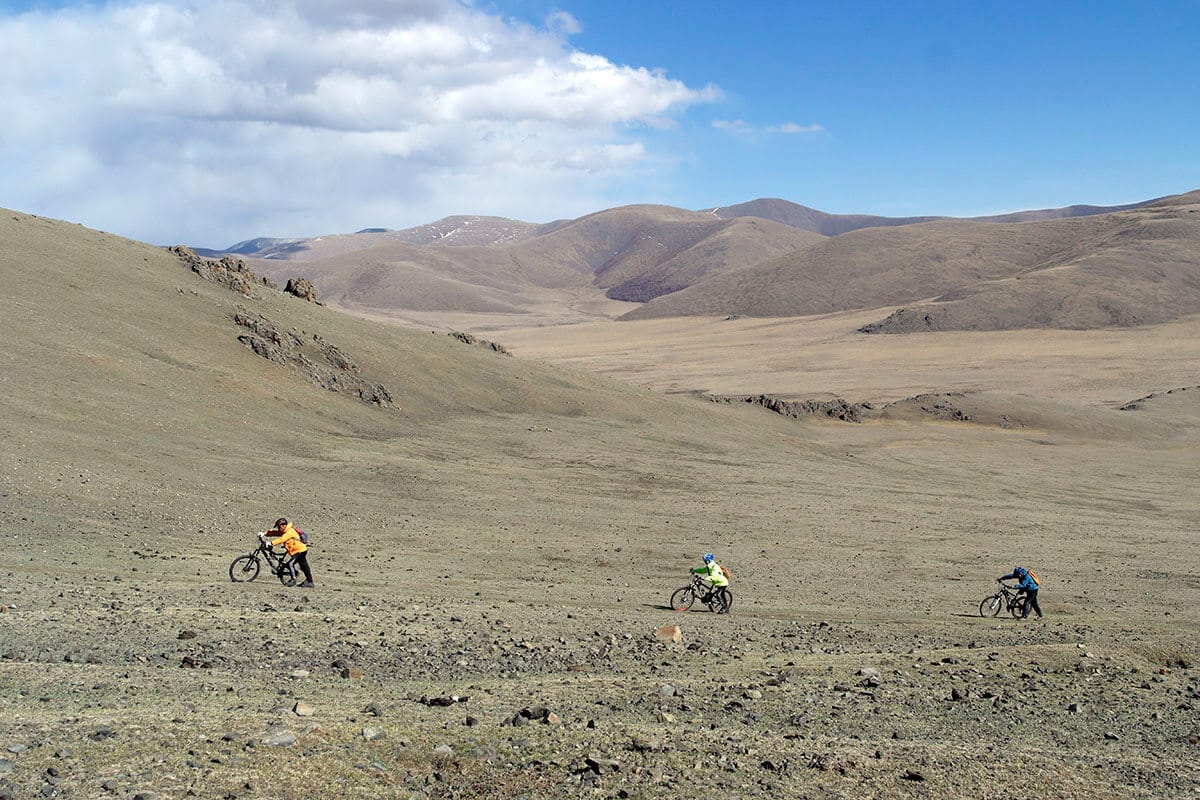
- Challenging Mountain Passes – Ride across rugged terrain, steep climbs, and exhilarating downhill trails through the heart of the Khangai range.
- Varied Landscapes – Experience rolling green steppes, dense larch forests, alpine meadows, and fast-flowing rivers and mineral-rich hot springs
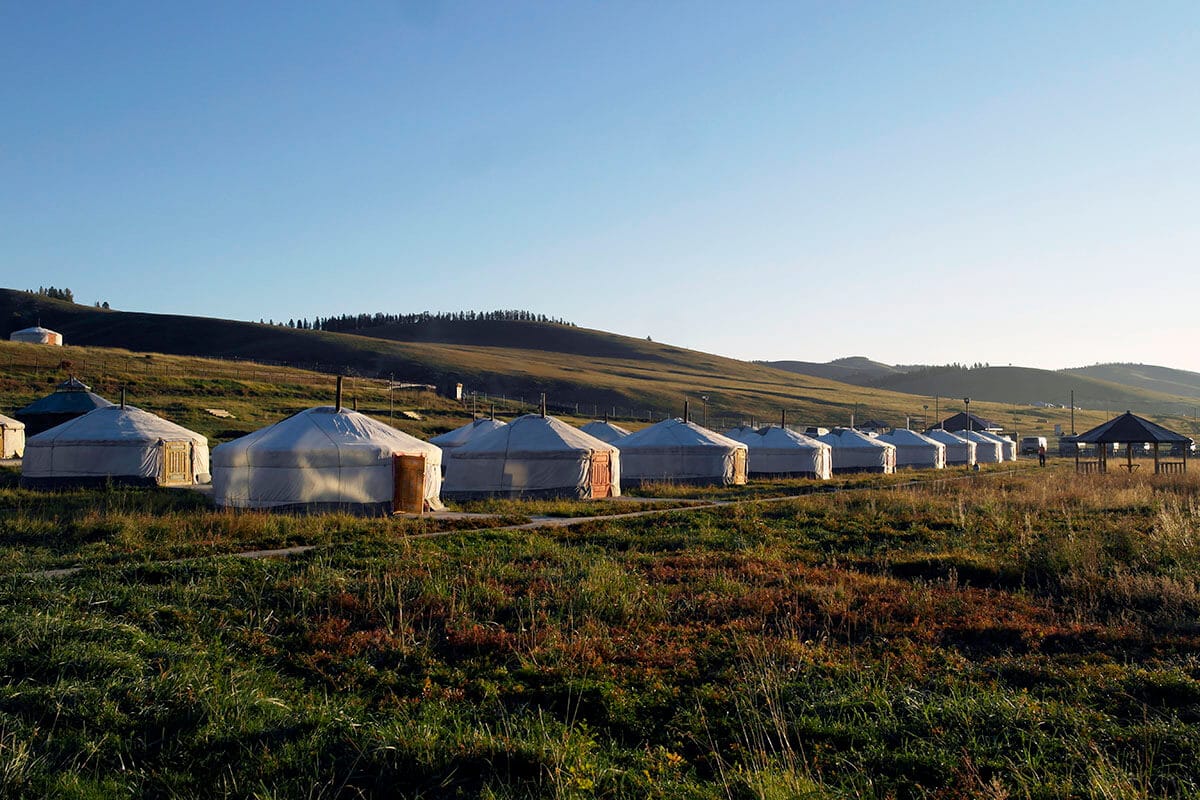
- Nomadic Culture – Encounter traditional herder families, see yak and horse herding, and experience the authentic hospitality of Mongolian gers.
- Wildlife Encounters – Spot marmots, eagles, vultures, and sometimes wild ibex or red deer in the mountains.
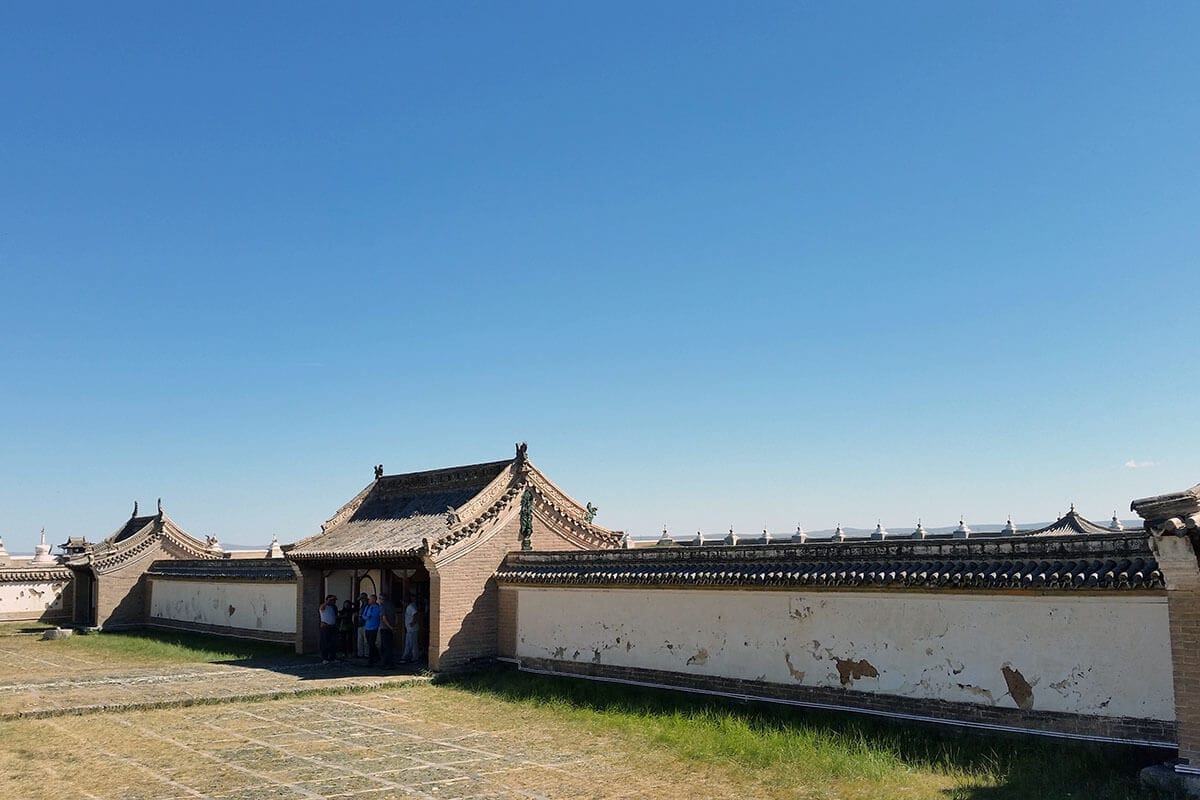
- Cultural Sites – Visit ancient monasteries such as Erdene Zuu in Kharkhorin and small remote temples hidden in the mountains.
- Hot Springs Rest – Relax in natural hot springs like Tsenkher after long days of cycling.
- Starry Nights – Camp under vast, clear night skies with breathtaking views of the Milky Way.
- Remote Adventure – Enjoy the sense of isolation, untouched nature, and pure off-the-grid cycling far from busy roads.
Arvaikheer
Shargaljuut hot spring
Khoh Gol River passing by Nam Dorolj Pass
Tongorogyn Pass. Pass by Suugiin Pass 2742 meter
Ultiin Pass
Tsenher hot spring
Tsagaan Sum
Tovkhon monastery & Orkhon waterfall
Karakorum
Erdene zuu monastery, Karakorum archaeological museum
Drive to Ulaanbaatar
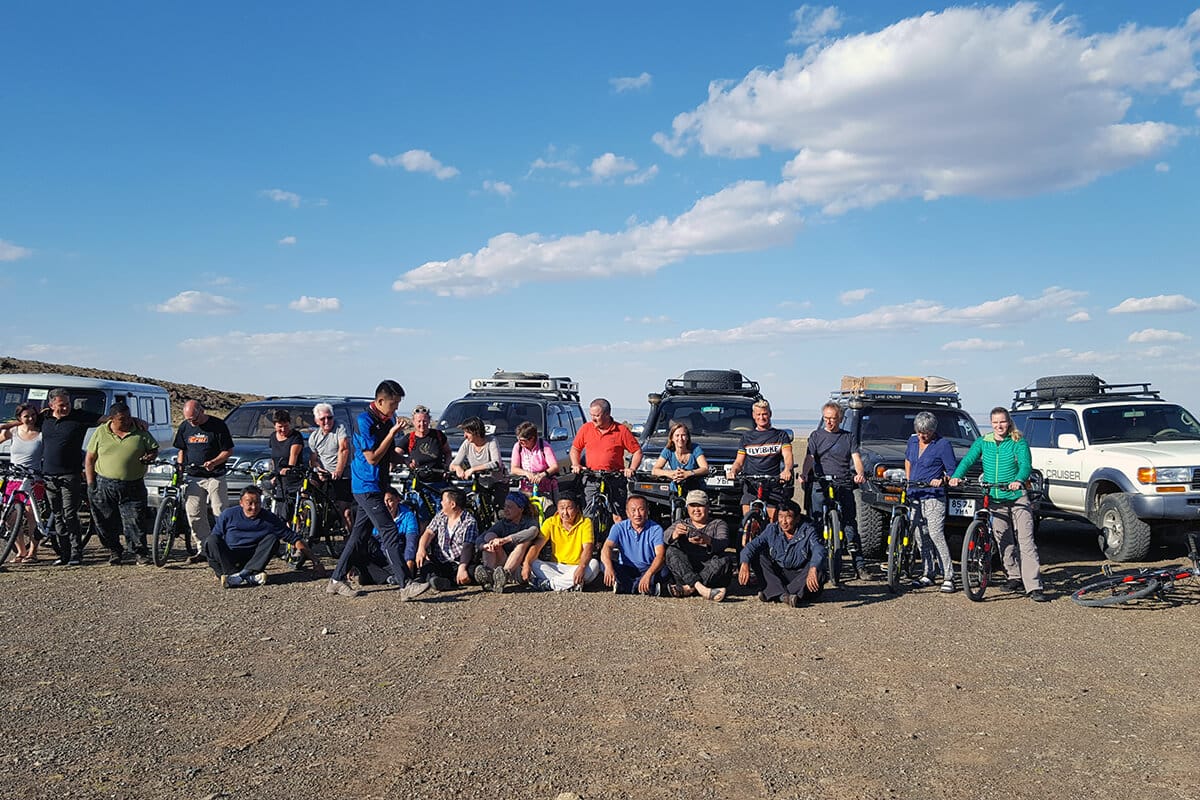
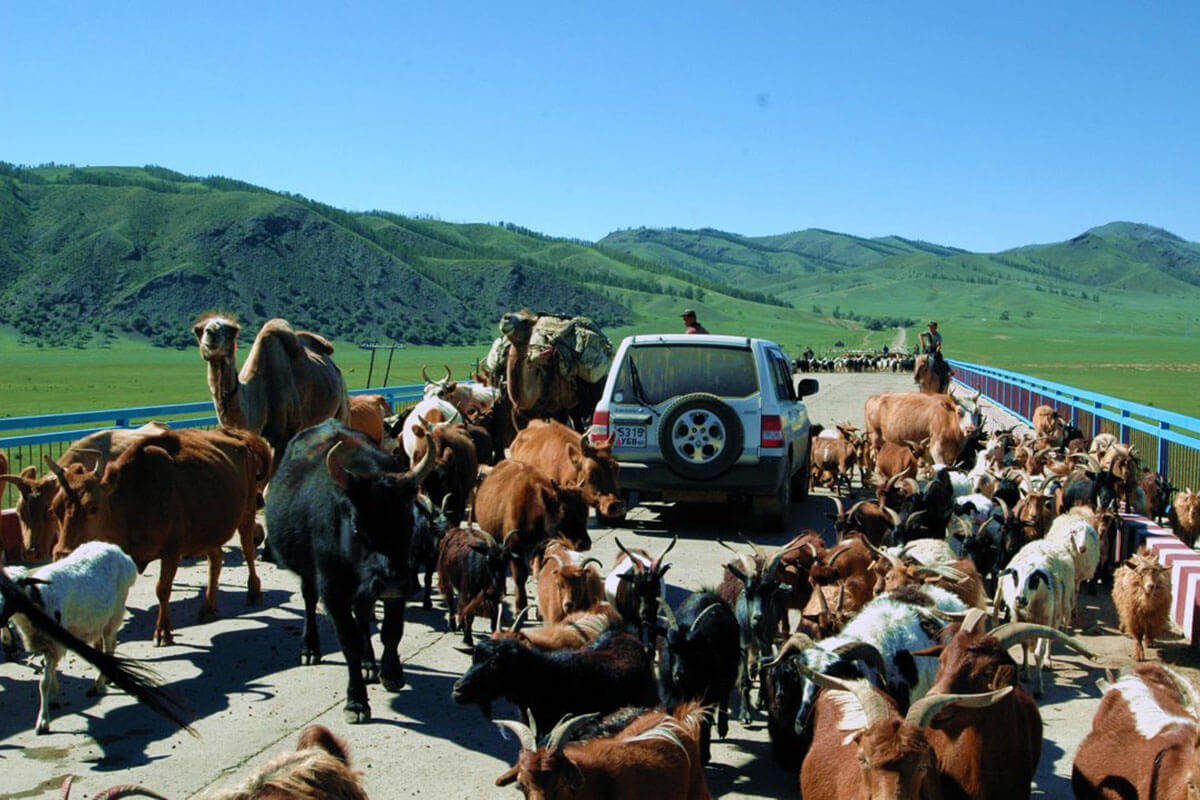
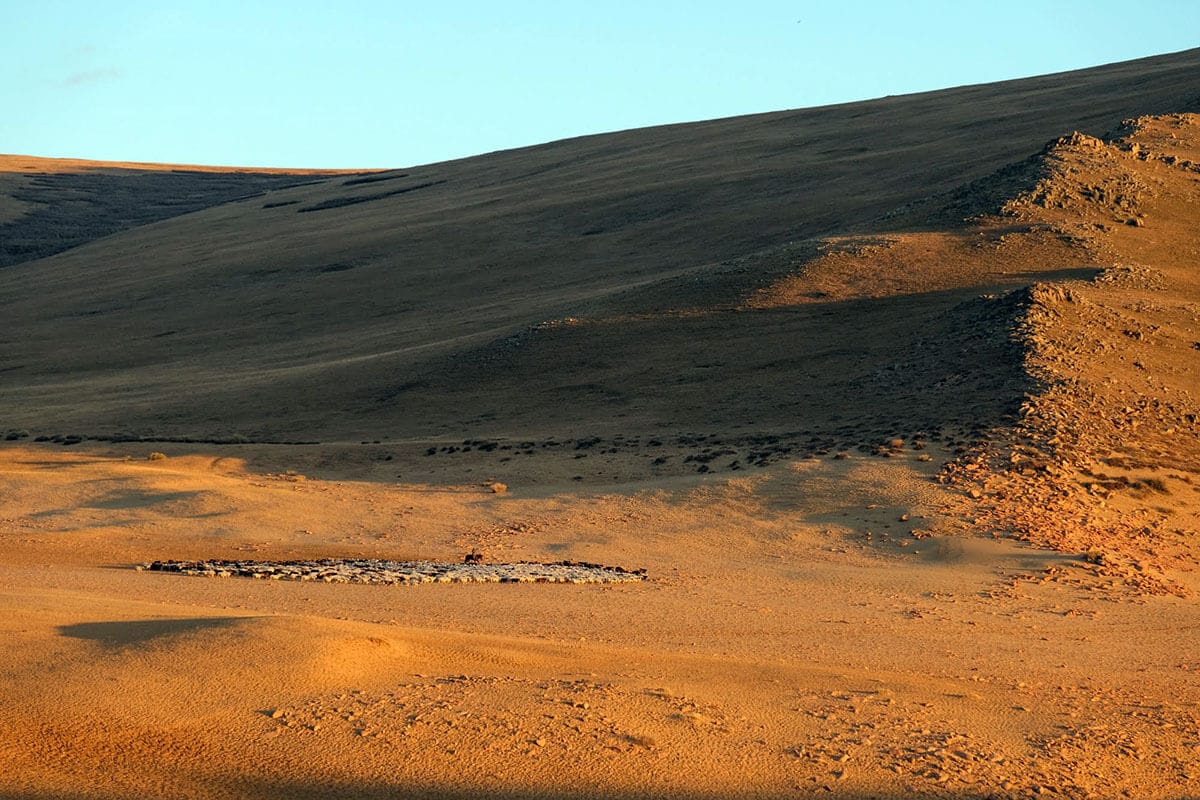
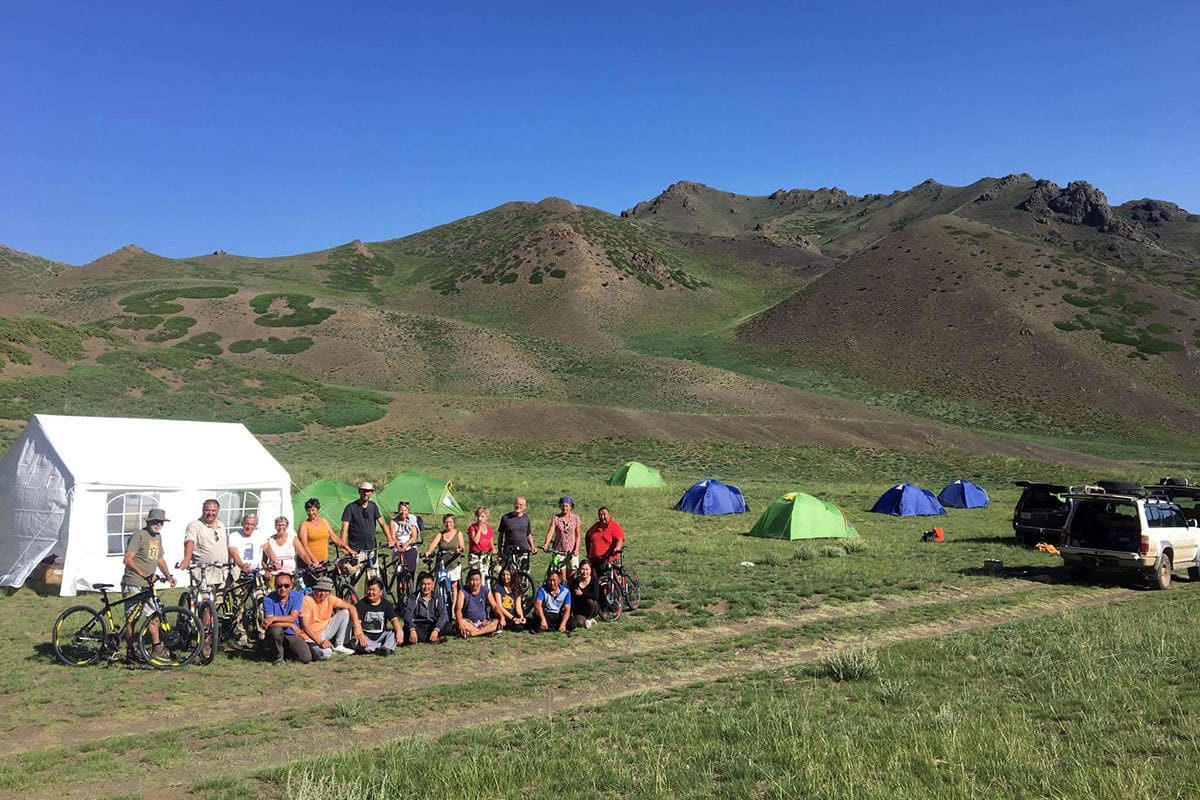
Day To Day Itinerary
Mongolia is a biker’s paradise. With only 10% of the country paved and vast open spaces shared by all, you can ride and camp almost anywhere. Expect to cycle on dirt tracks, grassy plains, and gravel paths, with rolling hills dominating the landscape and a few challenging passes adding excitement. Along the way, you’ll be welcomed into nomadic gers, where families offer salted milk tea, dairy products, and even home-brewed vodka while sharing stories of their unique way of life.
Our route winds through the Khangai Mountains, beginning near the provincial capital of Övörkhangai. The journey leads across high passes, small rivers, sweeping grasslands, soothing hot springs, and culturally rich sites. With rugged peaks, forests, and crystal-clear streams, this province is considered one of the most beautiful in Mongolia. The town of Arvaikheer adds a cultural highlight, known for its traditional crafts, cashmere goat herding, and vibrant equestrian sports.
Accommodation:
- Hotel L, D
Activities:
- Drive 431 km
Arvaikheer
Mongolia is a biker’s paradise. With only 10% of the country paved and vast open spaces shared by all, you can ride and camp almost anywhere. Expect to cycle on dirt tracks, grassy plains, and gravel paths, with rolling hills dominating the landscape and a few challenging passes adding excitement. Along the way, you’ll be welcomed into nomadic gers, where families offer salted milk tea, dairy products, and even home-brewed vodka while sharing stories of their unique way of life.
Our route winds through the Khangai Mountains, beginning near the provincial capital of Övörkhangai. The journey leads across high passes, small rivers, sweeping grasslands, soothing hot springs, and culturally rich sites. With rugged peaks, forests, and crystal-clear streams, this province is considered one of the most beautiful in Mongolia. The town of Arvaikheer adds a cultural highlight, known for its traditional crafts, cashmere goat herding, and vibrant equestrian sports.
Accommodation:
- Hotel L, D
Activities:
- Drive 431 km
The hot springs and health resorts of Shargaljuut Sum lie about 60 kilometers from Bayankhongor’s provincial center, set along a rocky pass on the northwestern bank of the Shargaljuut River. A fascinating detail is that more than 100 mineral springs here are named after human body parts and organs, inspired by the shapes of their sprouts and fissures. Before setting off, we’ll take a few minutes to test the bikes, adjust, and get ready to ride.
Accommodation:
- Tented camp B, L, D
Activities:
- Drive 187 km
- Bike 36 km
Shargaljuut hot spring
The hot springs and health resorts of Shargaljuut Sum lie about 60 kilometers from Bayankhongor’s provincial center, set along a rocky pass on the northwestern bank of the Shargaljuut River. A fascinating detail is that more than 100 mineral springs here are named after human body parts and organs, inspired by the shapes of their sprouts and fissures. Before setting off, we’ll take a few minutes to test the bikes, adjust, and get ready to ride.
Accommodation:
- Tented camp B, L, D
Activities:
- Drive 187 km
- Bike 36 km
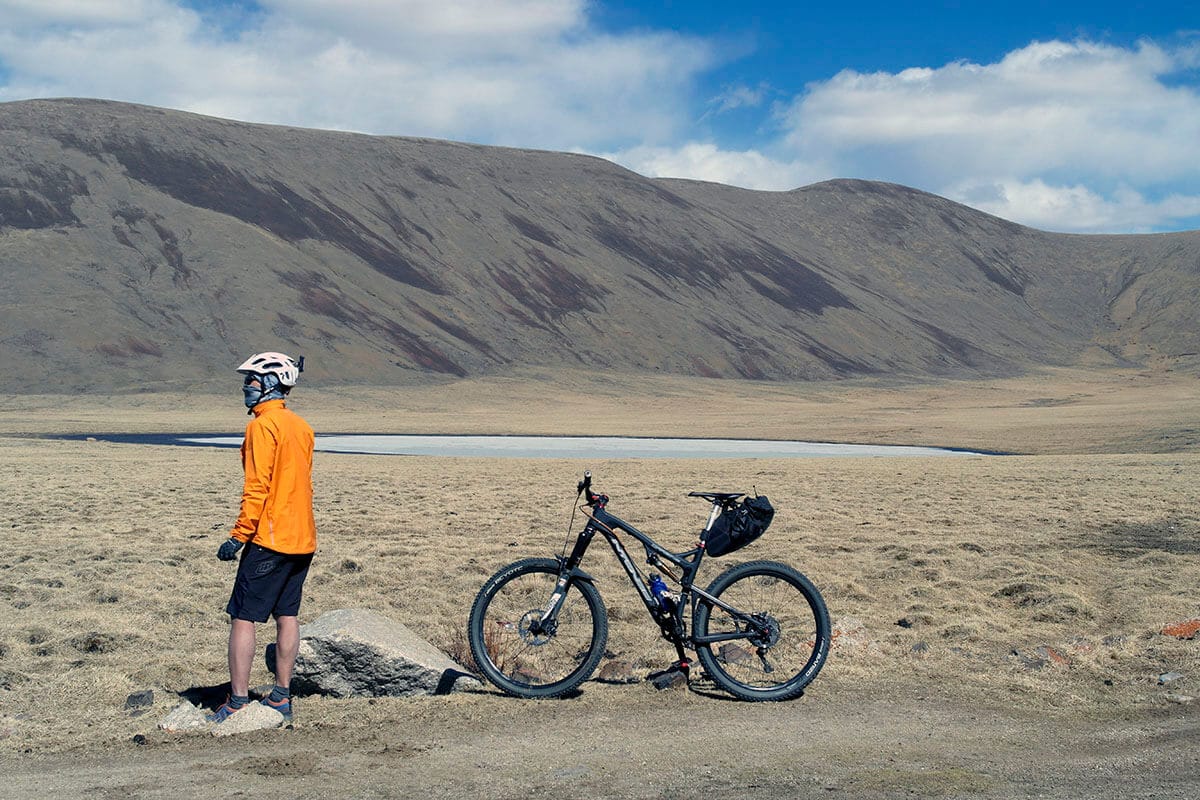
The Khangai Mountains, located about 400 kilometers west of Ulaanbaatar, form one of central Mongolia’s most striking landscapes, stretching all the way to the country’s western border. The region’s highest peak, Otgon Tenger Uul, rises to 4,020 meters above sea level. Toward the eastern foothills, the mountains gradually give way to the open steppes, creating a remarkable blend of ecosystems. This mix supports a rich diversity of flora and fauna within a relatively compact area.
Accommodation:
- Tented camp B, L, D
Activities:
- Bike 32 km
Khoh Gol River passing by Nam Dorolj Pass
The Khangai Mountains, located about 400 kilometers west of Ulaanbaatar, form one of central Mongolia’s most striking landscapes, stretching all the way to the country’s western border. The region’s highest peak, Otgon Tenger Uul, rises to 4,020 meters above sea level. Toward the eastern foothills, the mountains gradually give way to the open steppes, creating a remarkable blend of ecosystems. This mix supports a rich diversity of flora and fauna within a relatively compact area.
Accommodation:
- Tented camp B, L, D
Activities:
- Bike 32 km
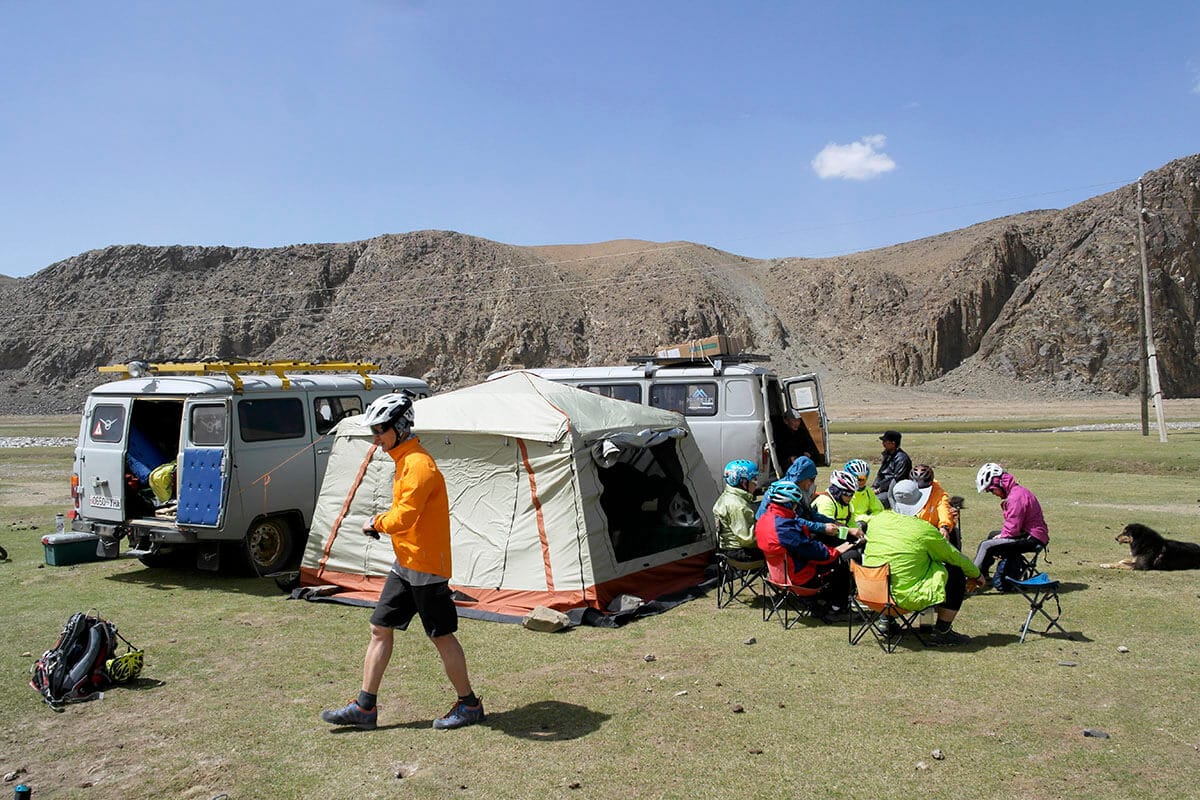
The Khangai Mountains feed some of Mongolia’s major rivers, including the Orkhon, Selenge, Ideriin, and Zavkhan, as well as lakes such as Orog and Böön Tsagaan. Scattered across the range are numerous smaller lakes, all interconnected by rivers and streams carrying fresh mountain water. Geographically, the Khangai serve as a natural divide—separating the arid expanses of the Gobi Desert in the south from the fertile rolling hills of northern Mongolia.
Accommodation:
- Tented camp B, L, D
Activities:
- Bike 29 km
Tongorogyn Pass. Pass by Suugiin Pass 2742 meter
The Khangai Mountains feed some of Mongolia’s major rivers, including the Orkhon, Selenge, Ideriin, and Zavkhan, as well as lakes such as Orog and Böön Tsagaan. Scattered across the range are numerous smaller lakes, all interconnected by rivers and streams carrying fresh mountain water. Geographically, the Khangai serve as a natural divide—separating the arid expanses of the Gobi Desert in the south from the fertile rolling hills of northern Mongolia.
Accommodation:
- Tented camp B, L, D
Activities:
- Bike 29 km
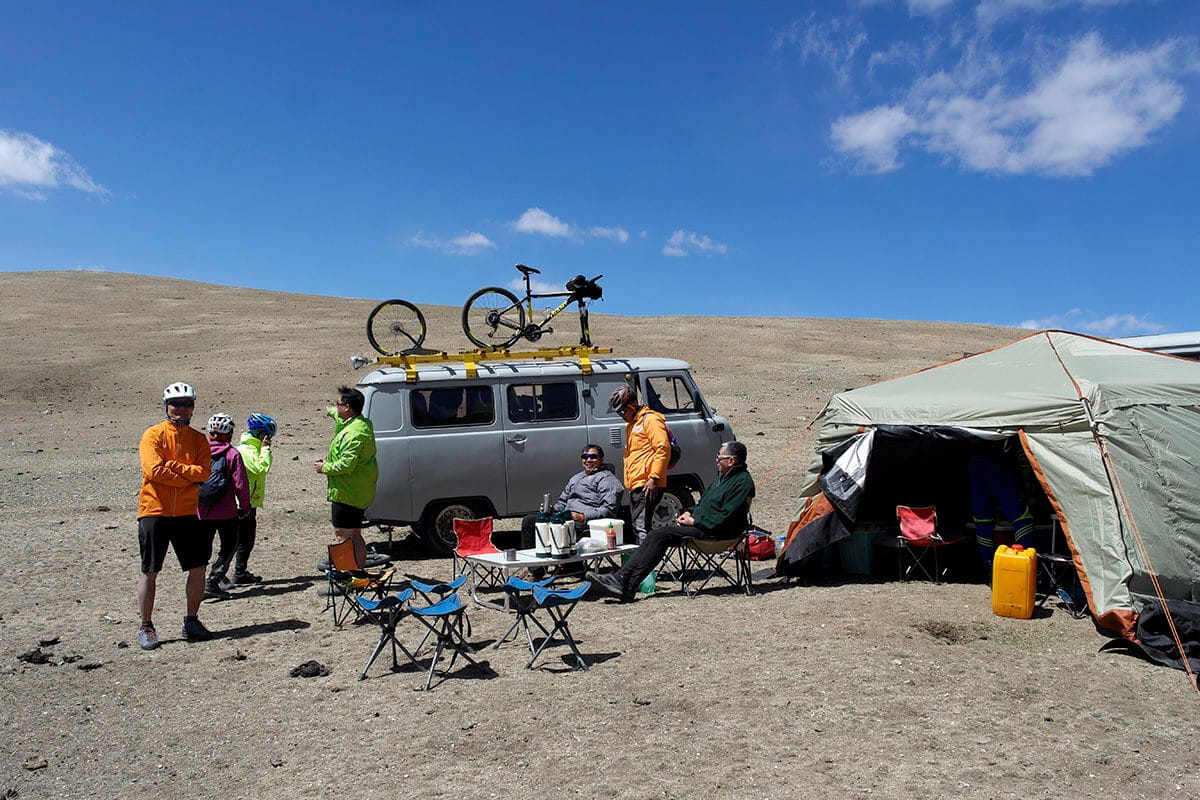
The Khangai Mountains, rising 2,500–3,000 meters above sea level, are primarily composed of Paleozoic-era granite, chert, and sandstone. Extending for nearly 800 kilometers from Zavkhan Province to Tuv Province, the range also functions as a continental divide in the world’s water system.
Accommodation:
- Tented camp B, L, D
Activities:
- Bike 62 km
Ultiin Pass
The Khangai Mountains, rising 2,500–3,000 meters above sea level, are primarily composed of Paleozoic-era granite, chert, and sandstone. Extending for nearly 800 kilometers from Zavkhan Province to Tuv Province, the range also functions as a continental divide in the world’s water system.
Accommodation:
- Tented camp B, L, D
Activities:
- Bike 62 km
This resort features a spacious open-air pool fed by a natural hot spring, where water emerges at over 80°C. A sophisticated pipeline system regulates the temperature, creating a perfect soak for guests. Many visitors spend hours in the pool, chatting with friends while gazing at the stars or taking in the surrounding nighttime landscape.
Accommodation:
- Ger camp B, L, D
Activities:
- Bike 49 km
Tsenher hot spring
This resort features a spacious open-air pool fed by a natural hot spring, where water emerges at over 80°C. A sophisticated pipeline system regulates the temperature, creating a perfect soak for guests. Many visitors spend hours in the pool, chatting with friends while gazing at the stars or taking in the surrounding nighttime landscape.
Accommodation:
- Ger camp B, L, D
Activities:
- Bike 49 km
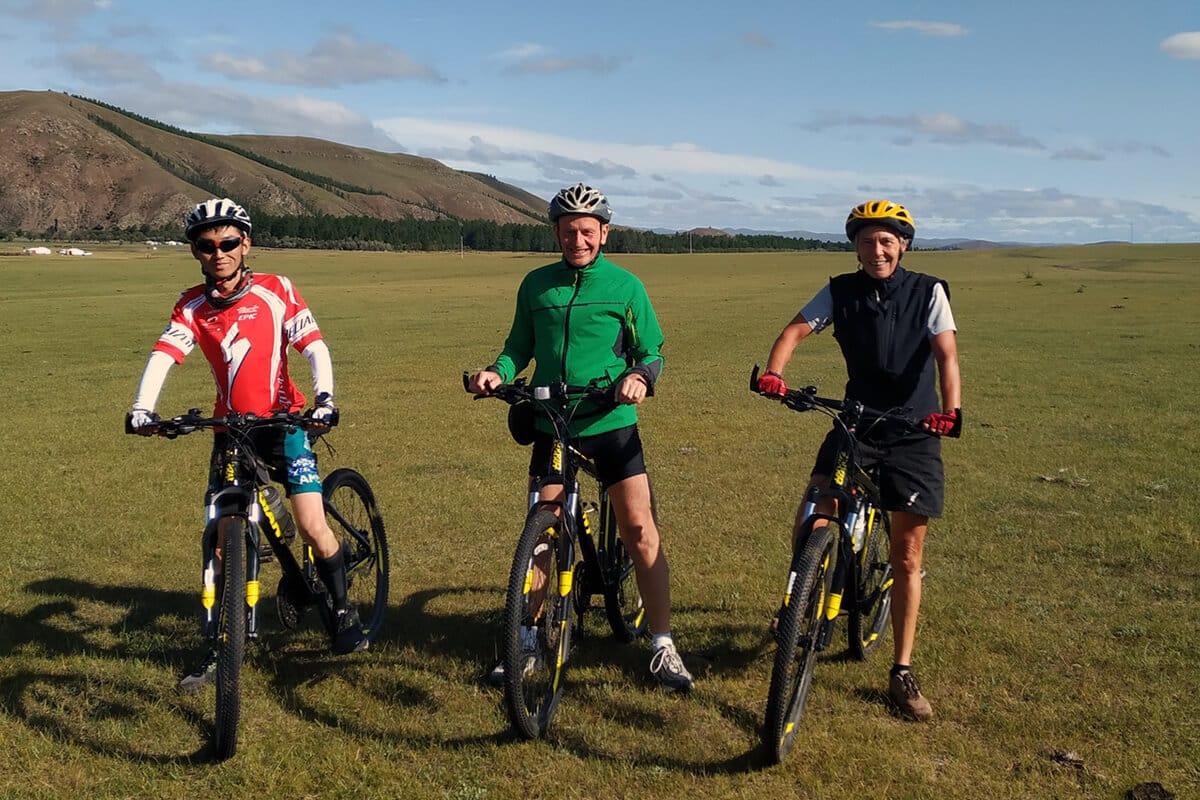
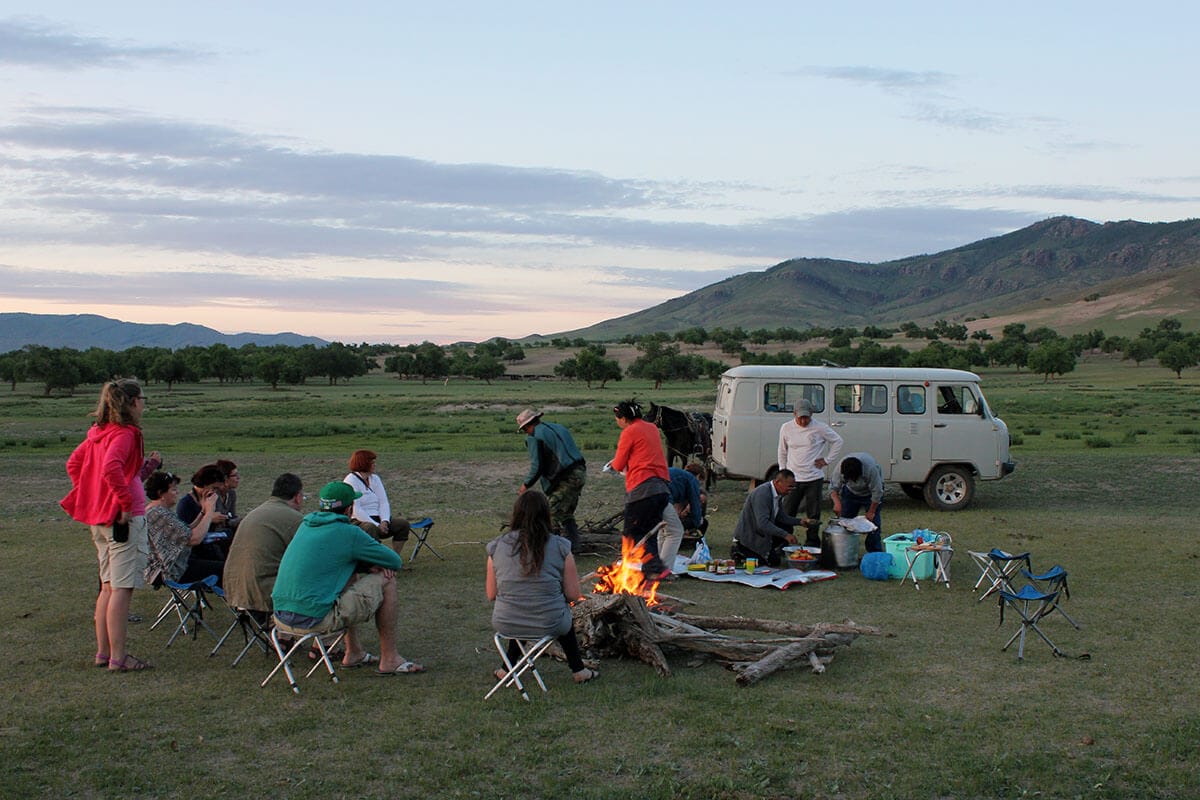
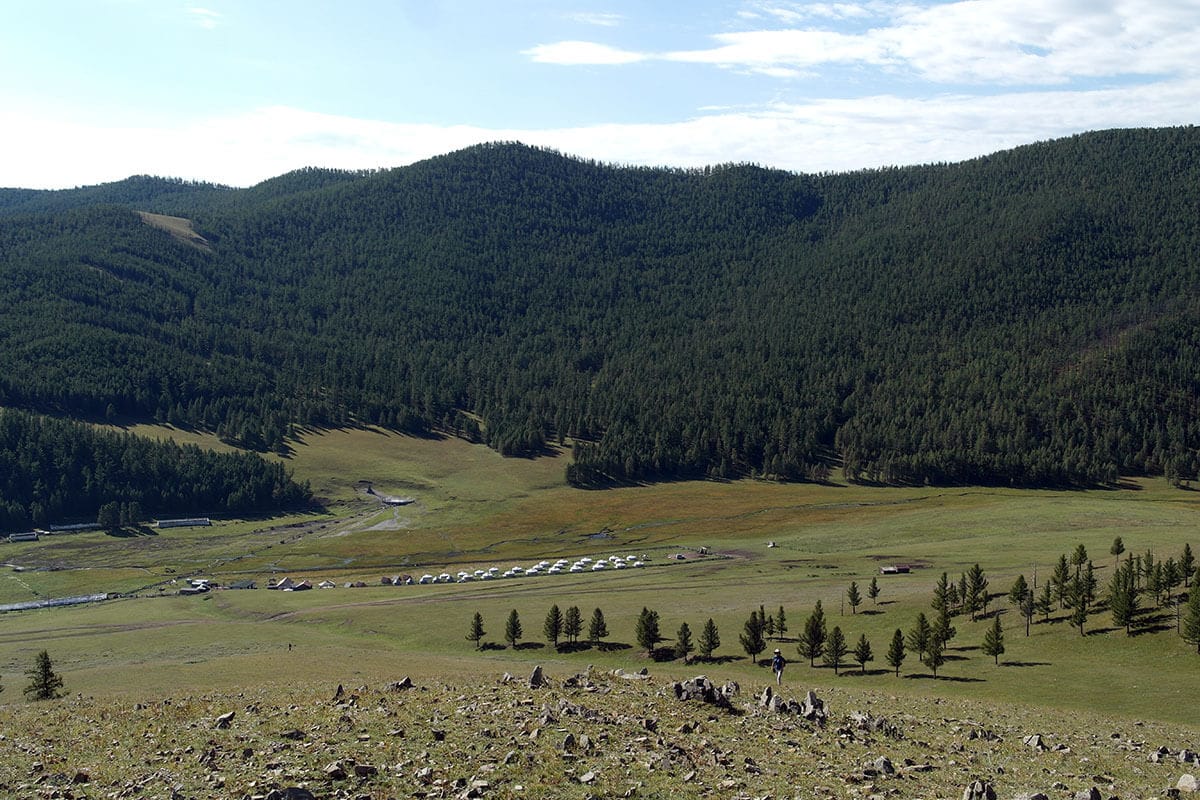
After breakfast at our ger camp, we’ll ford a river in our jeeps—often swollen from summer rains—before beginning our cycling day. The route winds through forested hills, granite formations, and fertile valleys dotted with gers. As we venture deeper into the lush Khangai Mountains, the landscape bursts with wildflowers and rich vegetation, and herds of Mongolian yaks roam nearby. Today’s ride is more physically demanding, with mountain climbs and rugged terrain, though those who prefer can relax in the comfort of the jeeps. We’ll reach our campsite by early evening, already prepared by our team, and spend the night around the campfire, immersed in the silence of the wilderness—an experience designed to bring peace to the heart and renewal to the soul.
Accommodation:
- Tented camp B, L, D
Activities:
- Bike 49 km
Tsagaan Sum
After breakfast at our ger camp, we’ll ford a river in our jeeps—often swollen from summer rains—before beginning our cycling day. The route winds through forested hills, granite formations, and fertile valleys dotted with gers. As we venture deeper into the lush Khangai Mountains, the landscape bursts with wildflowers and rich vegetation, and herds of Mongolian yaks roam nearby. Today’s ride is more physically demanding, with mountain climbs and rugged terrain, though those who prefer can relax in the comfort of the jeeps. We’ll reach our campsite by early evening, already prepared by our team, and spend the night around the campfire, immersed in the silence of the wilderness—an experience designed to bring peace to the heart and renewal to the soul.
Accommodation:
- Tented camp B, L, D
Activities:
- Bike 49 km
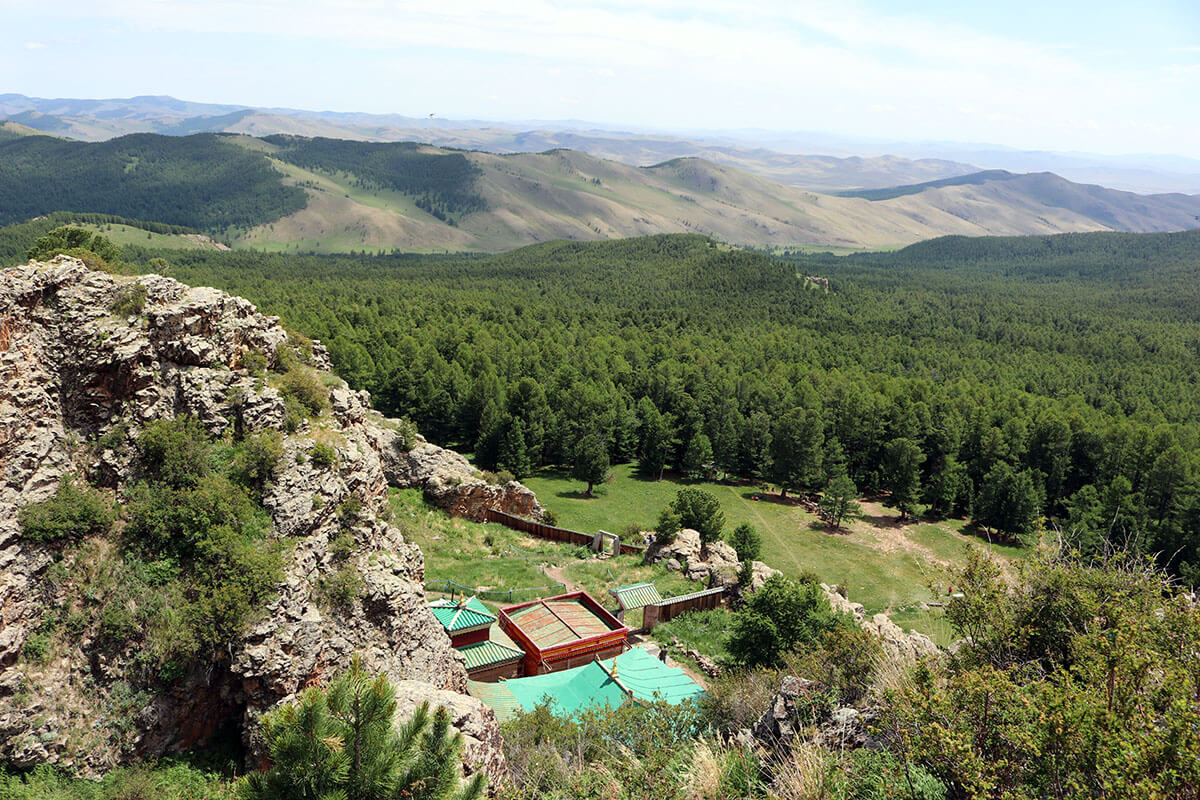
Our jeeps will depart from the campsite and head to Tovkhon Monastery, founded in the 1650s by Zanabazar, one of Mongolia’s most revered spiritual leaders. The monastery’s wooden structures blend with a natural system of caves, perched on a hilltop offering breathtaking views of the Orkhon Valley and surrounding pine forests. At the cliff’s summit, a pile of stones known as an Ovoo marks a sacred site used to honor a mountain deity.
After lunch, we’ll continue cycling toward the Orkhon Waterfall, deep within the valley.
Accommodation:
- Ger camp B, L, D
Activities:
- Bike 49 km
Tovkhon monastery & Orkhon waterfall
Our jeeps will depart from the campsite and head to Tovkhon Monastery, founded in the 1650s by Zanabazar, one of Mongolia’s most revered spiritual leaders. The monastery’s wooden structures blend with a natural system of caves, perched on a hilltop offering breathtaking views of the Orkhon Valley and surrounding pine forests. At the cliff’s summit, a pile of stones known as an Ovoo marks a sacred site used to honor a mountain deity.
After lunch, we’ll continue cycling toward the Orkhon Waterfall, deep within the valley.
Accommodation:
- Ger camp B, L, D
Activities:
- Bike 49 km
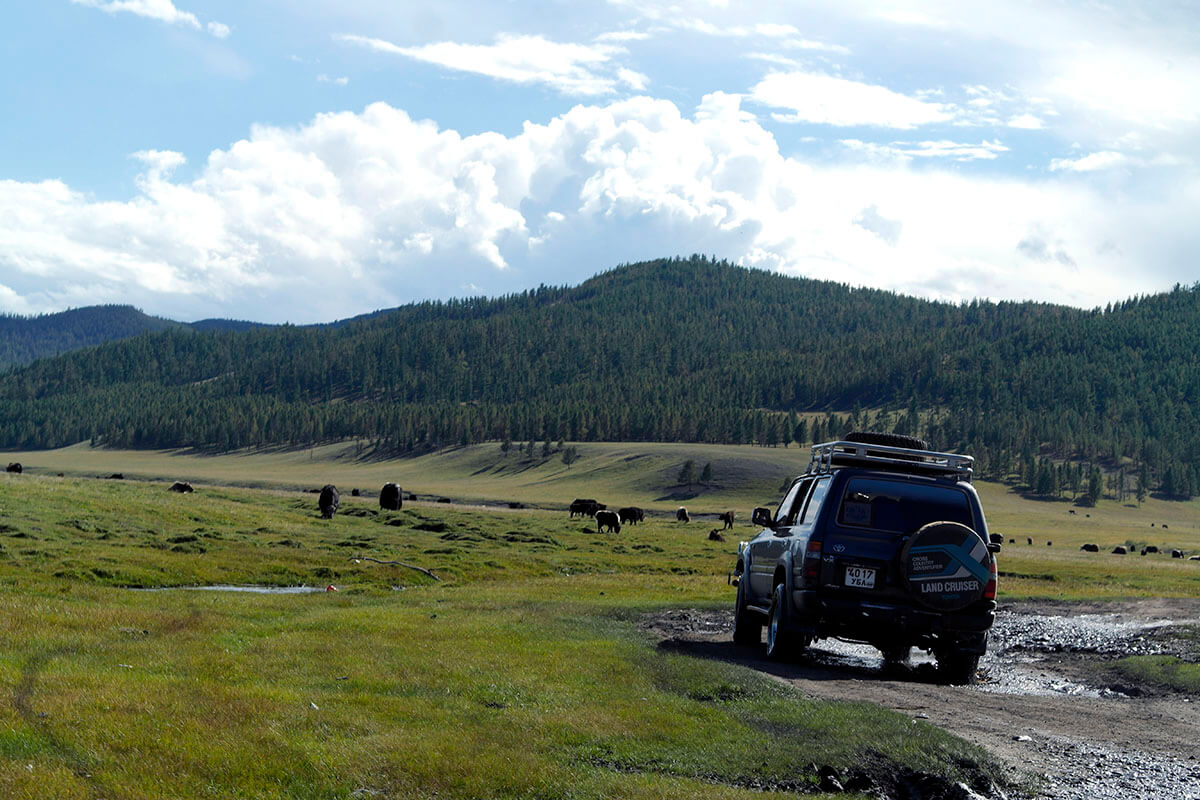
We will spend the day exploring Orkhon Waterfall and its stunning surroundings. The Orkhon Valley is a UNESCO World Heritage Site, home to ancient artifacts dating back to the 6th century and earlier. It was also the site of the Mongol Empire’s capital, Karakorum, from the 12th to 13th centuries, and the region continues to preserve the traditional nomadic way of life.
Geologically, during the Quaternary period, a volcano erupted near the mouth of the Tsagaan Azarga (White Stallion River), and lava flowed down the valley, forming a 10-meter-thick layer of basalt. The Orkhon River cut through this basalt twice, creating a dramatic canyon. The 20-meter-high, 10-meter-wide waterfall marks the start of this canyon. Adventurous travelers may descend into the canyon and swim in the pool at the base of the falls.
Accommodation:
- Ger camp with shared facilities B, L, D
Activities:
- Explore the Orkhon Valley
- Discover the stunning Orkhon Waterfall
- Engage with a nomadic family that breeds horses and yaks
- Enjoy the opportunity for horseback riding
We will spend the day exploring Orkhon Waterfall and its stunning surroundings. The Orkhon Valley is a UNESCO World Heritage Site, home to ancient artifacts dating back to the 6th century and earlier. It was also the site of the Mongol Empire’s capital, Karakorum, from the 12th to 13th centuries, and the region continues to preserve the traditional nomadic way of life.
Geologically, during the Quaternary period, a volcano erupted near the mouth of the Tsagaan Azarga (White Stallion River), and lava flowed down the valley, forming a 10-meter-thick layer of basalt. The Orkhon River cut through this basalt twice, creating a dramatic canyon. The 20-meter-high, 10-meter-wide waterfall marks the start of this canyon. Adventurous travelers may descend into the canyon and swim in the pool at the base of the falls.
Accommodation:
- Ger camp with shared facilities B, L, D
Activities:
- Explore the Orkhon Valley
- Discover the stunning Orkhon Waterfall
- Engage with a nomadic family that breeds horses and yaks
- Enjoy the opportunity for horseback riding
Our cycling adventure comes to a close today as we ride 46 kilometers through the UNESCO-listed Orkhon Valley, from the waterfall to Khujirt Village. Along the way, we’ll pause to explore ancient burial sites. After lunch and some sightseeing, we’ll continue by vehicle to Karakorum.
Accommodation:
- Ger camp B, L, D
Activities:
- Drive 100 km
- Bike 49 km
Karakorum
Our cycling adventure comes to a close today as we ride 46 kilometers through the UNESCO-listed Orkhon Valley, from the waterfall to Khujirt Village. Along the way, we’ll pause to explore ancient burial sites. After lunch and some sightseeing, we’ll continue by vehicle to Karakorum.
Accommodation:
- Ger camp B, L, D
Activities:
- Drive 100 km
- Bike 49 km
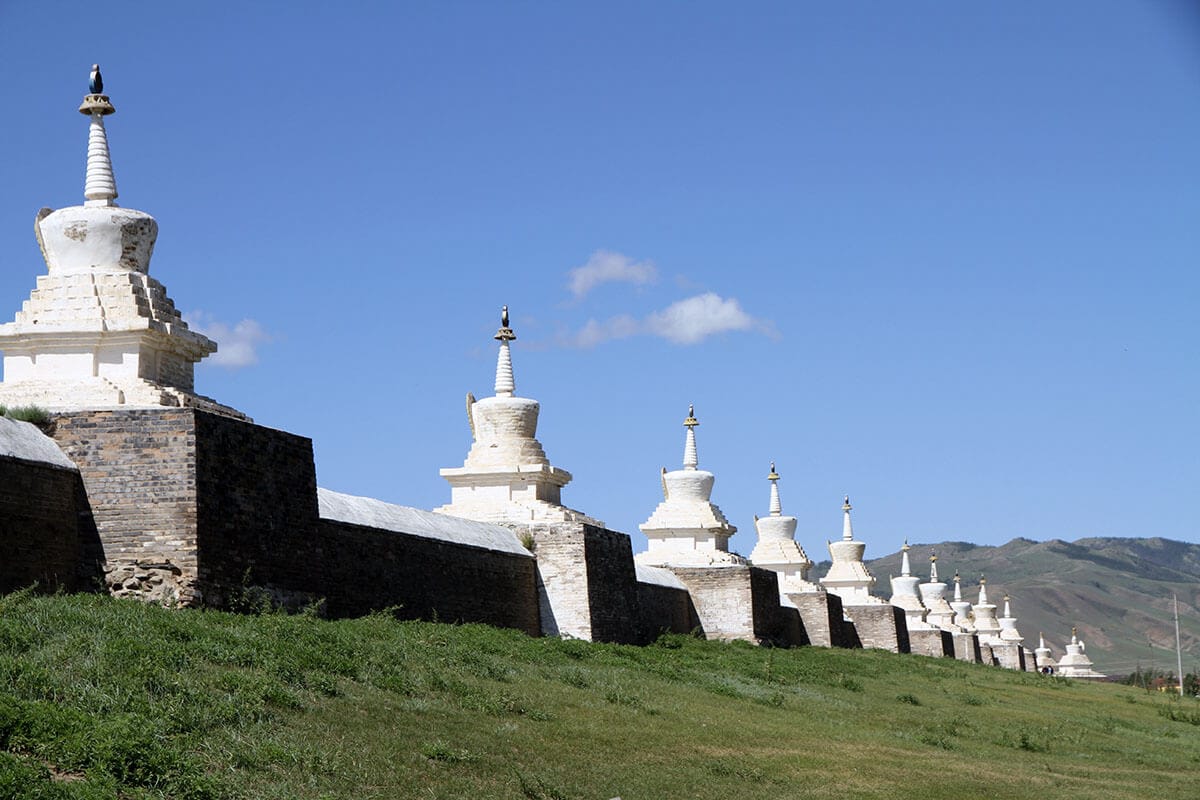
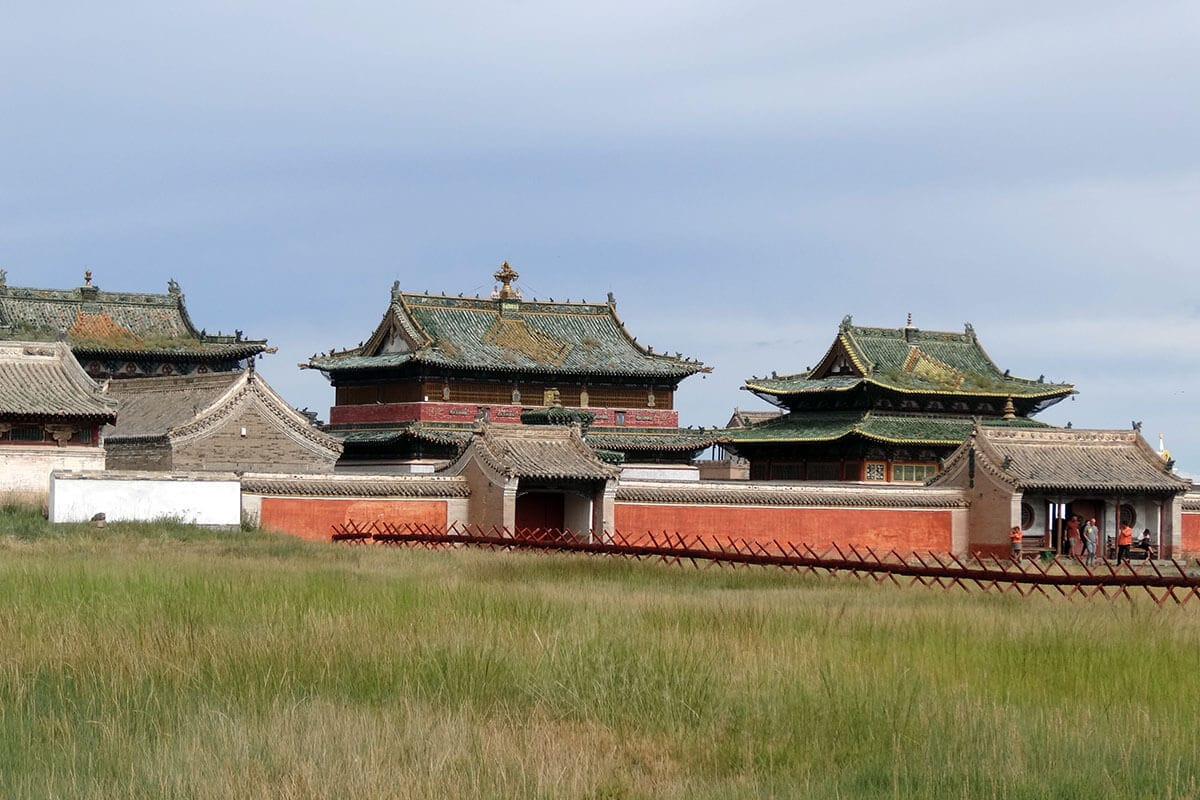
Karakorum was the capital of Genghis Khan’s Mongol Empire in the 13th century, built in 1220 on the ruins of earlier Turug and Uigur settlements. Completed under Ugedei Khan, it was a multicultural hub and symbolized the empire’s political, cultural, and trade influence. The Silver Tree, once part of Möngke Khan’s palace, became an emblem of the city.
From 1220 to 1260, Karakorum flourished as the empire’s heart. After the capital moved to Beijing under Kublai Khan in 1260, Karakorum declined but regained prominence until it was destroyed by Ming troops in 1388. Today, Erdene Zuu Monastery—built in 1588 on the Dalai Lama’s advice—remains the city’s most notable landmark. The monastery, originally comprising 100 temples and over 1,000 lamas, is enclosed by massive 400 × 400 m walls, with three main temples open to visitors: the Dalai Lama Temple, Zuu of Buddha, and Lavrin Temple.
The Karakorum Archaeological Museum displays artifacts from the 13th–14th centuries, including pottery, bronzes, coins, religious sculptures, stone inscriptions, and a half-excavated kiln. Highlights include a scale model of 1250s Karakorum and a Turkic noble tomb with wall paintings, gold objects, and jewels, offering a vivid glimpse into the city’s legendary past.
Accommodation:
- Ger camp with shared facilities. B, L, D
Activities:
- Explore the Erdene Zuu monastery
- Discover the Karakorum Archaeological Museum
Erdene zuu monastery, Karakorum archaeological museum
Karakorum was the capital of Genghis Khan’s Mongol Empire in the 13th century, built in 1220 on the ruins of earlier Turug and Uigur settlements. Completed under Ugedei Khan, it was a multicultural hub and symbolized the empire’s political, cultural, and trade influence. The Silver Tree, once part of Möngke Khan’s palace, became an emblem of the city.
From 1220 to 1260, Karakorum flourished as the empire’s heart. After the capital moved to Beijing under Kublai Khan in 1260, Karakorum declined but regained prominence until it was destroyed by Ming troops in 1388. Today, Erdene Zuu Monastery—built in 1588 on the Dalai Lama’s advice—remains the city’s most notable landmark. The monastery, originally comprising 100 temples and over 1,000 lamas, is enclosed by massive 400 × 400 m walls, with three main temples open to visitors: the Dalai Lama Temple, Zuu of Buddha, and Lavrin Temple.
The Karakorum Archaeological Museum displays artifacts from the 13th–14th centuries, including pottery, bronzes, coins, religious sculptures, stone inscriptions, and a half-excavated kiln. Highlights include a scale model of 1250s Karakorum and a Turkic noble tomb with wall paintings, gold objects, and jewels, offering a vivid glimpse into the city’s legendary past.
Accommodation:
- Ger camp with shared facilities. B, L, D
Activities:
- Explore the Erdene Zuu monastery
- Discover the Karakorum Archaeological Museum
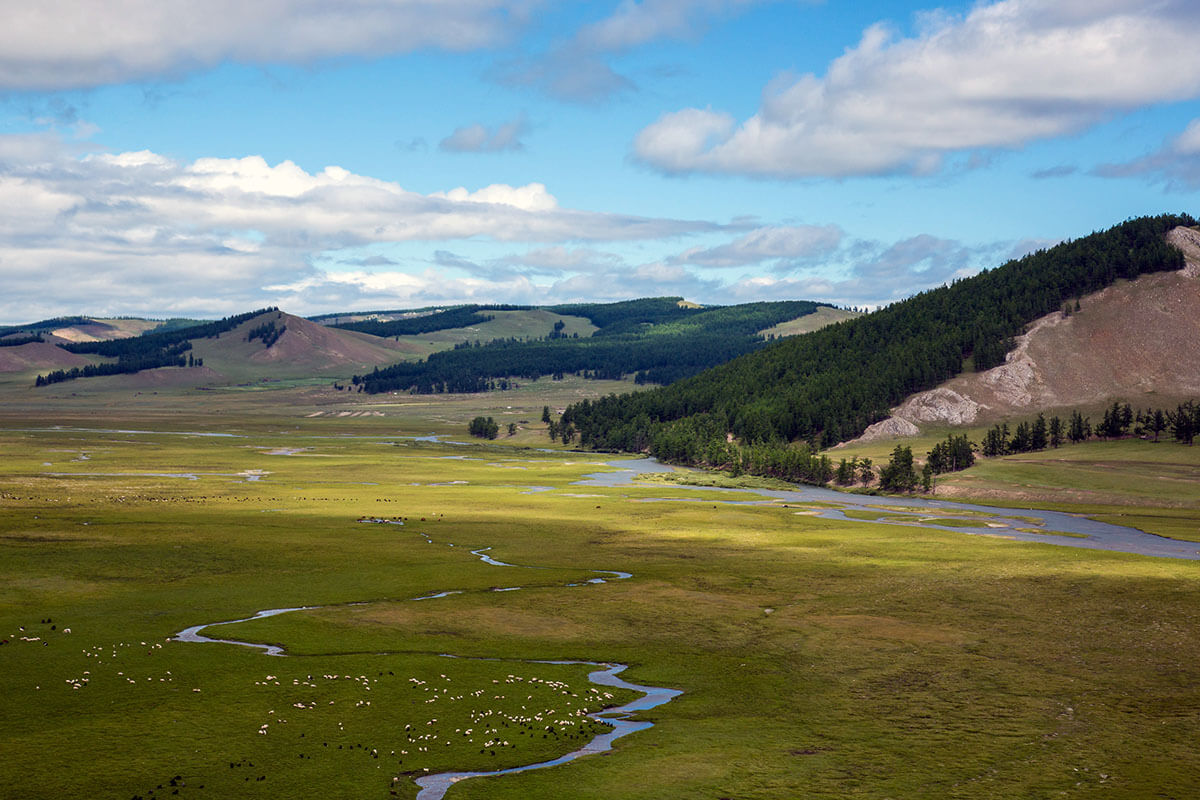
It’s time to depart and drive back to Ulaanbaatar, Mongolia’s capital. You’ll have a free afternoon to explore at your leisure. For a cultural experience, you might enjoy a lively show featuring traditional Mongolian dances and impressive contortionist performances.
Accommodation:
- B, L
Activities:
- Attend a folklore show featuring throat singers
- Shop for souvenir or cashmere. Optional
Drive to Ulaanbaatar
It’s time to depart and drive back to Ulaanbaatar, Mongolia’s capital. You’ll have a free afternoon to explore at your leisure. For a cultural experience, you might enjoy a lively show featuring traditional Mongolian dances and impressive contortionist performances.
Accommodation:
- B, L
Activities:
- Attend a folklore show featuring throat singers
- Shop for souvenir or cashmere. Optional
Similar Tours
Canoeing Orkhon Valley
- Moderate
- 15 days
- 13 / max
Big Loop
- Moderate
- 17 days
- 14 / max
The Secret of Gobi Desert & the Winding Steppes of Mongolia
- Moderate
- 8 days
- 14 / max
Winter national parks
- Moderate
- 3 days
- 14 / max
Naadam Festival
- Easy
- 2 days
- 14 / max
Cradle of Mongolian Civilization
- Moderate
- 5 days
- 14 / max
Camel Trek through Central Mongolian Grasslands
- Moderate
- 6 days
- 14 / max
Into the Wild: Trekking to Khagiin Khar Lake
- Challenge
- 8 days
- 14 / max
Adventure into Nature: Trekking the Eight Lakes & Orkhon valley
- Challenge
- 9 days
- 13 / max
Discovering Central and Northern Mongolia
- Moderate
- 12 days
- 14 / max