Tour Highlights:
• Orkhon Valley (UNESCO World Heritage Site): Birthplace of nomadic empires, ancient ruins, and petroglyphs.
• Kharkhorin (Karakorum): Former capital of the Mongol Empire, with Erdene Zuu Monastery, Mongolia’s first Buddhist monastery.
• Khustai National Park: Home of the reintroduced Przewalski’s wild horses (Takhi).
• Khorgo-Terkhiin Tsagaan Lake National Park: Volcanic landscapes, lava fields, and the scenic White Lake.
• Ugii Lake: Birdwatching paradise and a peaceful freshwater lake.
• Elsen Tasarkhai Sand Dunes: Small but beautiful stretch of desert-like dunes surrounded by steppe and mountains.
• Tsenkher Hot Springs: Natural hot spring resort in forested valleys.
• Tuvkhun Monastery: Important Buddhist centers with spiritual and historical significance.
• Nomadic Lifestyle Experience: Staying with herder families, riding horses, and learning about traditional culture.
Karakorum
Orkhon valley and waterfall
Tovkhon monastery & Tsenkher Hot Spring
Khorgo - Terkhiin Tsagaan Nuur National Park
Khorgo - Terkhiin Tsagaan Nuur National Park
Ugii Lake and Turkish Monuments
Khogno Khan Mountains and Elsen Tasarkhai
Khustai National Park
Genghis Khan Statue & Gorkhi-Terelj National Park
Ulaanbaatar

Day To Day Itinerary
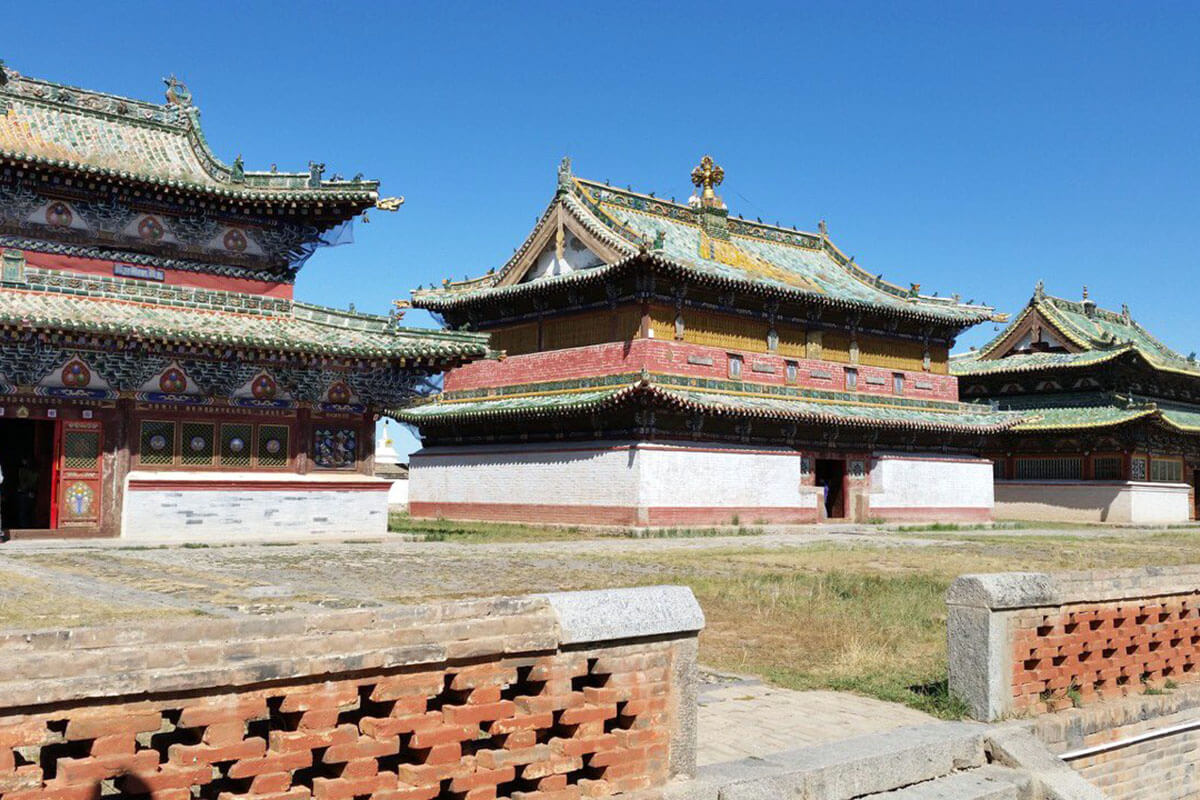
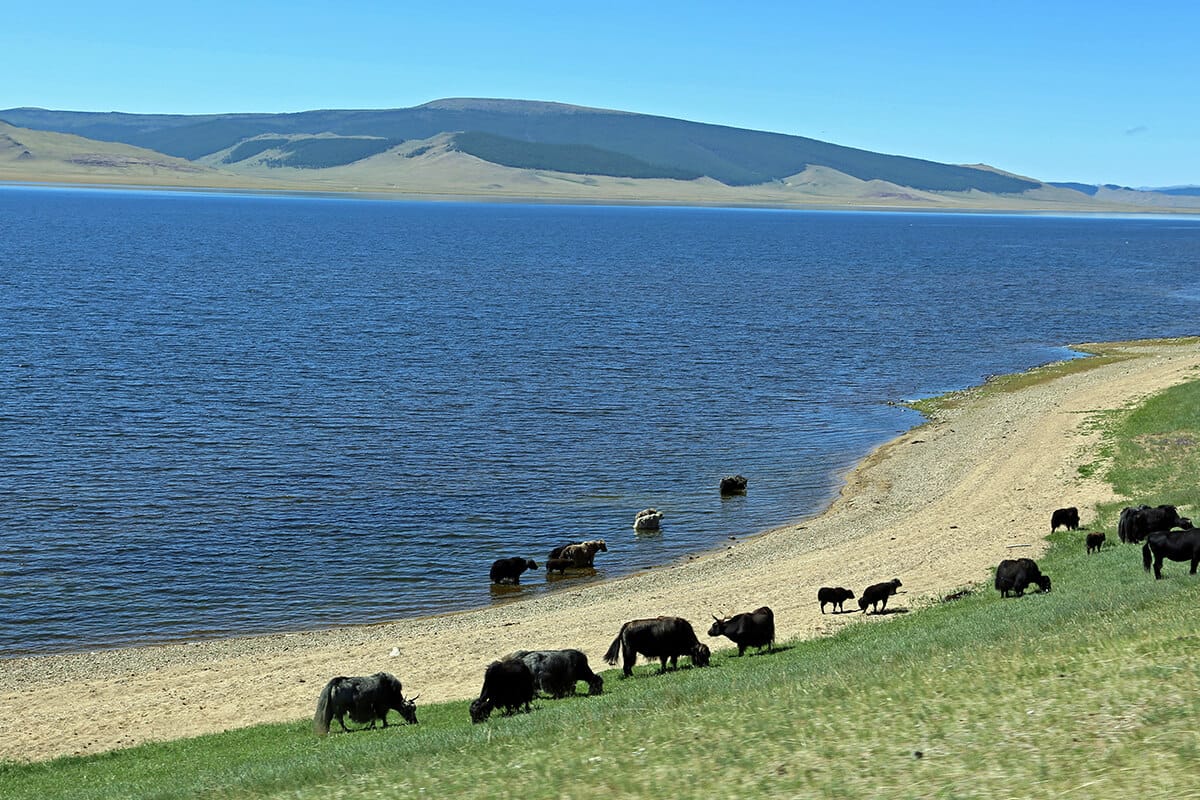
Today, we explore Karakorum, the capital of Genghis Khan's Mongolian Empire in the 13th century. Established in 1220 on the ruins of Turug and Uigur cities in the Orkhon Valley, it was completed 15 years later under Ugedei Khan, known for its multiculturalism. The silver tree from Möngke Khan’s palace became a symbol of the city, which thrived from 1220 to 1260 as a political, trade, and cultural hub. However, from 1260 to 1380, it lost its capital status when Kublai Khan moved the capital to Beijing, reducing Karakorum to an administrative center in the Yuan Dynasty. After the Mongolian Yuan Dynasty collapsed in 1368, the government returned to Mongolia, allowing Karakorum to regain some significance. However, in 1388, Ming troops destroyed the town, leaving no trace of it. In 1580, Abtai Sain Khan and Lord Tumenkhen sought the 3rd Dalai Lama's counsel on building a temple, leading to the restoration of the Main Zuu temple in Erdene Zuu monastery in 1588.
Erdene Zuu Monastery, once a large complex with 100 temples and over 1,000 lamas, now comprises three remaining temples: Dalai Lama, Zuu of Buddha, and Lavrin Temple, all within 400 m X 400 m walls. Visitors can explore the monastery grounds.
The Karakorum Archaeological Museum, though small, features a well-designed space with good lighting and clear English labels. It showcases hundreds of artifacts from the 13th and 14th centuries, as well as prehistoric tools, pottery, bronzes, coins, religious sculptures, and stone inscriptions from various archaeological sites.
A half-excavated kiln is set into the museum floor, alongside a scale model of ancient Karakorum from the 1250s, inspired by William of Rubruck's descriptions. Another chamber features a Turkic noble tomb with wall paintings, gold objects, and jewels, accompanied by a short video of the burial site.
You can also visit the Turtle Rock and the Phallic Rock, as well as a small market that showcases local artists’ work.
- Explore the Erdene Zuu monastery
- Discover the Karakorum Archaeological Museum
Karakorum
Today, we explore Karakorum, the capital of Genghis Khan's Mongolian Empire in the 13th century. Established in 1220 on the ruins of Turug and Uigur cities in the Orkhon Valley, it was completed 15 years later under Ugedei Khan, known for its multiculturalism. The silver tree from Möngke Khan’s palace became a symbol of the city, which thrived from 1220 to 1260 as a political, trade, and cultural hub. However, from 1260 to 1380, it lost its capital status when Kublai Khan moved the capital to Beijing, reducing Karakorum to an administrative center in the Yuan Dynasty. After the Mongolian Yuan Dynasty collapsed in 1368, the government returned to Mongolia, allowing Karakorum to regain some significance. However, in 1388, Ming troops destroyed the town, leaving no trace of it. In 1580, Abtai Sain Khan and Lord Tumenkhen sought the 3rd Dalai Lama's counsel on building a temple, leading to the restoration of the Main Zuu temple in Erdene Zuu monastery in 1588.
Erdene Zuu Monastery, once a large complex with 100 temples and over 1,000 lamas, now comprises three remaining temples: Dalai Lama, Zuu of Buddha, and Lavrin Temple, all within 400 m X 400 m walls. Visitors can explore the monastery grounds.
The Karakorum Archaeological Museum, though small, features a well-designed space with good lighting and clear English labels. It showcases hundreds of artifacts from the 13th and 14th centuries, as well as prehistoric tools, pottery, bronzes, coins, religious sculptures, and stone inscriptions from various archaeological sites.
A half-excavated kiln is set into the museum floor, alongside a scale model of ancient Karakorum from the 1250s, inspired by William of Rubruck's descriptions. Another chamber features a Turkic noble tomb with wall paintings, gold objects, and jewels, accompanied by a short video of the burial site.
You can also visit the Turtle Rock and the Phallic Rock, as well as a small market that showcases local artists’ work.
- Explore the Erdene Zuu monastery
- Discover the Karakorum Archaeological Museum

Today, we’ll journey west into the Orkhon Valley, where the Orkhon River winds through a landscape rich in history and natural beauty. Recognized as a UNESCO World Cultural Heritage site, the valley is home to ancient relics that date as far back as the 6th century and earlier. It was also the site of Karakorum, the capital of the great Mongol Empire during the 12th and 13th centuries. The traditional nomadic lifestyle continues to thrive here, preserving a way of life deeply connected to both history and nature. During the Quaternary period, a volcanic eruption near the mouth of the Tsagaan Azarga, or White Stallion River, sent lava flowing down the valley, forming a basalt layer around 10 meters thick. Over time, the Orkhon River carved through this basalt not once, but twice shaping the dramatic canyon we see today.
- Explore the Orkhon Valley
- Discover the stunning Orkhon Waterfall
- Engage with a nomadic family that breeds horses and yaks
- Enjoy the opportunity for horseback riding
Orkhon valley and waterfall
Today, we’ll journey west into the Orkhon Valley, where the Orkhon River winds through a landscape rich in history and natural beauty. Recognized as a UNESCO World Cultural Heritage site, the valley is home to ancient relics that date as far back as the 6th century and earlier. It was also the site of Karakorum, the capital of the great Mongol Empire during the 12th and 13th centuries. The traditional nomadic lifestyle continues to thrive here, preserving a way of life deeply connected to both history and nature. During the Quaternary period, a volcanic eruption near the mouth of the Tsagaan Azarga, or White Stallion River, sent lava flowing down the valley, forming a basalt layer around 10 meters thick. Over time, the Orkhon River carved through this basalt not once, but twice shaping the dramatic canyon we see today.
- Explore the Orkhon Valley
- Discover the stunning Orkhon Waterfall
- Engage with a nomadic family that breeds horses and yaks
- Enjoy the opportunity for horseback riding
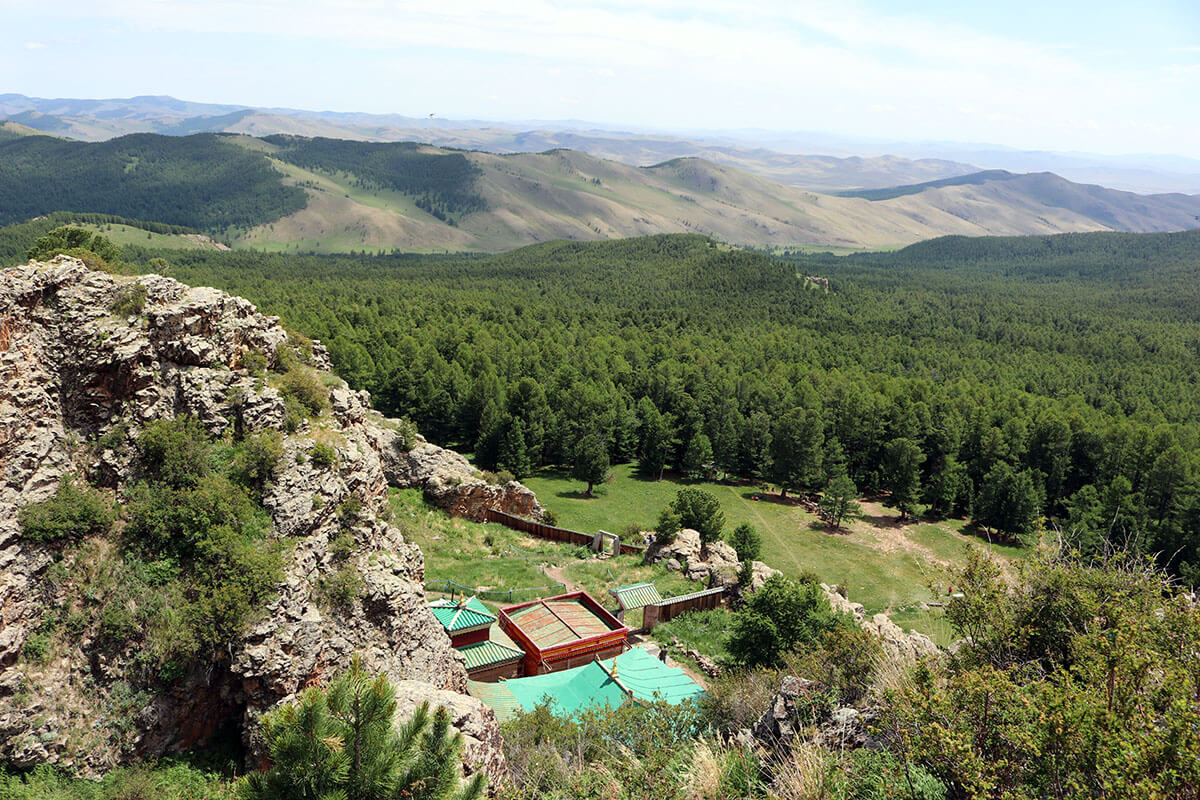
Tovkhon Monastery, established in the 1650s by Zanabazar—one of Mongolia’s most revered spiritual figures—is a serene retreat nestled near a hilltop. Its wooden buildings blend seamlessly with a network of natural caves, offering sweeping views of the Orkhon Valley and surrounding pine forests. At the summit, a sacred stone cairn known as an Ovoo stands in tribute to the mountain god, adding spiritual significance to the site.
Following our visit, we’ll continue our journey westward into the majestic Khangai Mountains. These ancient peaks, reaching elevations between 2,500 and 3,000 meters, are primarily formed from Paleozoic granite, intrusive chert, and sandstone. Stretching roughly 800 kilometers from Zavkhan to Tuv provinces, the Khangai range acts as a continental divide, shaping the flow of the world’s water systems.
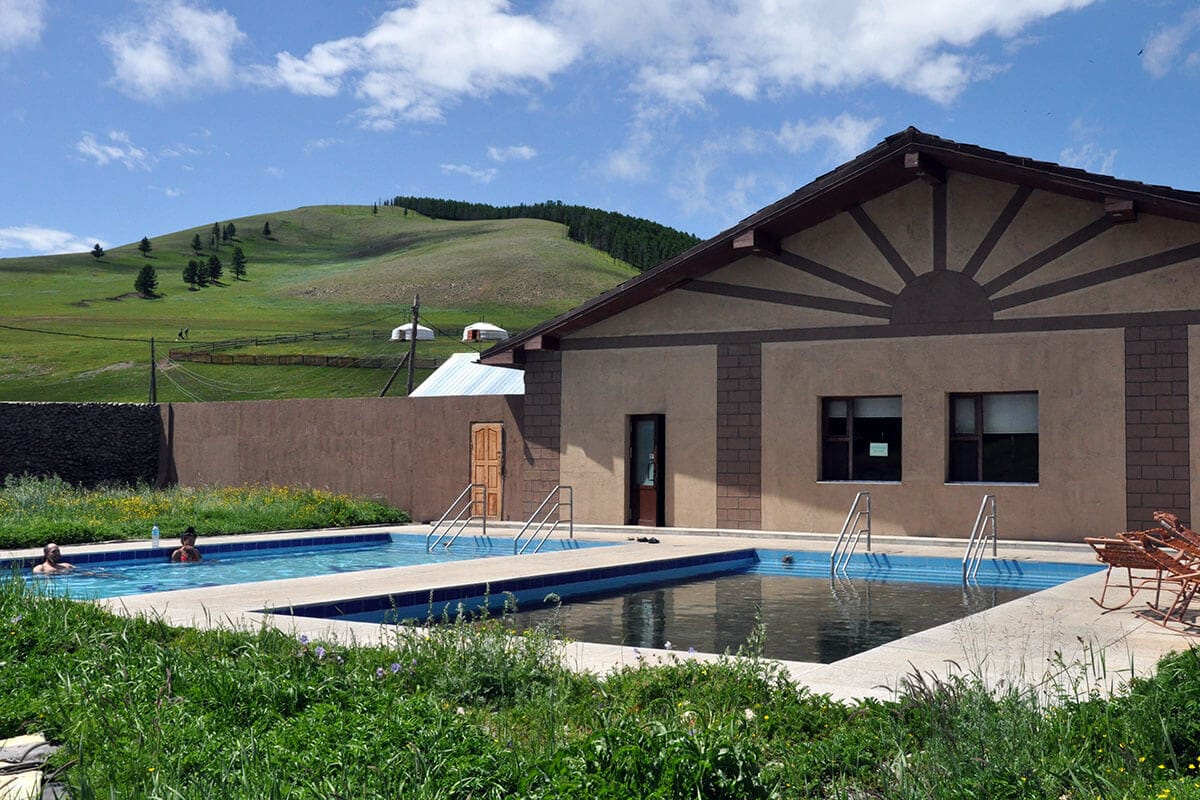
By evening, we’ll arrive at the Tsenkher Hot Spring resort, home to a large open-air pool fed by natural springs that remain over 80°C. An advanced pipeline system ensures a comfortable soaking temperature, making it the perfect place to unwind. Guests can relax in the warm waters under the stars, enjoying the peaceful ambiance and sharing stories amidst the serene nightscape.
- Hike 7 km to Tovkhon Monastery, which takes approximately 3 to 4 hours.
- Unwind at the hot spring spa (don’t forget to bring your swimsuits).
Tovkhon monastery & Tsenkher Hot Spring
Tovkhon Monastery, established in the 1650s by Zanabazar—one of Mongolia’s most revered spiritual figures—is a serene retreat nestled near a hilltop. Its wooden buildings blend seamlessly with a network of natural caves, offering sweeping views of the Orkhon Valley and surrounding pine forests. At the summit, a sacred stone cairn known as an Ovoo stands in tribute to the mountain god, adding spiritual significance to the site.
Following our visit, we’ll continue our journey westward into the majestic Khangai Mountains. These ancient peaks, reaching elevations between 2,500 and 3,000 meters, are primarily formed from Paleozoic granite, intrusive chert, and sandstone. Stretching roughly 800 kilometers from Zavkhan to Tuv provinces, the Khangai range acts as a continental divide, shaping the flow of the world’s water systems.
By evening, we’ll arrive at the Tsenkher Hot Spring resort, home to a large open-air pool fed by natural springs that remain over 80°C. An advanced pipeline system ensures a comfortable soaking temperature, making it the perfect place to unwind. Guests can relax in the warm waters under the stars, enjoying the peaceful ambiance and sharing stories amidst the serene nightscape.
- Hike 7 km to Tovkhon Monastery, which takes approximately 3 to 4 hours.
- Unwind at the hot spring spa (don’t forget to bring your swimsuits).
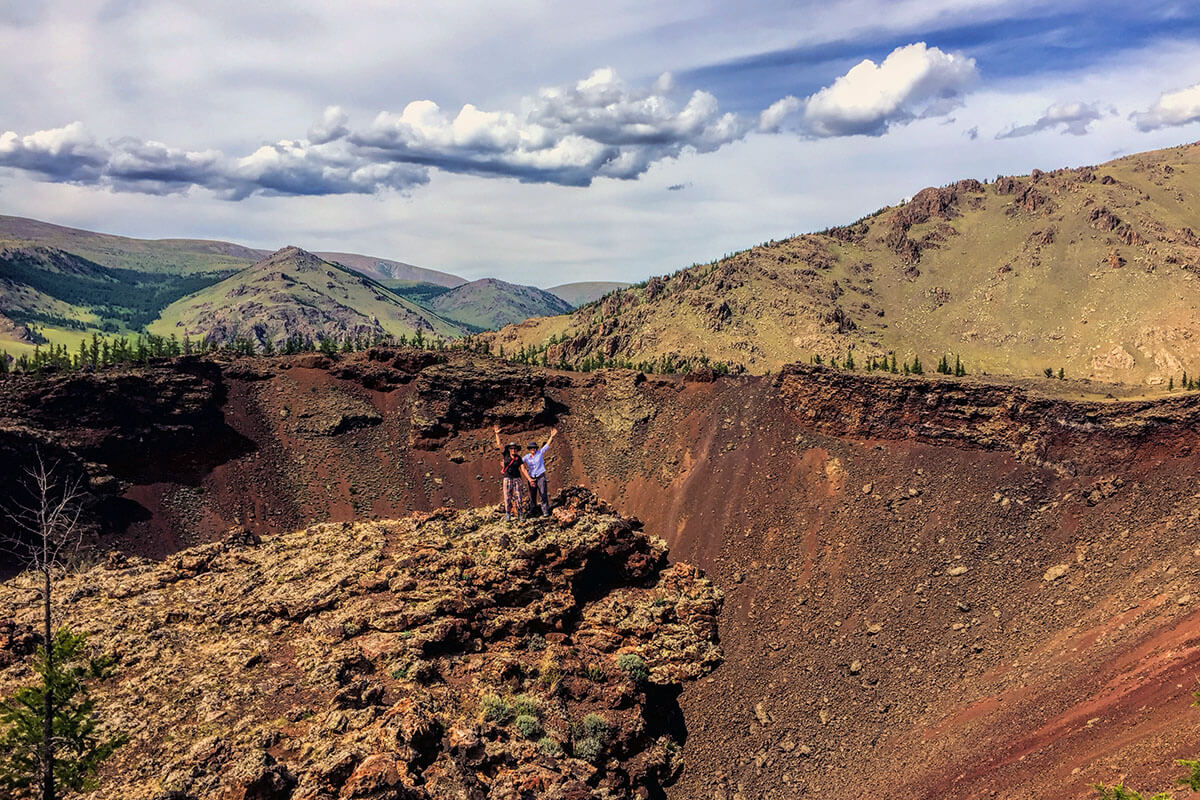
We’ll arrive in the town of Tsetserleg in the morning and begin our day with a visit to a local museum showcasing Mongolian traditions and Buddhism from the early 1800s. Once a prominent Buddhist temple, the building was dismantled during the Soviet era but has since been preserved as a monastery-museum, offering a unique glimpse into Mongolia’s cultural and spiritual heritage.
After exploring the museum, we’ll continue our journey to the breathtaking Terkhiin Tsagaan Lake. Formed by lava flows from an ancient volcanic eruption, the lake is surrounded by extinct volcanic craters and dramatic black lava rock formations. Stretching about 15 kilometers in length and reaching depths of up to 20 meters, the lake is one of Mongolia’s natural treasures. The surrounding landscape, with its rolling hills and a mix of steppe and woodland steppe vegetation, creates a truly picturesque and serene atmosphere.
- Explore Tsetserleg Town
- Discover the Zayiin Gegee Museum
- Experience Terkhiin Tsagaan Nuur Lake
Khorgo - Terkhiin Tsagaan Nuur National Park
We’ll arrive in the town of Tsetserleg in the morning and begin our day with a visit to a local museum showcasing Mongolian traditions and Buddhism from the early 1800s. Once a prominent Buddhist temple, the building was dismantled during the Soviet era but has since been preserved as a monastery-museum, offering a unique glimpse into Mongolia’s cultural and spiritual heritage.
After exploring the museum, we’ll continue our journey to the breathtaking Terkhiin Tsagaan Lake. Formed by lava flows from an ancient volcanic eruption, the lake is surrounded by extinct volcanic craters and dramatic black lava rock formations. Stretching about 15 kilometers in length and reaching depths of up to 20 meters, the lake is one of Mongolia’s natural treasures. The surrounding landscape, with its rolling hills and a mix of steppe and woodland steppe vegetation, creates a truly picturesque and serene atmosphere.
- Explore Tsetserleg Town
- Discover the Zayiin Gegee Museum
- Experience Terkhiin Tsagaan Nuur Lake
Terkhiin Tsagaan Lake offers the perfect setting for a relaxing day. In the morning, we’ll set out on an excursion to the summit of Khorgo Uul Volcano, located about 4 kilometers from the lake. This impressive volcanic peak features a crater approximately 200 meters wide and 100 meters deep, framed by trees around its rim and back.
South of Khorgo, you’ll encounter fascinating basalt formations known as “Gers,” created as lava cooled and solidified. Some of these natural structures include openings and door-like features, standing over 1.7 meters high. We’ll also visit the Single Man Cave—a modest-looking entrance that leads into a surprisingly spacious interior.
The afternoon is yours to enjoy optional activities, such as trekking through scenic valleys, boating or swimming in the lake, horseback riding, or visiting a local nomadic family for a deeper cultural experience.
- Hike to the Khorgo extinct volcano
- Possibility of optional horseback riding
Khorgo - Terkhiin Tsagaan Nuur National Park
Terkhiin Tsagaan Lake offers the perfect setting for a relaxing day. In the morning, we’ll set out on an excursion to the summit of Khorgo Uul Volcano, located about 4 kilometers from the lake. This impressive volcanic peak features a crater approximately 200 meters wide and 100 meters deep, framed by trees around its rim and back.
South of Khorgo, you’ll encounter fascinating basalt formations known as “Gers,” created as lava cooled and solidified. Some of these natural structures include openings and door-like features, standing over 1.7 meters high. We’ll also visit the Single Man Cave—a modest-looking entrance that leads into a surprisingly spacious interior.
The afternoon is yours to enjoy optional activities, such as trekking through scenic valleys, boating or swimming in the lake, horseback riding, or visiting a local nomadic family for a deeper cultural experience.
- Hike to the Khorgo extinct volcano
- Possibility of optional horseback riding
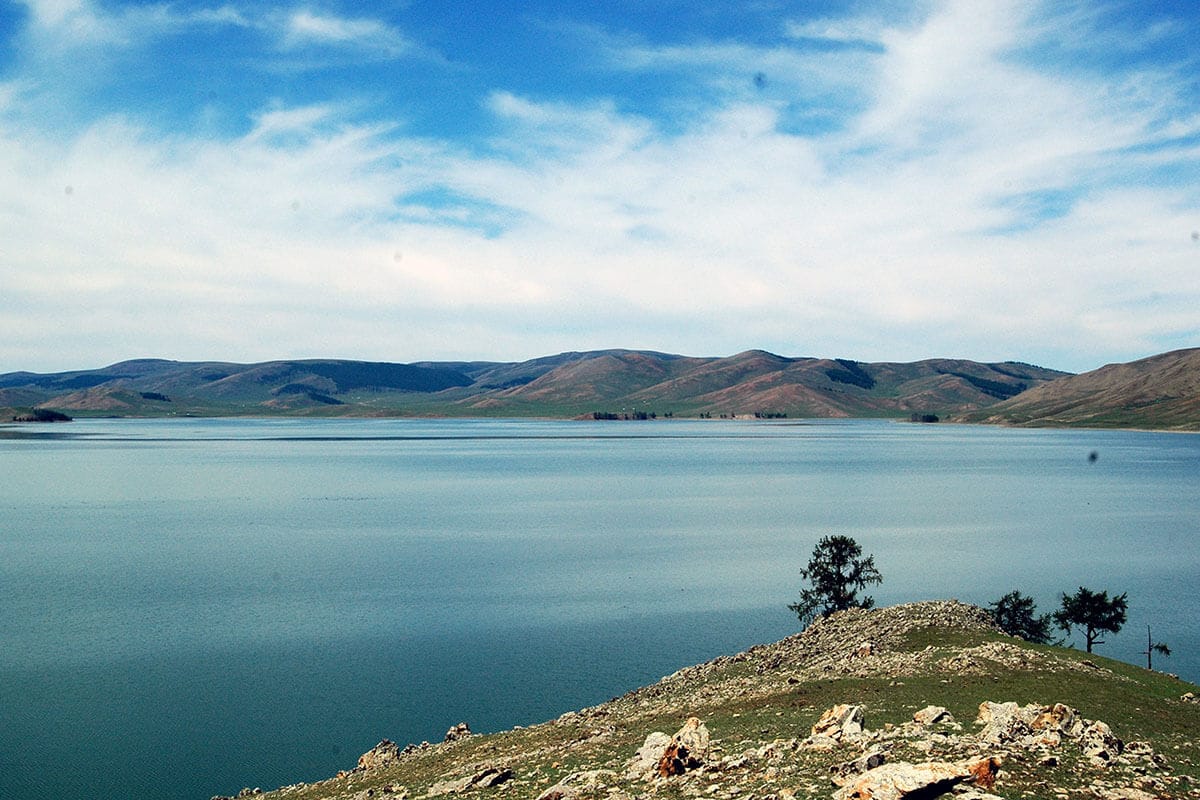
Today we will arrive at Ugii Lake in the afternoon, a tiny but beautiful lake situated 1,337 meters above sea level. It spans 25 square kilometers and is teeming with perch and pike. There have been sightings of Swan Goose, White Spoonbill, and Dalmatian Pelican. We will visit the Orkhon Inscriptions, also known as the Turkish Monuments. These 8th-century stone steles, carved in Old Turkic script, honor Bilge Khagan and his brother Kül Tegin. The inscriptions recount the Göktürks’ history, wars, and revival, highlighting unity and loyalty. They form part of the UNESCO-listed Orkhon Valley Cultural Landscape.
- Birdwatching and nature viewing
- Boating & swimming
- Hiking & scenic walking
- Visit the Turkish monument with runic inscriptions
Ugii Lake and Turkish Monuments
Today we will arrive at Ugii Lake in the afternoon, a tiny but beautiful lake situated 1,337 meters above sea level. It spans 25 square kilometers and is teeming with perch and pike. There have been sightings of Swan Goose, White Spoonbill, and Dalmatian Pelican. We will visit the Orkhon Inscriptions, also known as the Turkish Monuments. These 8th-century stone steles, carved in Old Turkic script, honor Bilge Khagan and his brother Kül Tegin. The inscriptions recount the Göktürks’ history, wars, and revival, highlighting unity and loyalty. They form part of the UNESCO-listed Orkhon Valley Cultural Landscape.
- Birdwatching and nature viewing
- Boating & swimming
- Hiking & scenic walking
- Visit the Turkish monument with runic inscriptions

Today, we are heading to Khogno Khan National Park. We will embark on a trek through the Khogno Khan Mountains, culminating in a hike to enjoy breathtaking views of the hills, sand dunes, and grasslands. Additionally, we’ll explore the beautiful Ovgon Monastery.
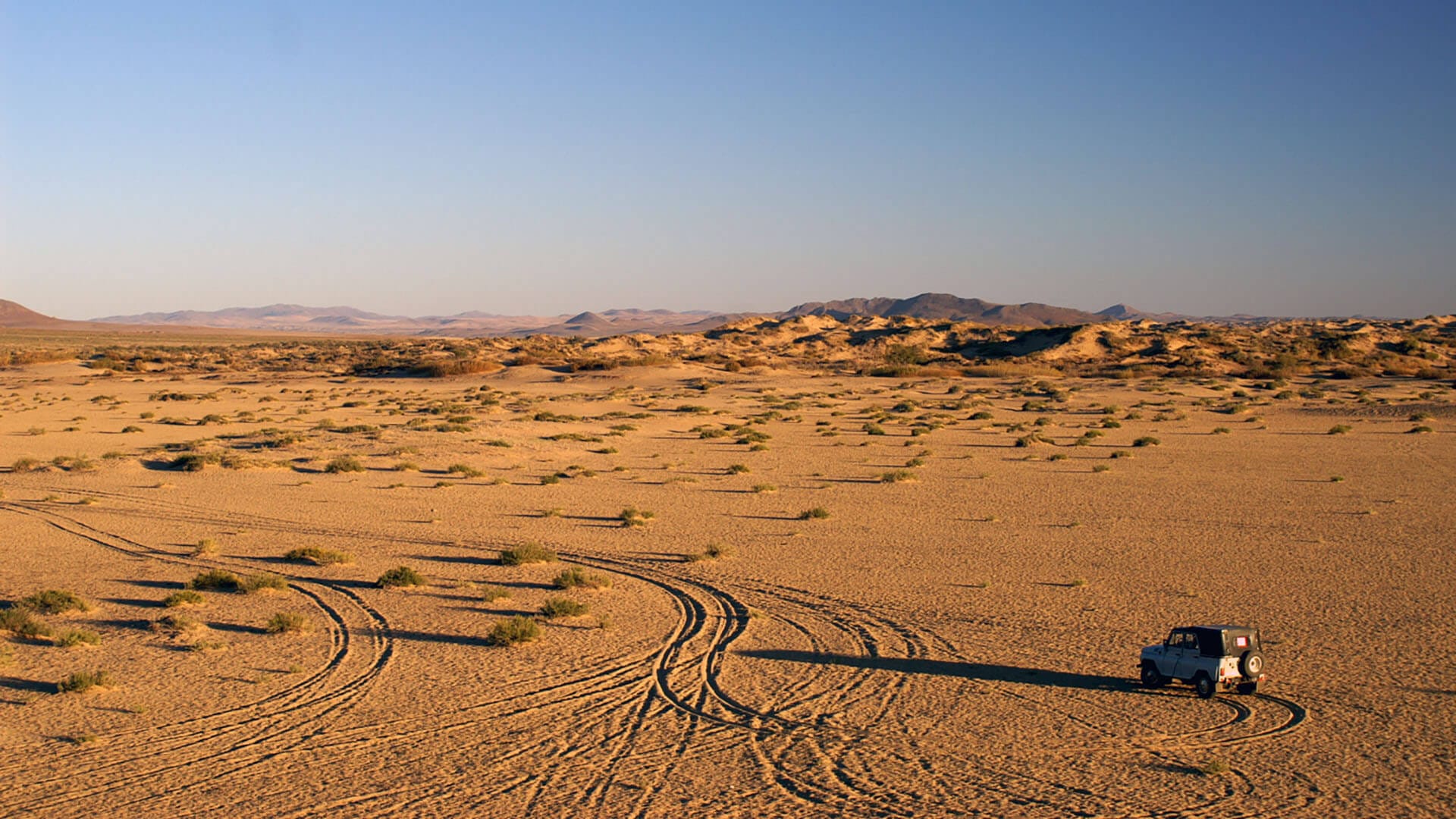
The Elsen Tasarkhai Sand Dune, affectionately referred to as Little Gobi, stretches for 100 kilometers.
- Explore Elsen Tasarkhai sand dunes
- Discover Khogno Khan mountain
- Visit Ovgon monastery
- Meet a camel breeding family
- Opportunity for camel riding
Khogno Khan Mountains and Elsen Tasarkhai
Today, we are heading to Khogno Khan National Park. We will embark on a trek through the Khogno Khan Mountains, culminating in a hike to enjoy breathtaking views of the hills, sand dunes, and grasslands. Additionally, we’ll explore the beautiful Ovgon Monastery.
The Elsen Tasarkhai Sand Dune, affectionately referred to as Little Gobi, stretches for 100 kilometers.
- Explore Elsen Tasarkhai sand dunes
- Discover Khogno Khan mountain
- Visit Ovgon monastery
- Meet a camel breeding family
- Opportunity for camel riding
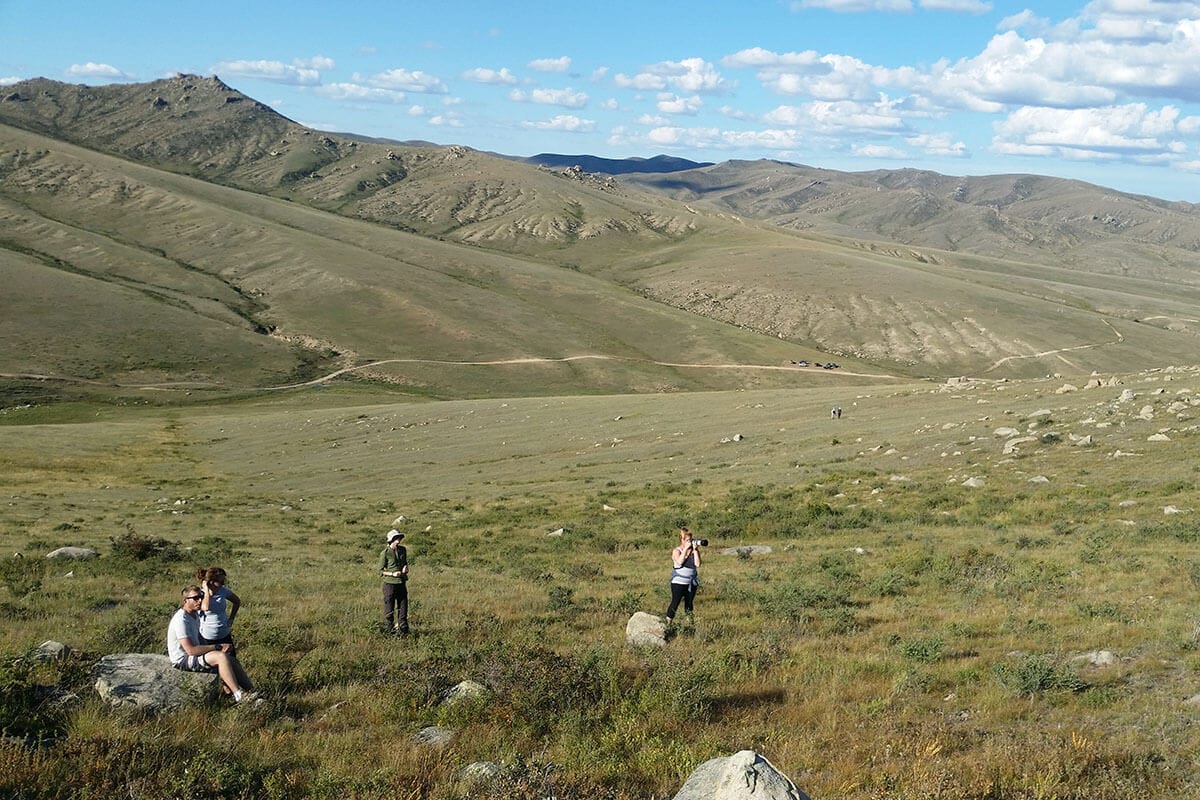
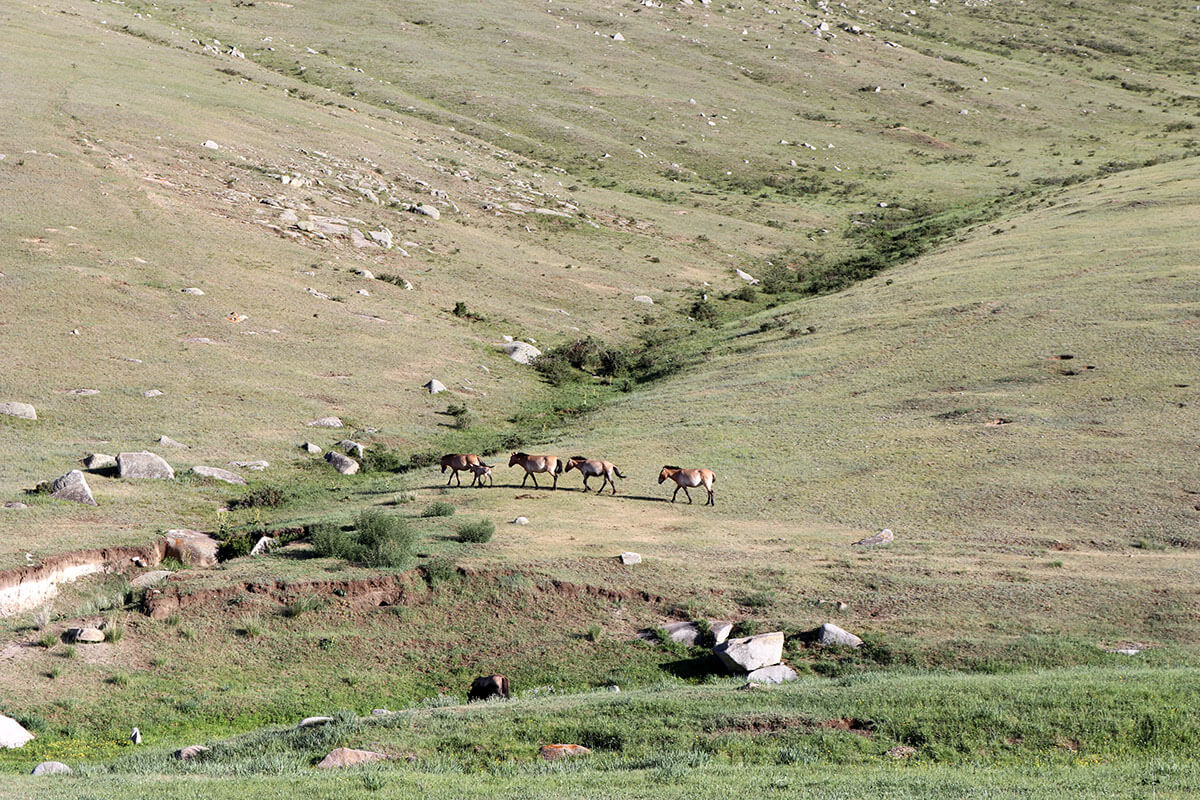
Today, we will journey to Khustain Nuruu National Park. The Przewalski's Horse, also known as the Takhi horse, is a rare and endangered wild horse subspecies native to the steppes of Central Asia. Once extinct in the wild, it has been reintroduced to its natural habitat in Mongolia. Khustain Nuruu National Park was established as a reserve in 1993 and was elevated to national park status in 1998. Currently, the park is home to approximately 350 Takhi horses, along with 459 vascular plant species and 217 bird species.
Upon our arrival at the Khustain Nuruu National Park camp, we will meet the park staff and learn about their ongoing projects. In the afternoon, we will explore the park's stunning natural wonders.
- Explore Khustai national park
- Catch a glimpse the wild horses
- Observe wild animals: deer, marmot
- Visit deer stones dating from 2000 BC
Khustai National Park
Today, we will journey to Khustain Nuruu National Park. The Przewalski's Horse, also known as the Takhi horse, is a rare and endangered wild horse subspecies native to the steppes of Central Asia. Once extinct in the wild, it has been reintroduced to its natural habitat in Mongolia. Khustain Nuruu National Park was established as a reserve in 1993 and was elevated to national park status in 1998. Currently, the park is home to approximately 350 Takhi horses, along with 459 vascular plant species and 217 bird species.
Upon our arrival at the Khustain Nuruu National Park camp, we will meet the park staff and learn about their ongoing projects. In the afternoon, we will explore the park's stunning natural wonders.
- Explore Khustai national park
- Catch a glimpse the wild horses
- Observe wild animals: deer, marmot
- Visit deer stones dating from 2000 BC

We will depart from Ulaanbaatar early in the morning, heading towards Terelj National Park, which lies 70 km from the capital. Our journey will take us through a valley surrounded by lush, forested hills and breathtaking granite cliffs. The valley is adorned with vibrant wildflowers and is home to herds of peacefully grazing yaks, horses, goats, and sheep. This picturesque park, featuring granite rocks, pine trees, and a flowing river, is an ideal spot for hiking, horseback riding or simply unwinding and soaking in the views. We will explore several sites in the area.
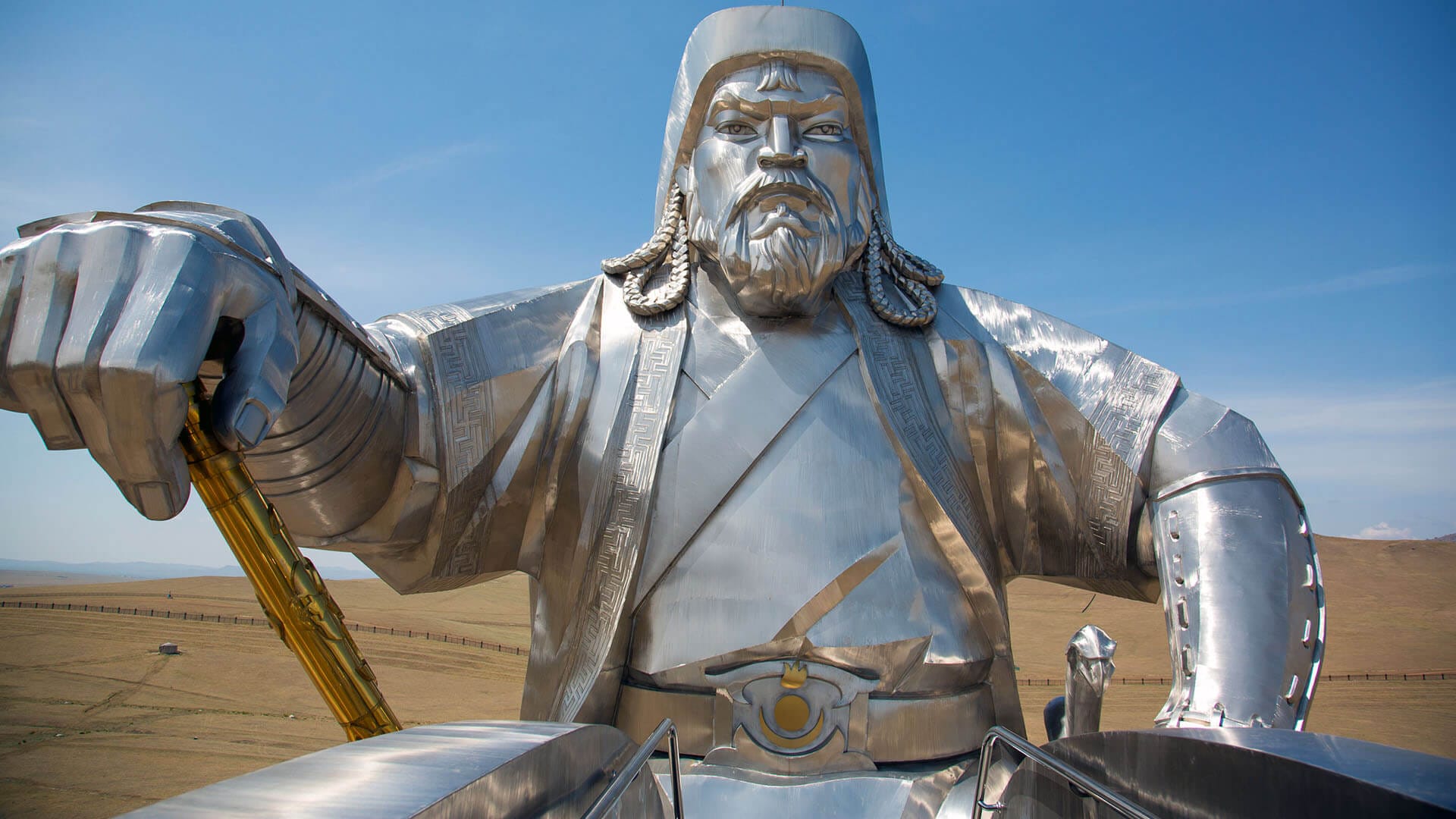
Our first stop will be the Genghis Khan Monument, an impressive aluminium statue of Genghis Khan on horseback. Visitors can climb to the top of the monument for stunning panoramic views of the surrounding landscape. Additionally, a small museum offers a comprehensive overview of the Great Mongol Empire's history, including the lineage of the great Khans and their conquests. We will also visit Turtle Rock and the Aryaval Monastery, a serene meditation temple located at the mountain's base, where there are excellent opportunities for hiking, climbing, and horseback riding.
- Explore the Genghis khan statue
- Discover the Aryapal monastery
- Check out Turtle rock
- Opportunity for horseback riding
Genghis Khan Statue & Gorkhi-Terelj National Park
We will depart from Ulaanbaatar early in the morning, heading towards Terelj National Park, which lies 70 km from the capital. Our journey will take us through a valley surrounded by lush, forested hills and breathtaking granite cliffs. The valley is adorned with vibrant wildflowers and is home to herds of peacefully grazing yaks, horses, goats, and sheep. This picturesque park, featuring granite rocks, pine trees, and a flowing river, is an ideal spot for hiking, horseback riding or simply unwinding and soaking in the views. We will explore several sites in the area.
Our first stop will be the Genghis Khan Monument, an impressive aluminium statue of Genghis Khan on horseback. Visitors can climb to the top of the monument for stunning panoramic views of the surrounding landscape. Additionally, a small museum offers a comprehensive overview of the Great Mongol Empire's history, including the lineage of the great Khans and their conquests. We will also visit Turtle Rock and the Aryaval Monastery, a serene meditation temple located at the mountain's base, where there are excellent opportunities for hiking, climbing, and horseback riding.
- Explore the Genghis khan statue
- Discover the Aryapal monastery
- Check out Turtle rock
- Opportunity for horseback riding
It’s time to depart and head back to Ulaanbaatar, the capital of Mongolia. The afternoon is yours to explore at your leisure. Later, you’ll enjoy a mesmerizing cultural performance, featuring skilled contortionists, powerful throat singers, and vibrant traditional dances that capture the essence of Mongolia’s rich cultural heritage.
- Attend a folklore show featuring throat singers
- Shop for souvenir or cashmere.
Ulaanbaatar
It’s time to depart and head back to Ulaanbaatar, the capital of Mongolia. The afternoon is yours to explore at your leisure. Later, you’ll enjoy a mesmerizing cultural performance, featuring skilled contortionists, powerful throat singers, and vibrant traditional dances that capture the essence of Mongolia’s rich cultural heritage.
- Attend a folklore show featuring throat singers
- Shop for souvenir or cashmere.
Similar Tours
Canoeing Orkhon Valley
- Moderate
- 15 days
- 13 / max
Big Loop
- Moderate
- 17 days
- 14 / max
The Secret of Gobi Desert & the Winding Steppes of Mongolia
- Moderate
- 8 days
- 14 / max
Winter national parks
- Moderate
- 3 days
- 14 / max
Naadam Festival
- Easy
- 2 days
- 14 / max
Cradle of Mongolian Civilization
- Moderate
- 5 days
- 14 / max
Camel Trek through Central Mongolian Grasslands
- Moderate
- 6 days
- 14 / max
Into the Wild: Trekking to Khagiin Khar Lake
- Challenge
- 8 days
- 14 / max
Adventure into Nature: Trekking the Eight Lakes & Orkhon valley
- Challenge
- 9 days
- 13 / max
Discovering Central and Northern Mongolia
- Moderate
- 12 days
- 14 / max