Tour Highlights:
Camel Trekking: Ride Bactrian camels across Mongolia’s vast open steppe.
Nomadic Life: Meet herder families and experience warm Mongolian hospitality.
Scenic Landscapes: Explore rolling hills and endless grasslands dotted with livestock.
Ger Camps: Stay in traditional Gers beneath star-filled skies.
Wildlife: Spot eagles, marmots, and other native steppe animals.
Culture: Discover Mongolia’s rich nomadic traditions, food, and music.
Khustain Nuruu National Park
Khogno Khan Mountain and Elsen Tasarkhai Sand Dune
Camel riding along sand dune and mountain
Camel riding along sand dune and mountain
Drive to Karakorum
Drive back to Ulaanbaatar
Day To Day Itinerary
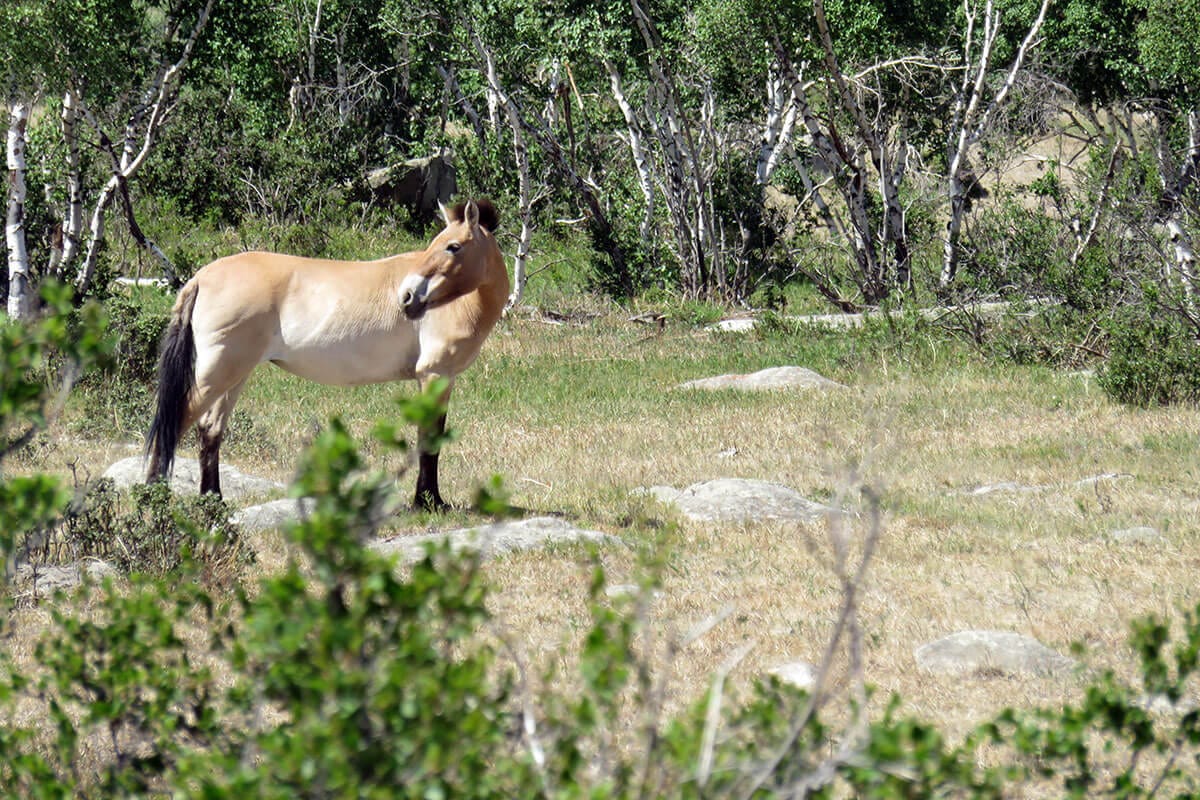
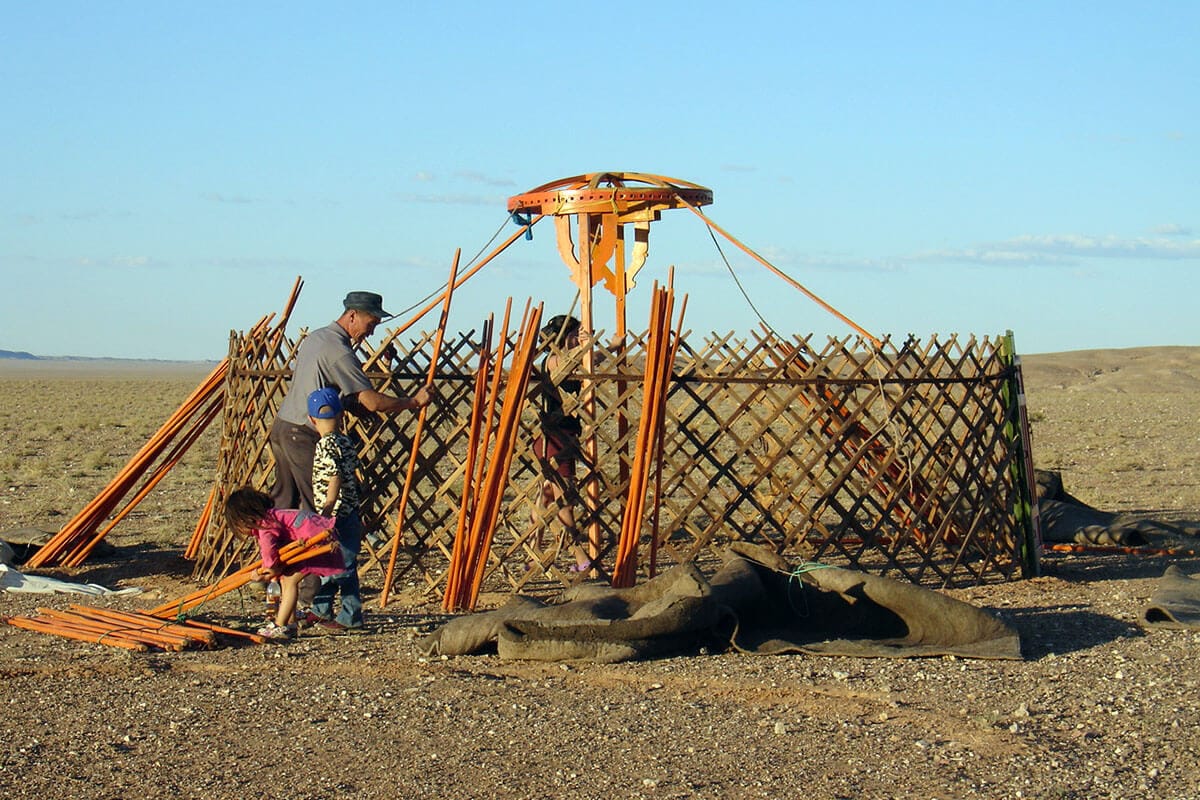
Today, we will journey to Khustain Nuruu National Park. Just before reaching the park, we will stop at the Mongol Nomadic Tourist Camp to immerse ourselves in local culture and traditions.
The Przewalski's Horse, also known as the Takhi horse, is a rare and endangered wild horse subspecies native to the steppes of Central Asia. Once extinct in the wild, it has been reintroduced to its natural habitat in Mongolia. Khustain Nuruu National Park was established as a reserve in 1993 and was elevated to national park status in 1998. Currently, the park is home to approximately 350 Takhi horses, along with 459 vascular plant species and 217 bird species.
Upon our arrival at the Khustain Nuruu National Park camp, we will meet the park staff and learn about their ongoing projects. In the afternoon, we will explore the park's stunning natural wonders.
Activities:
- Explore Khustai national park
- Catch a glimpse the wild horses
Khustain Nuruu National Park
Today, we will journey to Khustain Nuruu National Park. Just before reaching the park, we will stop at the Mongol Nomadic Tourist Camp to immerse ourselves in local culture and traditions.
The Przewalski's Horse, also known as the Takhi horse, is a rare and endangered wild horse subspecies native to the steppes of Central Asia. Once extinct in the wild, it has been reintroduced to its natural habitat in Mongolia. Khustain Nuruu National Park was established as a reserve in 1993 and was elevated to national park status in 1998. Currently, the park is home to approximately 350 Takhi horses, along with 459 vascular plant species and 217 bird species.
Upon our arrival at the Khustain Nuruu National Park camp, we will meet the park staff and learn about their ongoing projects. In the afternoon, we will explore the park's stunning natural wonders.
Activities:
- Explore Khustai national park
- Catch a glimpse the wild horses
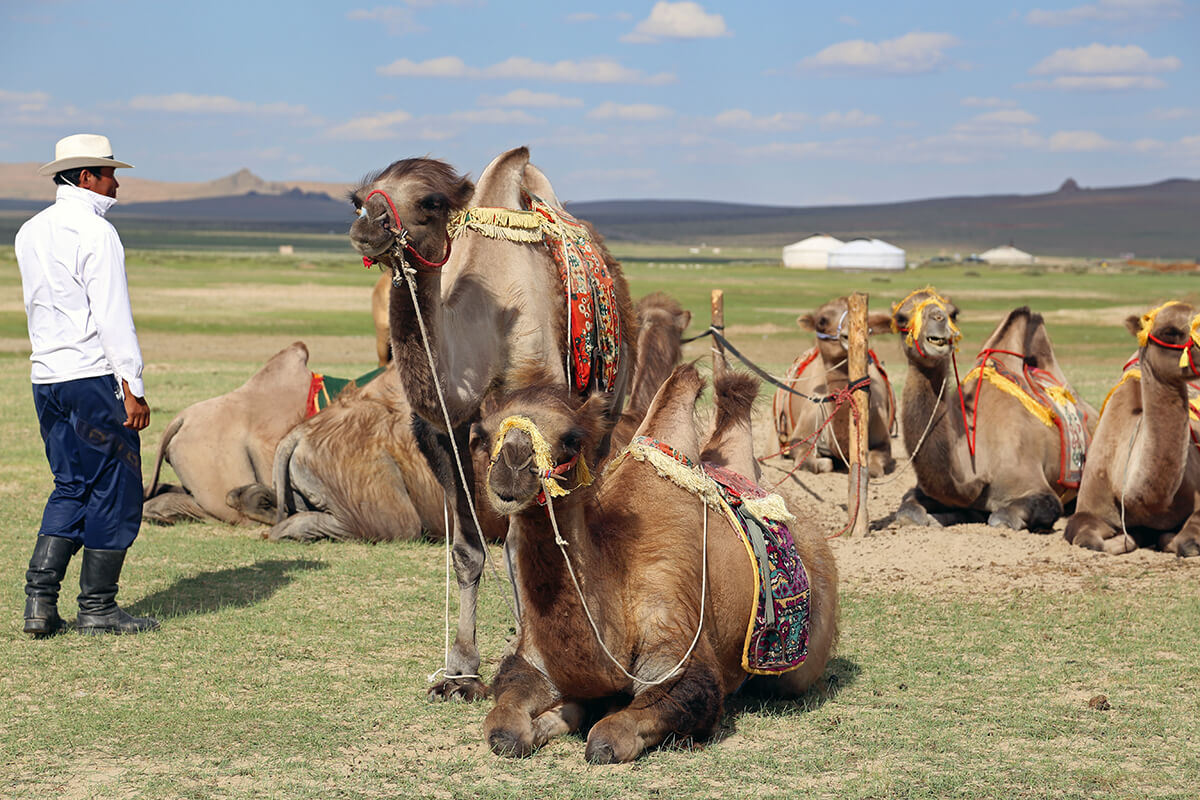
Today, we are heading to Khogno Khan National Park. We will embark on a trek through the Khogno Khan Mountains, culminating in a hike to enjoy breathtaking views of the hills, sand dunes, and grasslands. Additionally, we’ll explore the beautiful Ovgon Monastery.
The Elsen Tasarkhai Sand Dune, affectionately referred to as Little Gobi, stretches for 100 kilometers.
Activities:
- Explore Elsen Tasarkhai sand dunes
- Discover Khogno Khan mountain
- Visit Ovgon monastery
- Meet a camel breeding family
- Opportunity for camel riding. Optional
Khogno Khan Mountain and Elsen Tasarkhai Sand Dune
Today, we are heading to Khogno Khan National Park. We will embark on a trek through the Khogno Khan Mountains, culminating in a hike to enjoy breathtaking views of the hills, sand dunes, and grasslands. Additionally, we’ll explore the beautiful Ovgon Monastery.
The Elsen Tasarkhai Sand Dune, affectionately referred to as Little Gobi, stretches for 100 kilometers.
Activities:
- Explore Elsen Tasarkhai sand dunes
- Discover Khogno Khan mountain
- Visit Ovgon monastery
- Meet a camel breeding family
- Opportunity for camel riding. Optional
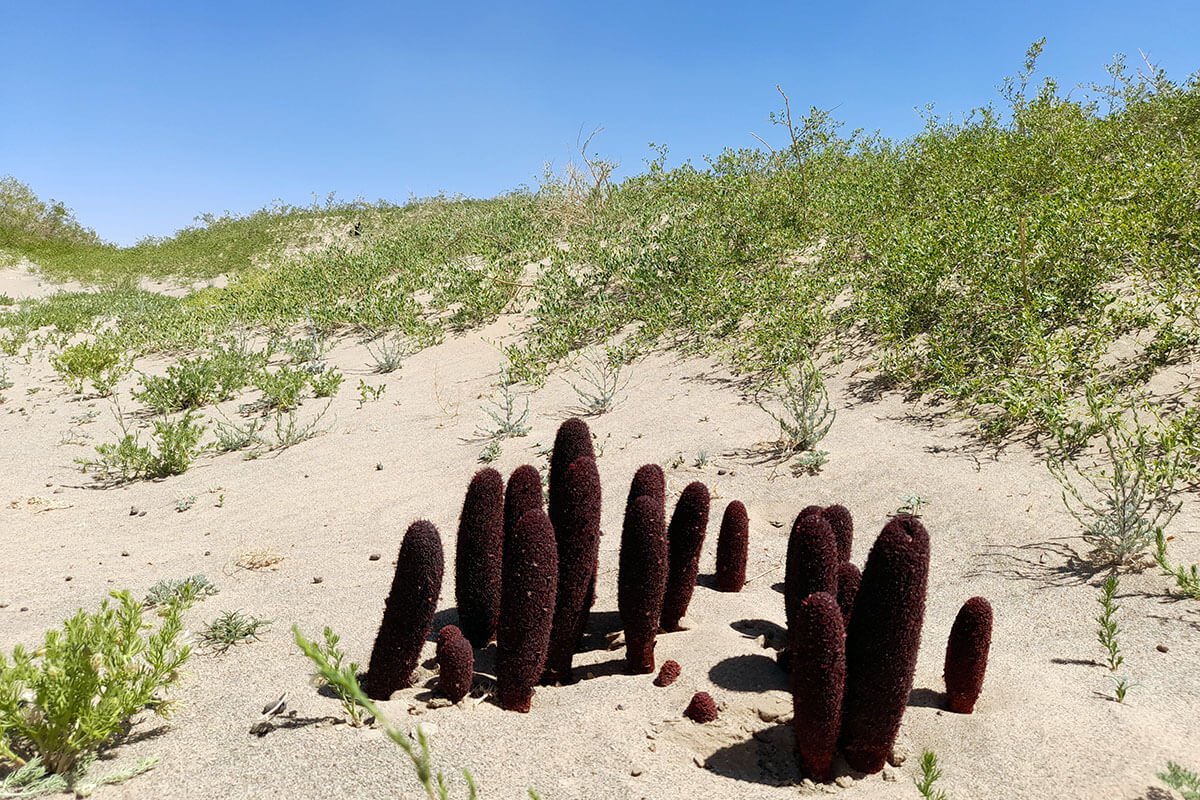
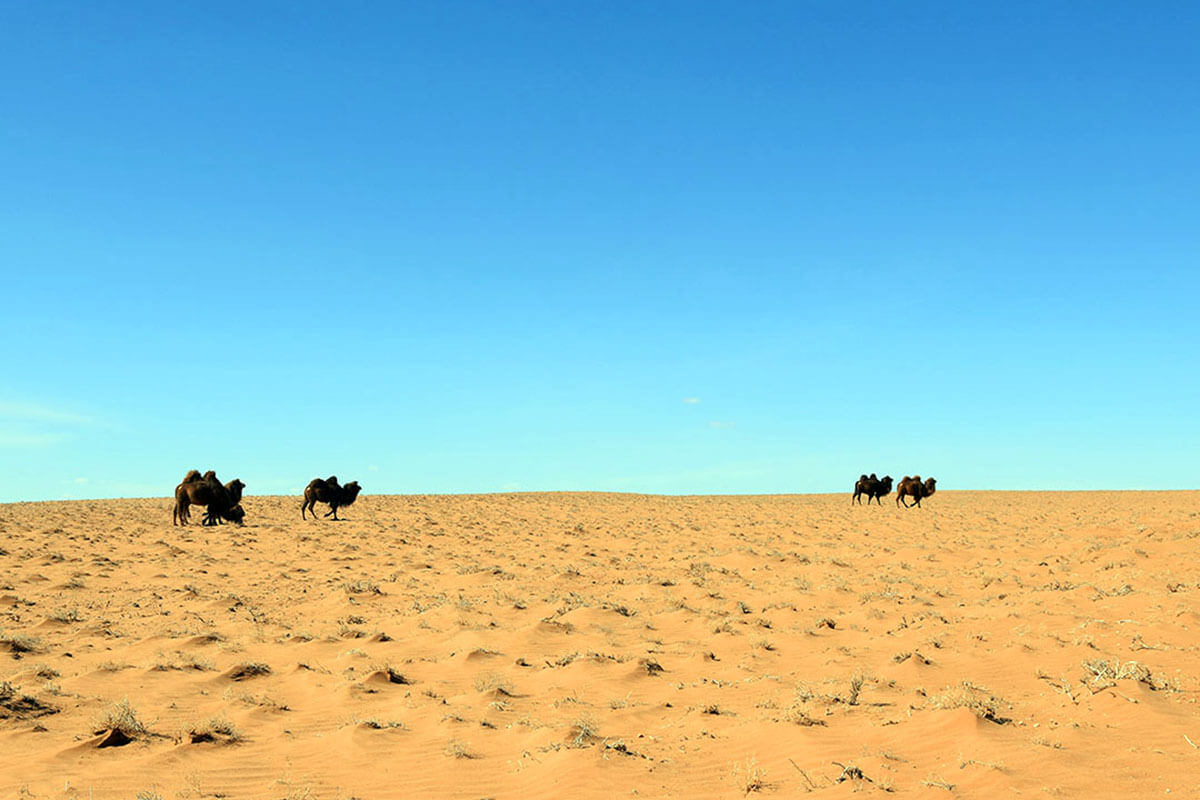
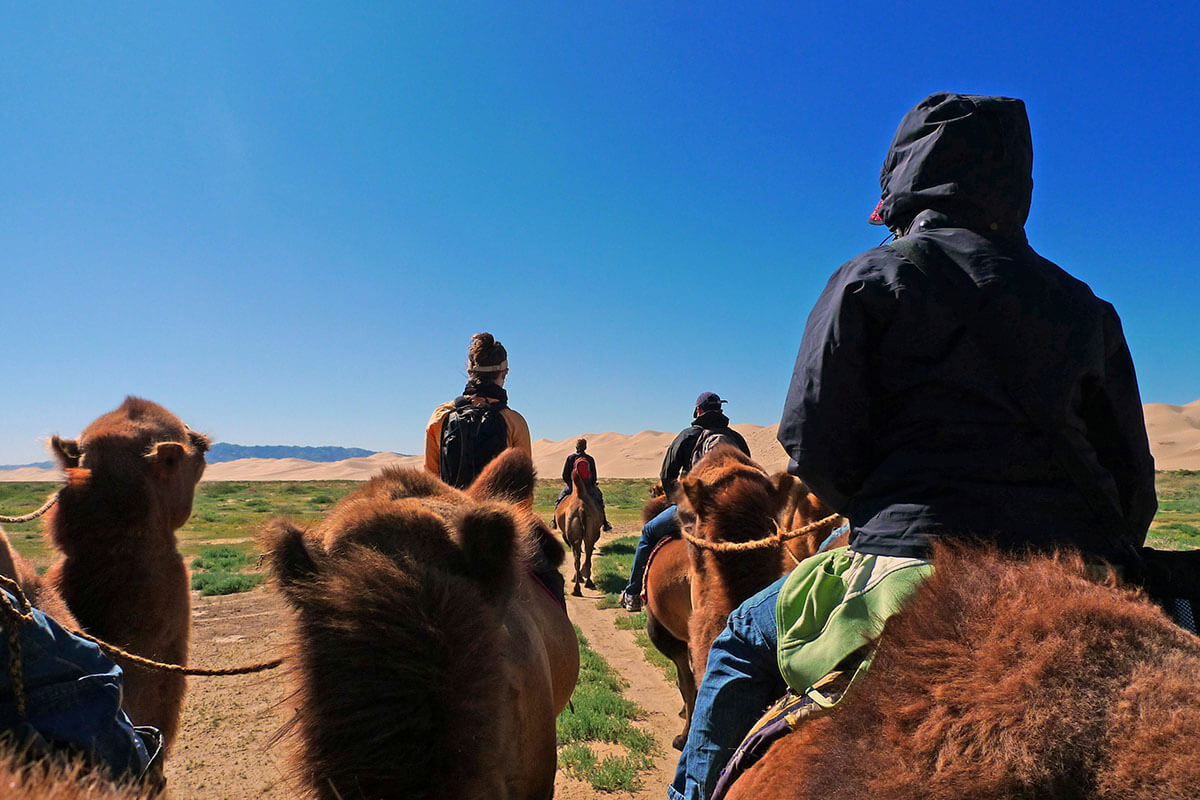
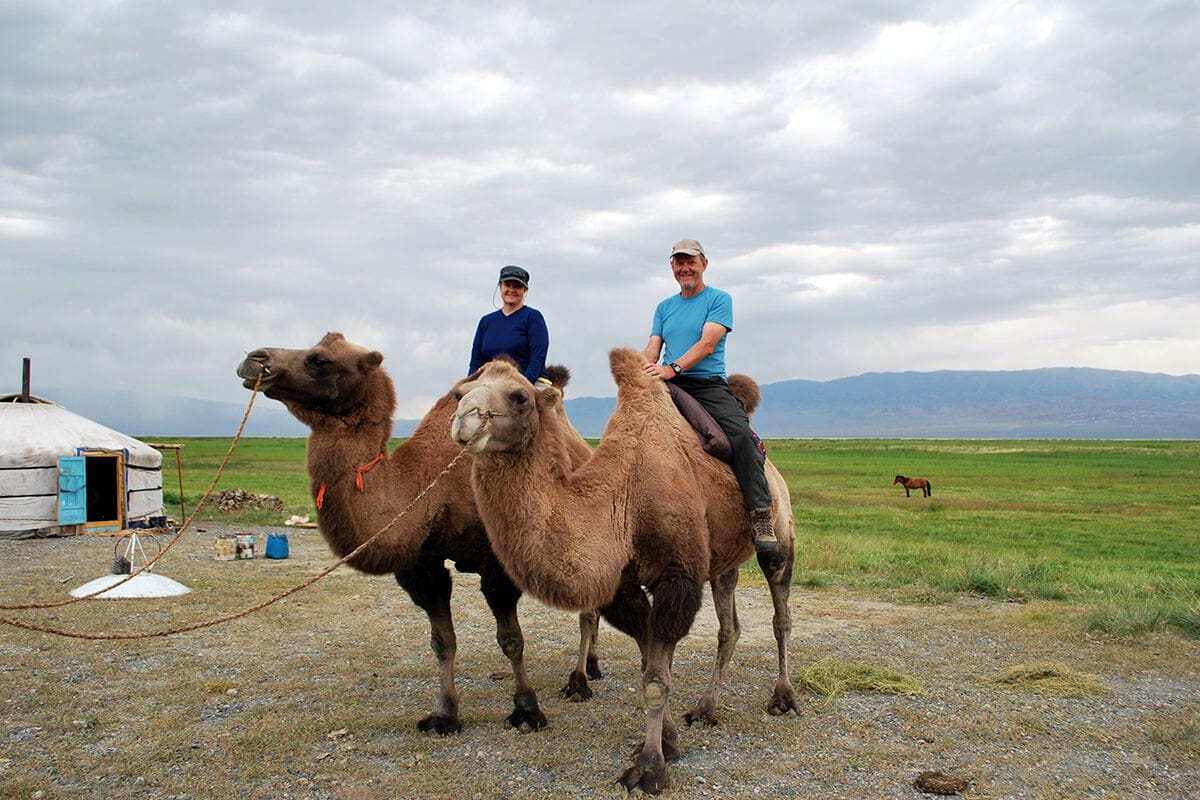
In the morning, we’ll load our belongings onto the camels and begin our trek along the dunes beside the striking Khongo Khan rocky mountain. Guided by an experienced camel herder from our host family, we’ll learn how to water and care for the camels, just as the nomads do. There will be ample time to explore the surrounding landscape before setting up our first campsite. As the sun sets and the desert air cools, relax and enjoy a peaceful evening under the vast sky.
Activities:
- Camel Riding
Camel riding along sand dune and mountain
In the morning, we’ll load our belongings onto the camels and begin our trek along the dunes beside the striking Khongo Khan rocky mountain. Guided by an experienced camel herder from our host family, we’ll learn how to water and care for the camels, just as the nomads do. There will be ample time to explore the surrounding landscape before setting up our first campsite. As the sun sets and the desert air cools, relax and enjoy a peaceful evening under the vast sky.
Activities:
- Camel Riding
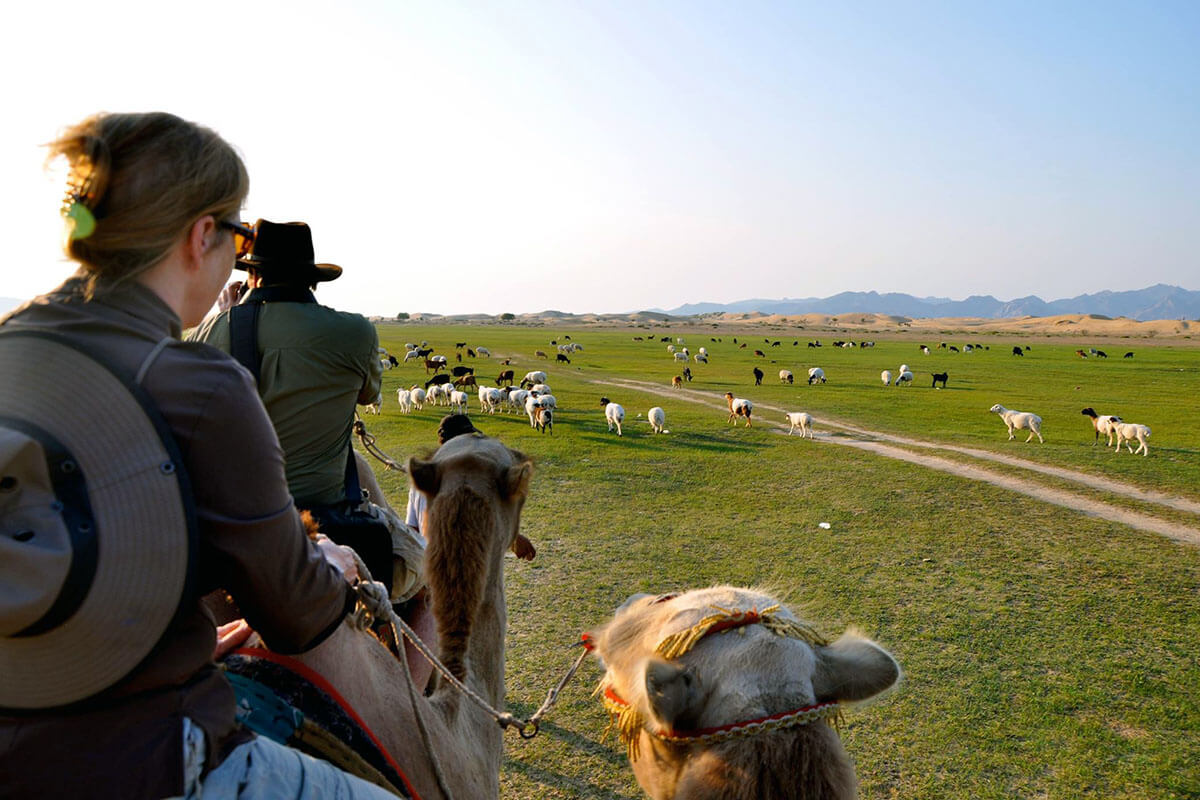
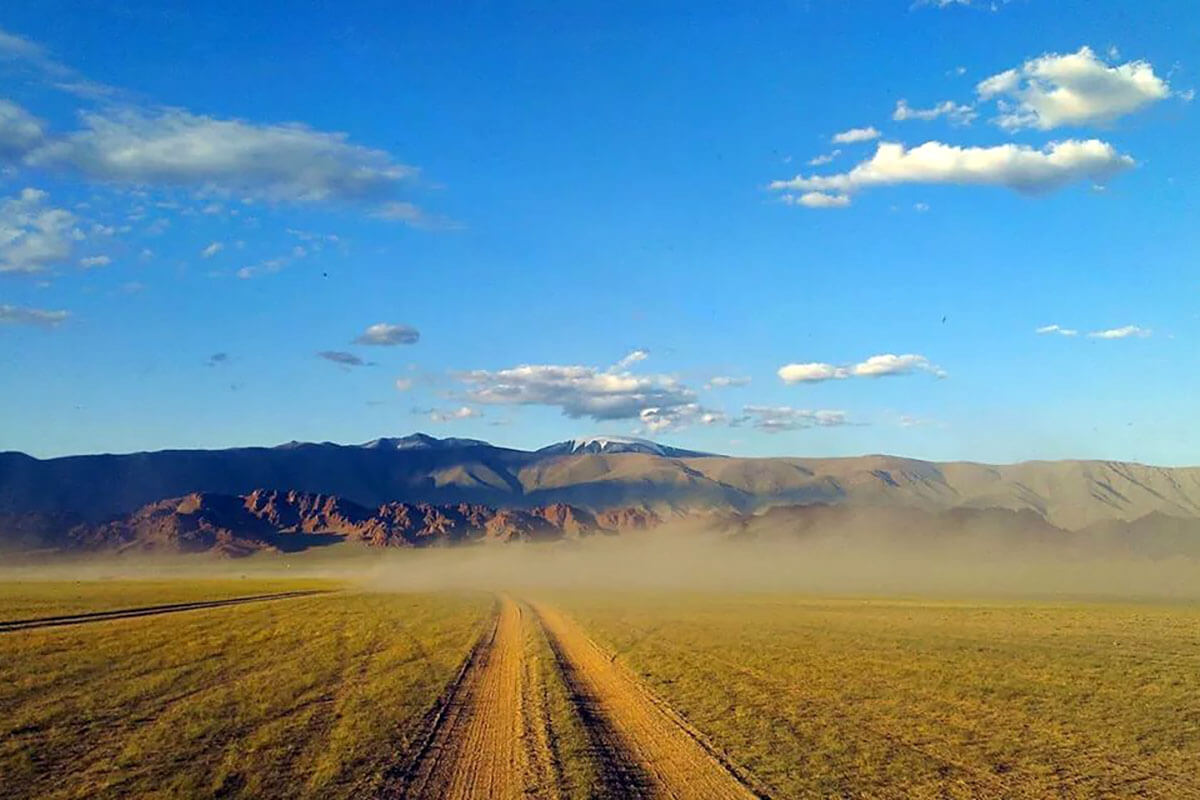
We’ll continue our camel ride across the semi-arid desert, where rolling dunes blend seamlessly with open grasslands. While Elsen Tasarkhai is popular for its easy access from Ulaanbaatar, once we venture beyond, it becomes a world of solitude and vast horizons. Out here, you may find yourself in the middle of nowhere—and sometimes, in the middle of nowhere, you truly find yourself.
Activities:
- Camel Riding
Camel riding along sand dune and mountain
We’ll continue our camel ride across the semi-arid desert, where rolling dunes blend seamlessly with open grasslands. While Elsen Tasarkhai is popular for its easy access from Ulaanbaatar, once we venture beyond, it becomes a world of solitude and vast horizons. Out here, you may find yourself in the middle of nowhere—and sometimes, in the middle of nowhere, you truly find yourself.
Activities:
- Camel Riding
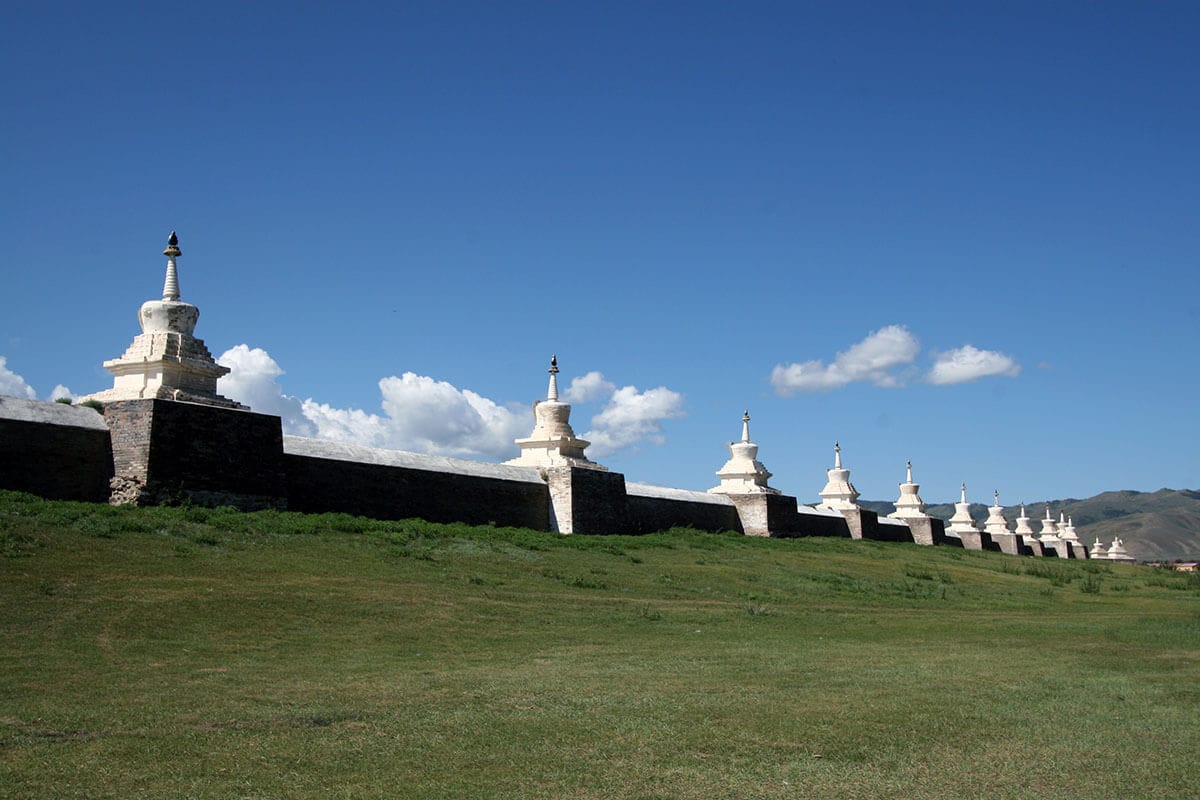
Today, we explore Karakorum, the capital of Genghis Khan's Mongolian Empire in the 13th century. Established in 1220 on the ruins of Turug and Uigur cities in the Orkhon Valley, it was completed 15 years later under Ugedei Khan, known for its multiculturalism. The silver tree from Möngke Khan’s palace became a symbol of the city, which thrived from 1220 to 1260 as a political, trade, and cultural hub.
However, from 1260 to 1380, it lost its capital status when Kublai Khan moved the capital to Beijing, reducing Karakorum to an administrative center in the Yuan Dynasty.
After the Mongolian Yuan Dynasty collapsed in 1368, the government returned to Mongolia, allowing Karakorum to regain some significance. However, in 1388, Ming troops destroyed the town, leaving no trace of it. In 1580, Abtai Sain Khan and Lord Tumenkhen sought the 3rd Dalai Lama's counsel on building a temple, leading to the restoration of the Main Zuu temple in Erdene Zuu monastery in 1588.
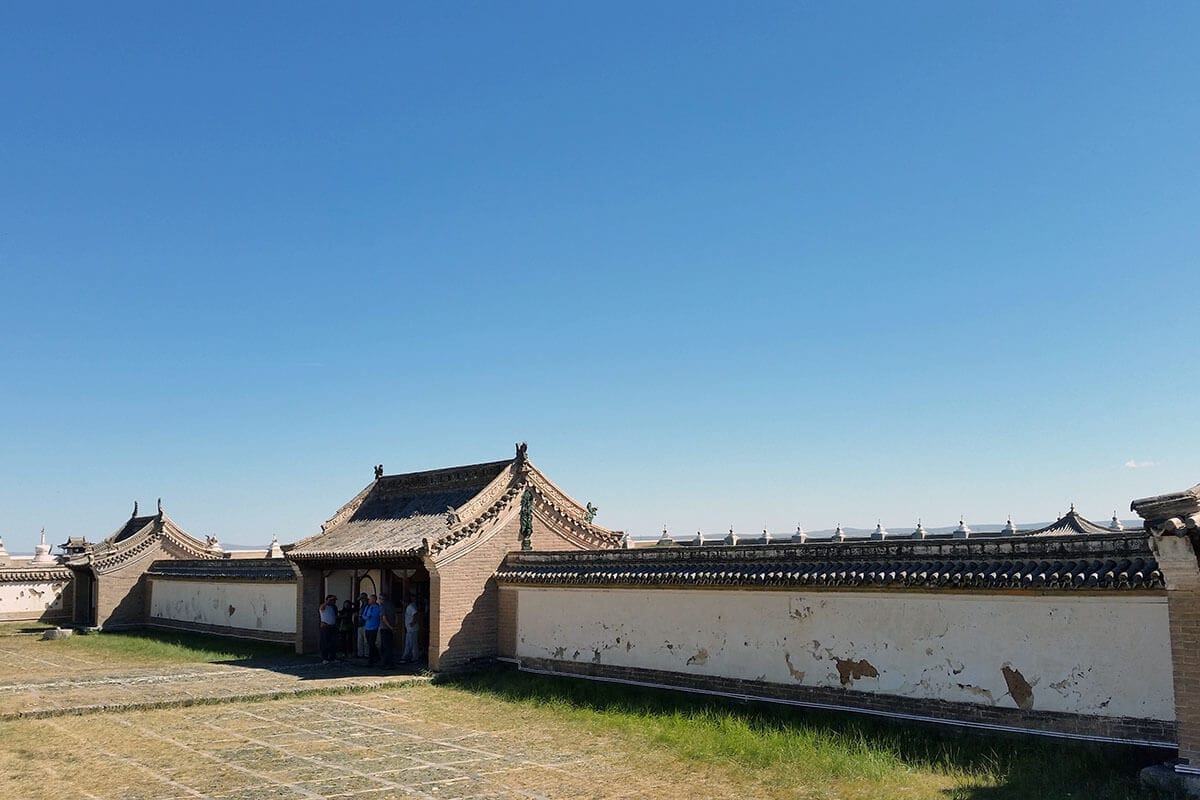
Erdene Zuu Monastery, once a large complex with 100 temples and over 1,000 lamas, now comprises three remaining temples: Dalai Lama, Zuu of Buddha, and Lavrin Temple, all within 400 m X 400 m walls. Visitors can explore the monastery grounds.
The Karakorum Archaeological Museum, though small, features a well-designed space with good lighting and clear English labels. It showcases hundreds of artifacts from the 13th and 14th centuries, as well as prehistoric tools, pottery, bronzes, coins, religious sculptures, and stone inscriptions from various archaeological sites.
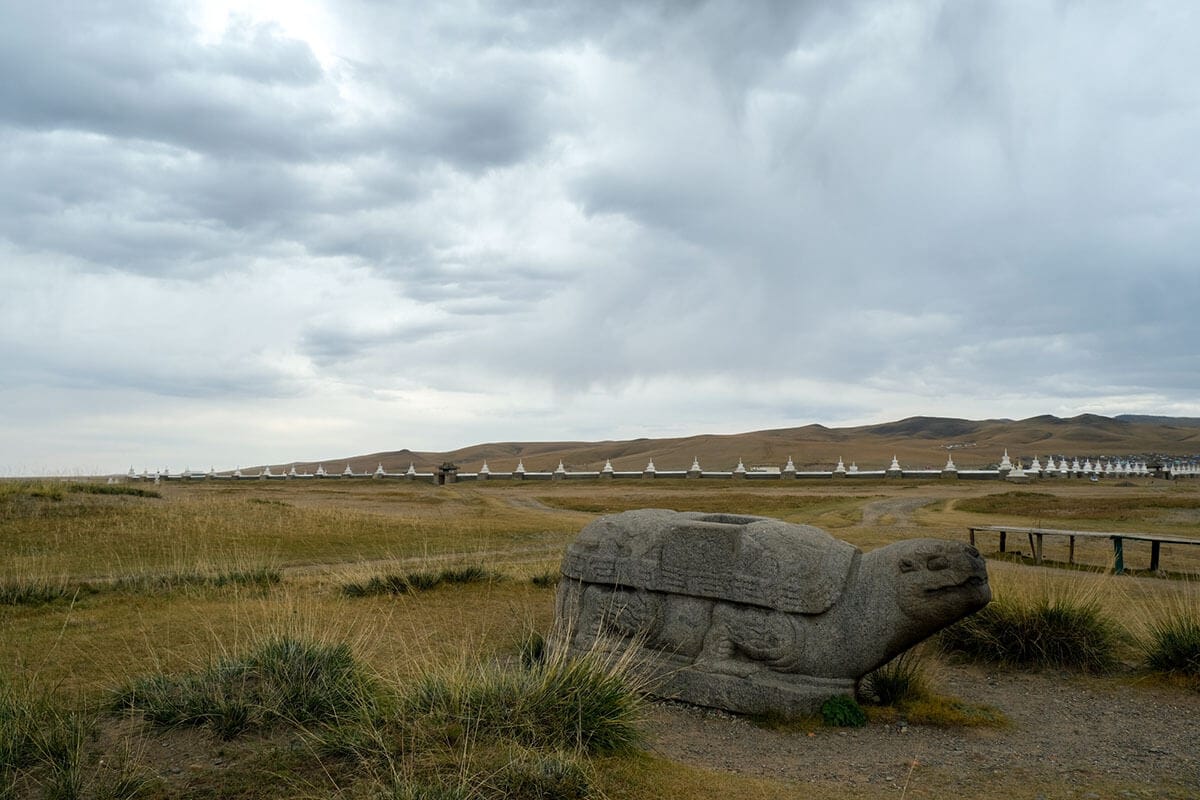
A half-excavated kiln is set into the museum floor, alongside a scale model of ancient Karakorum from the 1250s, inspired by William of Rubruck's descriptions. Another chamber features a Turkic noble tomb with wall paintings, gold objects, and jewels, accompanied by a short video of the burial site. You can also visit the Turtle Rock and the Phallic Rock, as well as a small market that showcases local artists’ work.
Activities:
- Explore the Erdene Zuu monastery
- Discover the Karakorum Archaeological Museum
Drive to Karakorum
Today, we explore Karakorum, the capital of Genghis Khan's Mongolian Empire in the 13th century. Established in 1220 on the ruins of Turug and Uigur cities in the Orkhon Valley, it was completed 15 years later under Ugedei Khan, known for its multiculturalism. The silver tree from Möngke Khan’s palace became a symbol of the city, which thrived from 1220 to 1260 as a political, trade, and cultural hub.
However, from 1260 to 1380, it lost its capital status when Kublai Khan moved the capital to Beijing, reducing Karakorum to an administrative center in the Yuan Dynasty.
After the Mongolian Yuan Dynasty collapsed in 1368, the government returned to Mongolia, allowing Karakorum to regain some significance. However, in 1388, Ming troops destroyed the town, leaving no trace of it. In 1580, Abtai Sain Khan and Lord Tumenkhen sought the 3rd Dalai Lama's counsel on building a temple, leading to the restoration of the Main Zuu temple in Erdene Zuu monastery in 1588.
Erdene Zuu Monastery, once a large complex with 100 temples and over 1,000 lamas, now comprises three remaining temples: Dalai Lama, Zuu of Buddha, and Lavrin Temple, all within 400 m X 400 m walls. Visitors can explore the monastery grounds.
The Karakorum Archaeological Museum, though small, features a well-designed space with good lighting and clear English labels. It showcases hundreds of artifacts from the 13th and 14th centuries, as well as prehistoric tools, pottery, bronzes, coins, religious sculptures, and stone inscriptions from various archaeological sites.
A half-excavated kiln is set into the museum floor, alongside a scale model of ancient Karakorum from the 1250s, inspired by William of Rubruck's descriptions. Another chamber features a Turkic noble tomb with wall paintings, gold objects, and jewels, accompanied by a short video of the burial site. You can also visit the Turtle Rock and the Phallic Rock, as well as a small market that showcases local artists’ work.
Activities:
- Explore the Erdene Zuu monastery
- Discover the Karakorum Archaeological Museum
The moment has arrived to depart and make your way back to Ulaanbaatar, the capital of Mongolia. You are free to spend your afternoon as you wish. You will have the opportunity to enjoy a beautiful cultural performance, featuring talented contortionists, while you take in the vibrant and rhythmic dances of Mongolia.
Activities:
- Attend a folklore show featuring throat singers
- Shop for souvenir or cashmere. Optional
Drive back to Ulaanbaatar
The moment has arrived to depart and make your way back to Ulaanbaatar, the capital of Mongolia. You are free to spend your afternoon as you wish. You will have the opportunity to enjoy a beautiful cultural performance, featuring talented contortionists, while you take in the vibrant and rhythmic dances of Mongolia.
Activities:
- Attend a folklore show featuring throat singers
- Shop for souvenir or cashmere. Optional
Similar Tours
Canoeing Orkhon Valley
- Moderate
- 15 days
- 13 / max
Big Loop
- Moderate
- 17 days
- 14 / max
The Secret of Gobi Desert & the Winding Steppes of Mongolia
- Moderate
- 8 days
- 14 / max
Winter national parks
- Moderate
- 3 days
- 14 / max
Naadam Festival
- Easy
- 2 days
- 14 / max
Cradle of Mongolian Civilization
- Moderate
- 5 days
- 14 / max
Into the Wild: Trekking to Khagiin Khar Lake
- Challenge
- 8 days
- 14 / max
Adventure into Nature: Trekking the Eight Lakes & Orkhon valley
- Challenge
- 9 days
- 13 / max
Discovering Central and Northern Mongolia
- Moderate
- 12 days
- 14 / max
Nature Escape close to Ulaanbaatar
- Moderate
- 3 days
- 14 / max