Tour Highlights:
A Volcanic Wonderland: Explore a dramatic landscape shaped by ancient volcanic eruptions. The lakes themselves are nestled in the craters and valleys of the Khorgo Volcano region, creating a unique and rugged terrain.
Pristine Alpine Beauty: Each of the eight lakes has its own distinct character and color, ranging from deep sapphire to shimmering emerald. They are incredibly clear, secluded, and perfect for reflection photography.
Serene Wilderness: This area is less populated than the valley, offering a profound sense of solitude and connection with raw, untouched nature. The silence is broken only by nature’s sounds.
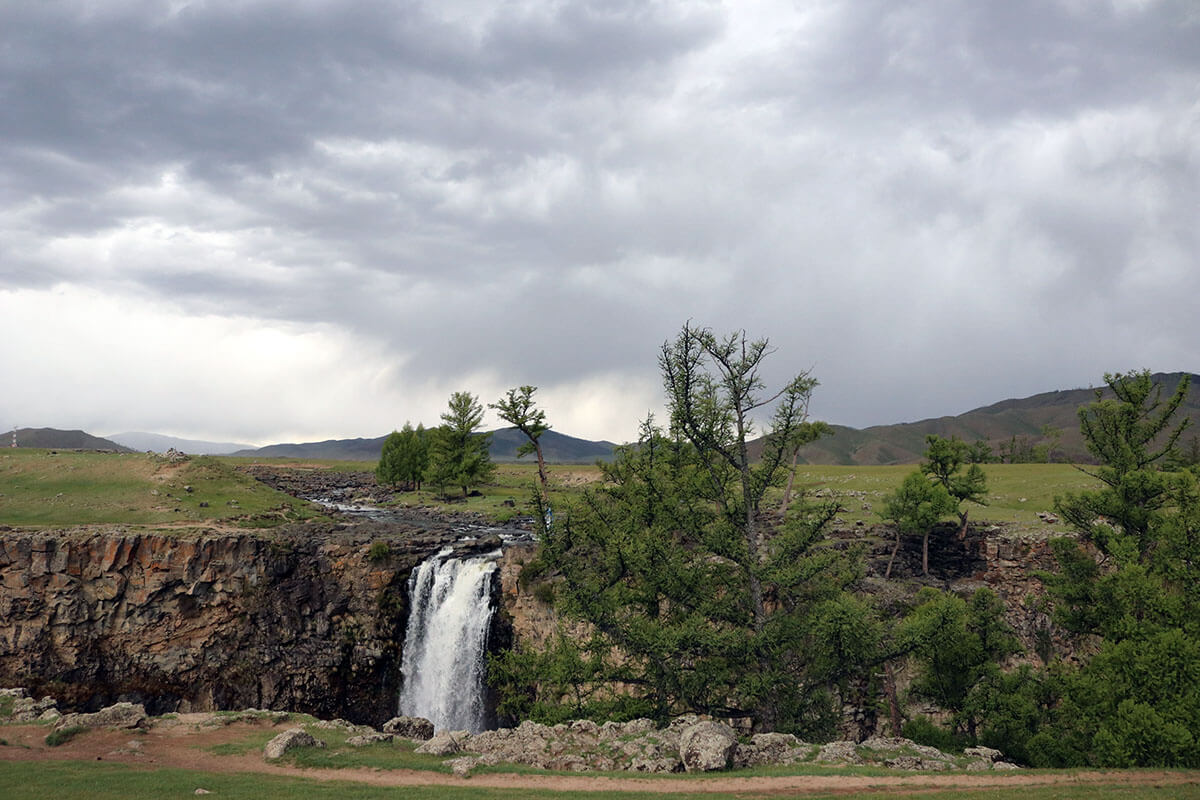
The Orkhon Waterfall (Ulaan Tsutgalan): A stunning and unexpected spectacle. Witness the Orkhon River, the longest in Mongolia, plunge 20 meters (66 ft) over a volcanic basalt cliff, carving a beautiful canyon through the steppe.
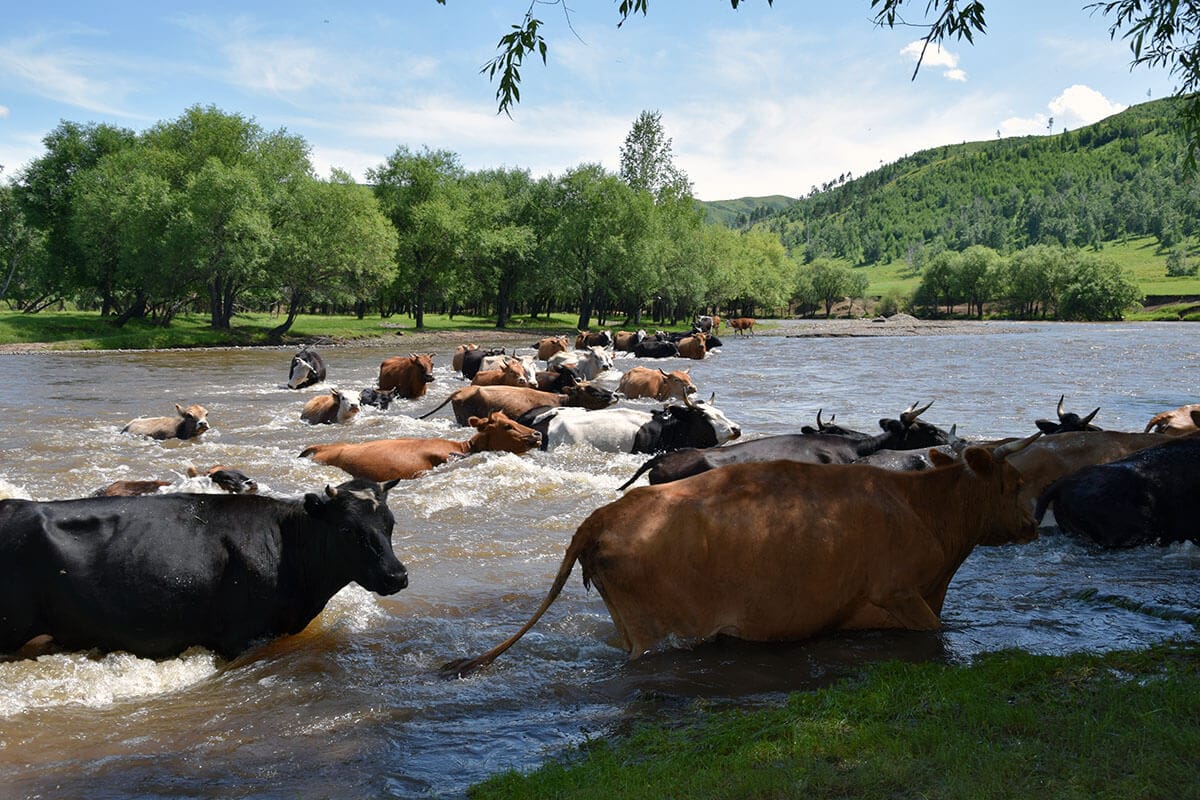
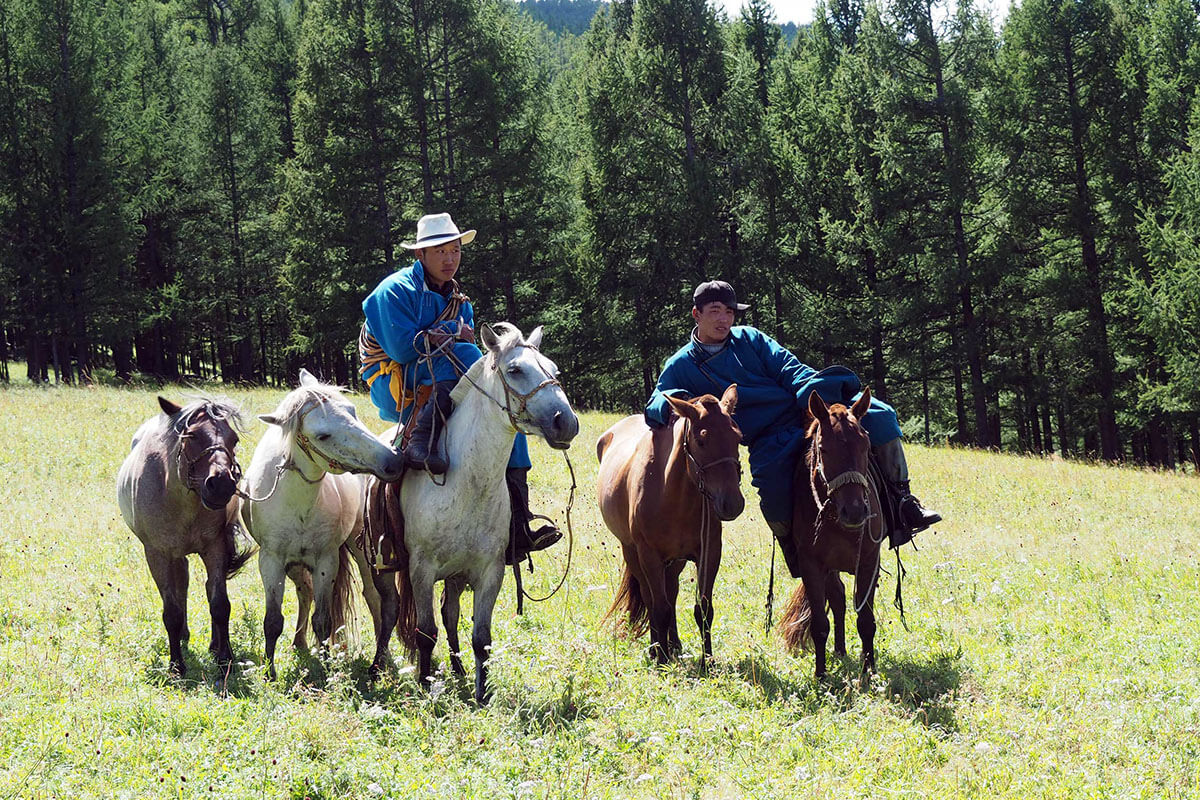
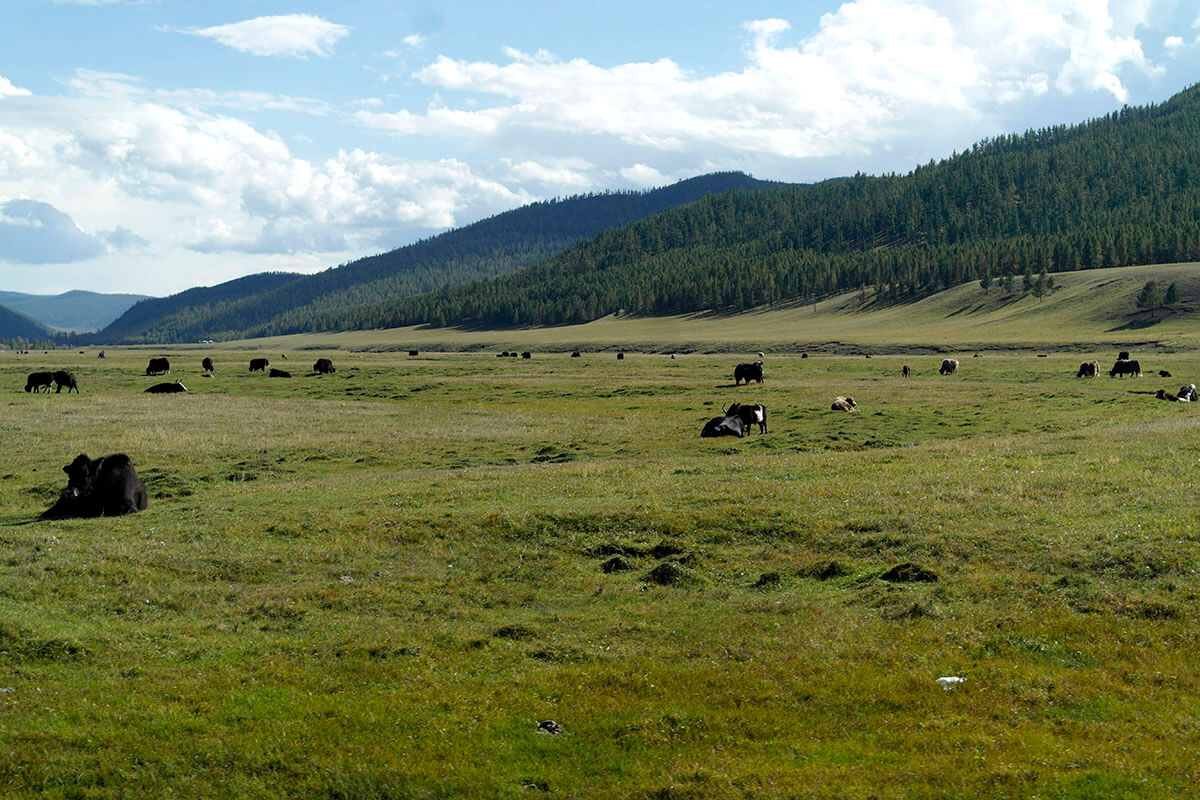
Nomadic Culture Immersion: This is the living heart of the journey. You’ll encounter nomadic families, be invited into their gers for fermented mare’s milk (airag) and salty milk tea, and see firsthand their ancient way of herding horses, sheep, goats, and yaks.
Endless Steppe Vistas: Hike through vast, rolling grasslands that stretch to the horizon in every direction. The sheer scale of the landscape is awe-inspiring and humbling.
Land of Historical Significance: Walk through a UNESCO World Heritage Site that was once the center of the Mongol Empire. Feel the weight of history in this cradle of nomadic civilizations.
Horseback Riding Opportunities: The Orkhon Valley is the perfect place to experience Mongolia on horseback, the traditional way to travel. Ride alongside local horsemen across the open steppe.
Karakorum
Tovkhon monastery & Orkhon valley, waterfall
Trek to Khuis lake (10 km)
Trek to Shireet lakes (12 km)
Trek Bugat & Khaliun Lakes into the Buureg valley (15 km)
Trek to Shavart Lake (15 km)
Trek to Orkhon Valley & Waterfall (22 km)
Khogno Khan Mountains & Elsen Tasarhai Sand Dune
Drive to Ulaanbaatar
Day To Day Itinerary
Today, we explore Karakorum, the capital of Genghis Khan's Mongolian Empire in the 13th century. Established in 1220 on the ruins of Turug and Uigur cities in the Orkhon Valley, it was completed 15 years later under Ugedei Khan, known for its multiculturalism. The silver tree from Möngke Khan’s palace became a symbol of the city, which thrived from 1220 to 1260 as a political, trade, and cultural hub.
However, from 1260 to 1380, it lost its capital status when Kublai Khan moved the capital to Beijing, reducing Karakorum to an administrative center in the Yuan Dynasty.
After the Mongolian Yuan Dynasty collapsed in 1368, the government returned to Mongolia, allowing Karakorum to regain some significance. However, in 1388, Ming troops destroyed the town, leaving no trace of it. In 1580, Abtai Sain Khan and Lord Tumenkhen sought the 3rd Dalai Lama's counsel on building a temple, leading to the restoration of the Main Zuu temple in Erdene Zuu monastery in 1588.
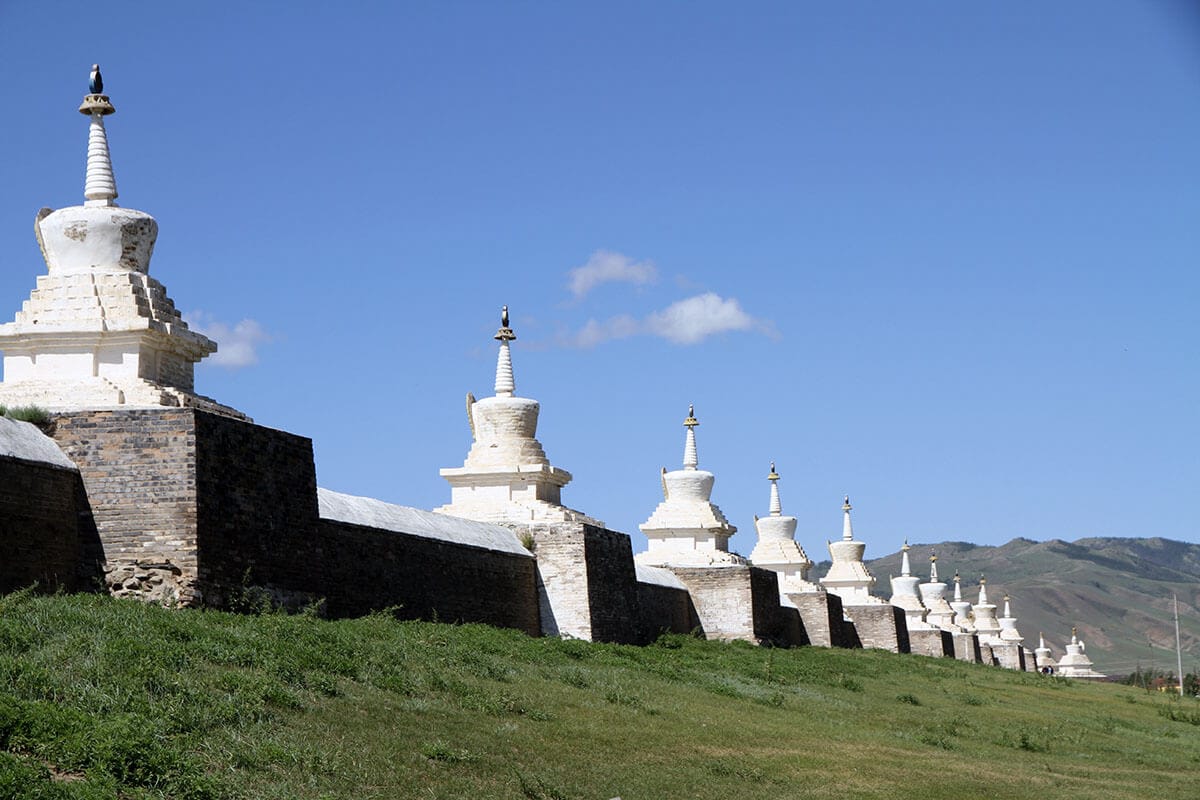
Erdene Zuu Monastery, once a large complex with 100 temples and over 1,000 lamas, now comprises three remaining temples: Dalai Lama, Zuu of Buddha, and Lavrin Temple, all within 400 m X 400 m walls. Visitors can explore the monastery grounds.
The Karakorum Archaeological Museum, though small, features a well-designed space with good lighting and clear English labels. It showcases hundreds of artifacts from the 13th and 14th centuries, as well as prehistoric tools, pottery, bronzes, coins, religious sculptures, and stone inscriptions from various archaeological sites.
A half-excavated kiln is set into the museum floor, alongside a scale model of ancient Karakorum from the 1250s, inspired by William of Rubruck's descriptions. Another chamber features a Turkic noble tomb with wall paintings, gold objects, and jewels, accompanied by a short video of the burial site.
You can also visit the Turtle Rock and the Phallic Rock, as well as a small market that showcases local artists’ work.
Activities:
- Explore the Erdene Zuu monastery
- Discover the Karakorum Archaeological Museum
Karakorum
Today, we explore Karakorum, the capital of Genghis Khan's Mongolian Empire in the 13th century. Established in 1220 on the ruins of Turug and Uigur cities in the Orkhon Valley, it was completed 15 years later under Ugedei Khan, known for its multiculturalism. The silver tree from Möngke Khan’s palace became a symbol of the city, which thrived from 1220 to 1260 as a political, trade, and cultural hub.
However, from 1260 to 1380, it lost its capital status when Kublai Khan moved the capital to Beijing, reducing Karakorum to an administrative center in the Yuan Dynasty.
After the Mongolian Yuan Dynasty collapsed in 1368, the government returned to Mongolia, allowing Karakorum to regain some significance. However, in 1388, Ming troops destroyed the town, leaving no trace of it. In 1580, Abtai Sain Khan and Lord Tumenkhen sought the 3rd Dalai Lama's counsel on building a temple, leading to the restoration of the Main Zuu temple in Erdene Zuu monastery in 1588.
Erdene Zuu Monastery, once a large complex with 100 temples and over 1,000 lamas, now comprises three remaining temples: Dalai Lama, Zuu of Buddha, and Lavrin Temple, all within 400 m X 400 m walls. Visitors can explore the monastery grounds.
The Karakorum Archaeological Museum, though small, features a well-designed space with good lighting and clear English labels. It showcases hundreds of artifacts from the 13th and 14th centuries, as well as prehistoric tools, pottery, bronzes, coins, religious sculptures, and stone inscriptions from various archaeological sites.
A half-excavated kiln is set into the museum floor, alongside a scale model of ancient Karakorum from the 1250s, inspired by William of Rubruck's descriptions. Another chamber features a Turkic noble tomb with wall paintings, gold objects, and jewels, accompanied by a short video of the burial site.
You can also visit the Turtle Rock and the Phallic Rock, as well as a small market that showcases local artists’ work.
Activities:
- Explore the Erdene Zuu monastery
- Discover the Karakorum Archaeological Museum
Today, we’ll journey west into the Orkhon Valley, where the Orkhon River winds through a landscape rich in history and natural beauty. Recognized as a UNESCO World Cultural Heritage site, the valley is home to ancient relics that date as far back as the 6th century and earlier. It was also the site of Karakorum, the capital of the great Mongol Empire during the 12th and 13th centuries. The traditional nomadic lifestyle continues to thrive here, preserving a way of life deeply connected to both history and nature. During the Quaternary period, a volcanic eruption near the mouth of the Tsagaan Azarga, or White Stallion River, sent lava flowing down the valley, forming a basalt layer around 10 meters thick. Over time, the Orkhon River carved through this basalt not once, but twice shaping the dramatic canyon we see today.
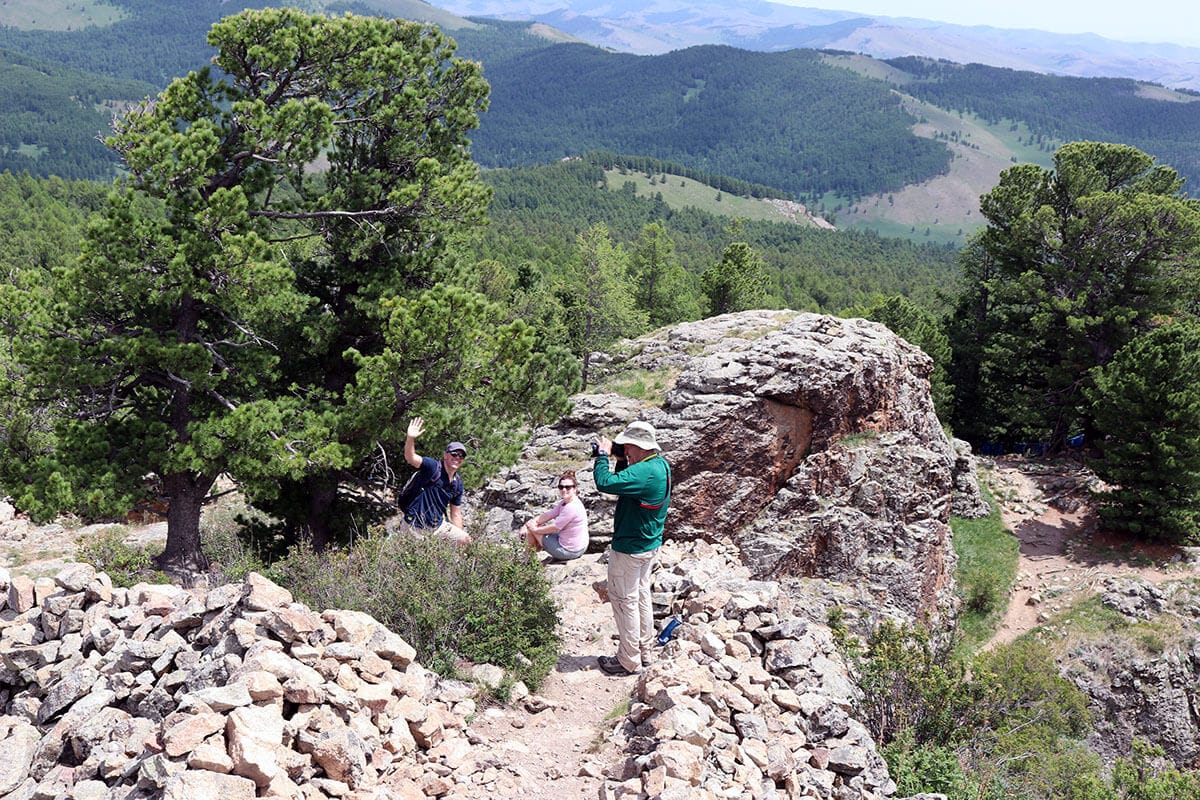
Our first stop would be Tovkhon Monastery, established in the 1650s by Zanabazar—one of Mongolia’s most revered spiritual figures—is a serene retreat nestled near a hilltop. Its wooden buildings blend seamlessly with a network of natural caves, offering sweeping views of the Orkhon Valley and surrounding pine forests. At the summit, a sacred stone cairn known as an Ovoo stands in tribute to the mountain god, adding spiritual significance to the site.
Activities:
- Hike 7 km to Tovkhon Monastery, which takes approximately 3 to 4 hours.
- Explore the Orkhon Valley
Tovkhon monastery & Orkhon valley, waterfall
Today, we’ll journey west into the Orkhon Valley, where the Orkhon River winds through a landscape rich in history and natural beauty. Recognized as a UNESCO World Cultural Heritage site, the valley is home to ancient relics that date as far back as the 6th century and earlier. It was also the site of Karakorum, the capital of the great Mongol Empire during the 12th and 13th centuries. The traditional nomadic lifestyle continues to thrive here, preserving a way of life deeply connected to both history and nature. During the Quaternary period, a volcanic eruption near the mouth of the Tsagaan Azarga, or White Stallion River, sent lava flowing down the valley, forming a basalt layer around 10 meters thick. Over time, the Orkhon River carved through this basalt not once, but twice shaping the dramatic canyon we see today.
Our first stop would be Tovkhon Monastery, established in the 1650s by Zanabazar—one of Mongolia’s most revered spiritual figures—is a serene retreat nestled near a hilltop. Its wooden buildings blend seamlessly with a network of natural caves, offering sweeping views of the Orkhon Valley and surrounding pine forests. At the summit, a sacred stone cairn known as an Ovoo stands in tribute to the mountain god, adding spiritual significance to the site.
Activities:
- Hike 7 km to Tovkhon Monastery, which takes approximately 3 to 4 hours.
- Explore the Orkhon Valley
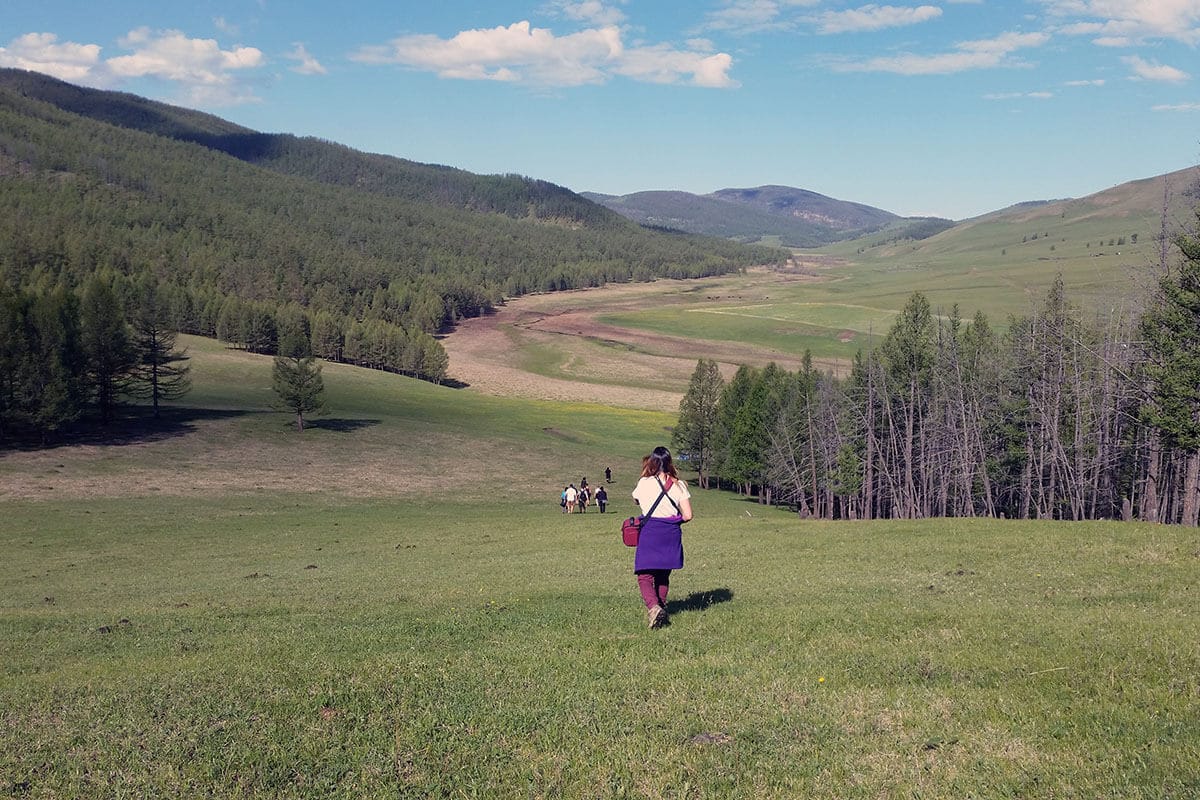
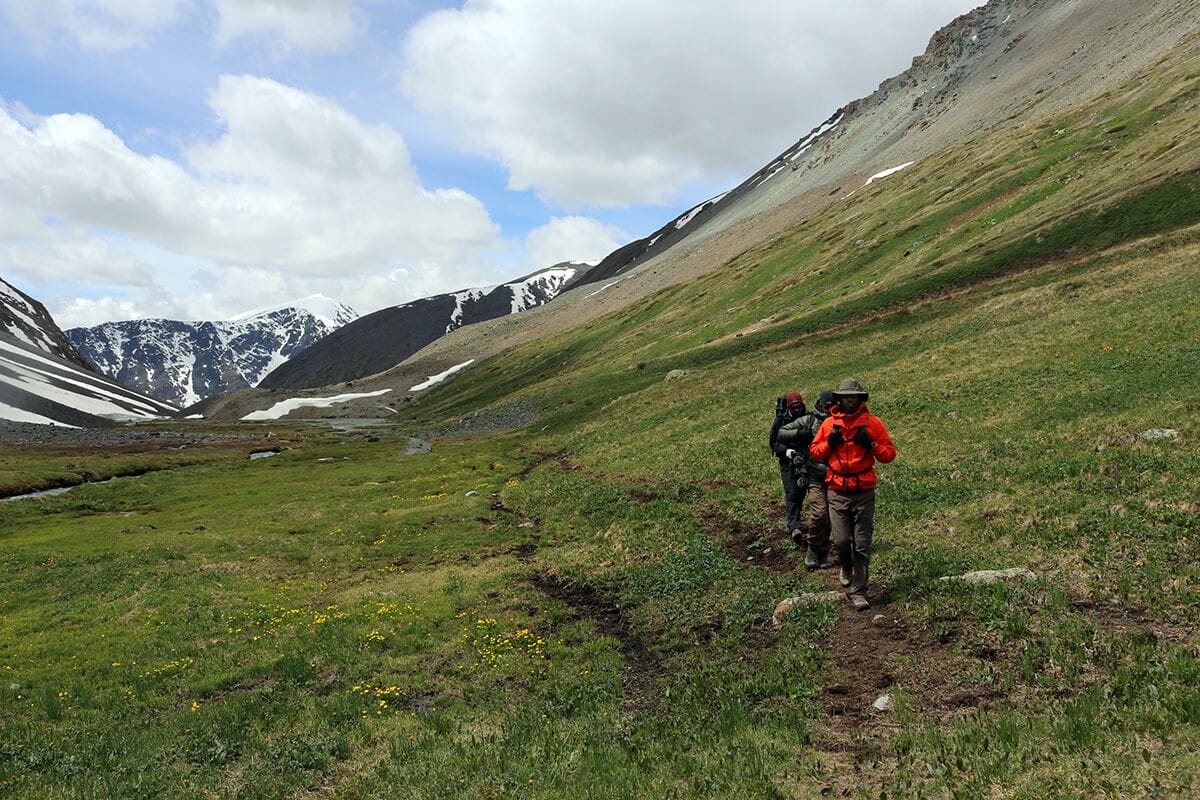
After breakfast, we’ll set out on a short hike to a nearby waterfall. Later, we’ll drive for about an hour to reach the Bituu River, where our packhorses will be waiting. After an early lunch, we’ll load our gear and begin riding by noon. The Bituu River marks the entrance to the pass that leads into the Valley of the Eight Lakes—a remote and breathtaking area shaped by ancient volcanic activity. Surrounded by extinct volcanoes and towering peaks, the valley lives up to its name with a chain of small, interconnected lakes.
Khuis Lake is one of the first lakes you'll encounter when entering the Valley of the Eight Lakes. Smaller in size but rich in charm, it stands out with a large rocky island at its center—an eye-catching feature that gives it a unique, almost mystical character. Surrounded by forested slopes and nestled in a quiet basin, Khuis Lake feels like a hidden sanctuary, offering a perfect moment of stillness before the trail becomes more rugged and adventurous.
Activities:
- Trekking through scenic trails
- Visit the serene Khuis Lake
Trek to Khuis lake (10 km)
After breakfast, we’ll set out on a short hike to a nearby waterfall. Later, we’ll drive for about an hour to reach the Bituu River, where our packhorses will be waiting. After an early lunch, we’ll load our gear and begin riding by noon. The Bituu River marks the entrance to the pass that leads into the Valley of the Eight Lakes—a remote and breathtaking area shaped by ancient volcanic activity. Surrounded by extinct volcanoes and towering peaks, the valley lives up to its name with a chain of small, interconnected lakes.
Khuis Lake is one of the first lakes you'll encounter when entering the Valley of the Eight Lakes. Smaller in size but rich in charm, it stands out with a large rocky island at its center—an eye-catching feature that gives it a unique, almost mystical character. Surrounded by forested slopes and nestled in a quiet basin, Khuis Lake feels like a hidden sanctuary, offering a perfect moment of stillness before the trail becomes more rugged and adventurous.
Activities:
- Trekking through scenic trails
- Visit the serene Khuis Lake
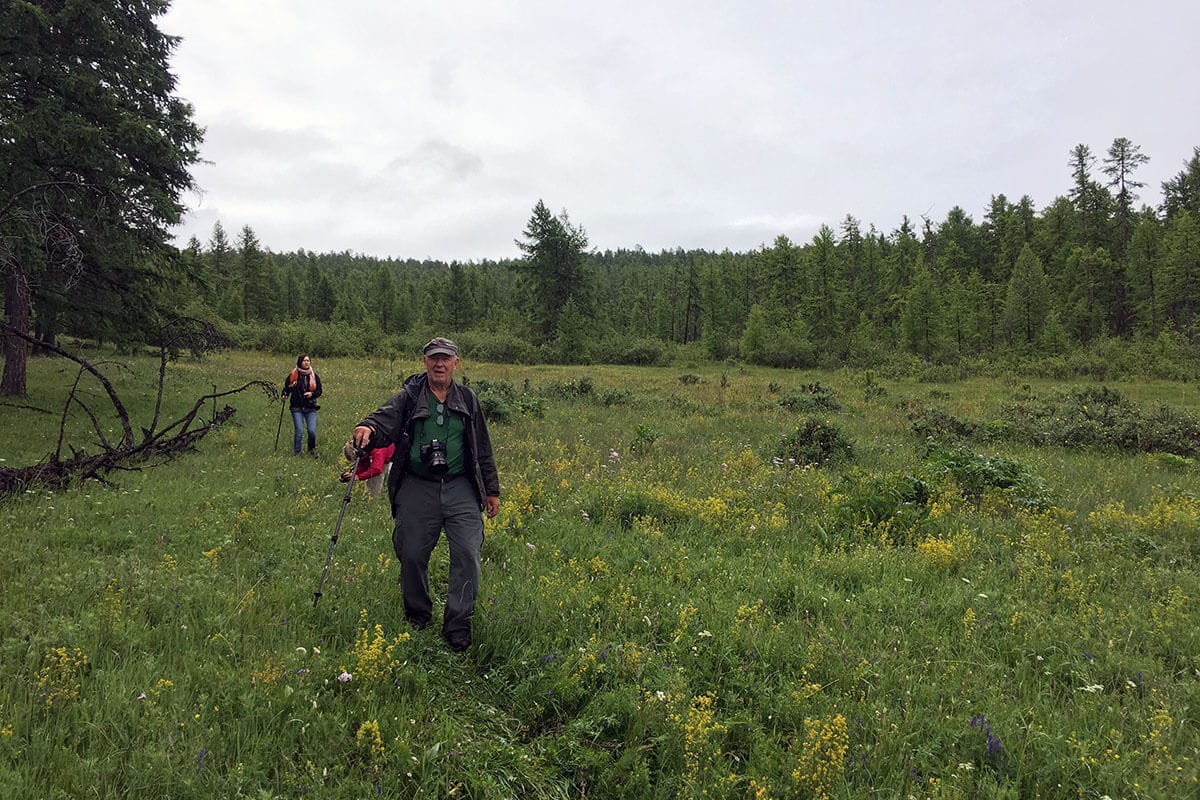
We will continue our trek to Shireet Lake is one of the crown jewels of the Valley of the Eight Lakes in Mongolia’s Khangai Mountains. Nestled deep in a volcanic basin, it’s the largest and most striking of the eight lakes, known for its crystal-clear waters, dramatic surroundings, and peaceful isolation. Towering cliffs, dense forests, and alpine meadows create a magical backdrop, making it a perfect reflection of untouched wilderness.
Activities:
- Trek through picturesque landscapes
- Explore the peaceful beauty of Shireet Lake
Trek to Shireet lakes (12 km)
We will continue our trek to Shireet Lake is one of the crown jewels of the Valley of the Eight Lakes in Mongolia’s Khangai Mountains. Nestled deep in a volcanic basin, it’s the largest and most striking of the eight lakes, known for its crystal-clear waters, dramatic surroundings, and peaceful isolation. Towering cliffs, dense forests, and alpine meadows create a magical backdrop, making it a perfect reflection of untouched wilderness.
Activities:
- Trek through picturesque landscapes
- Explore the peaceful beauty of Shireet Lake
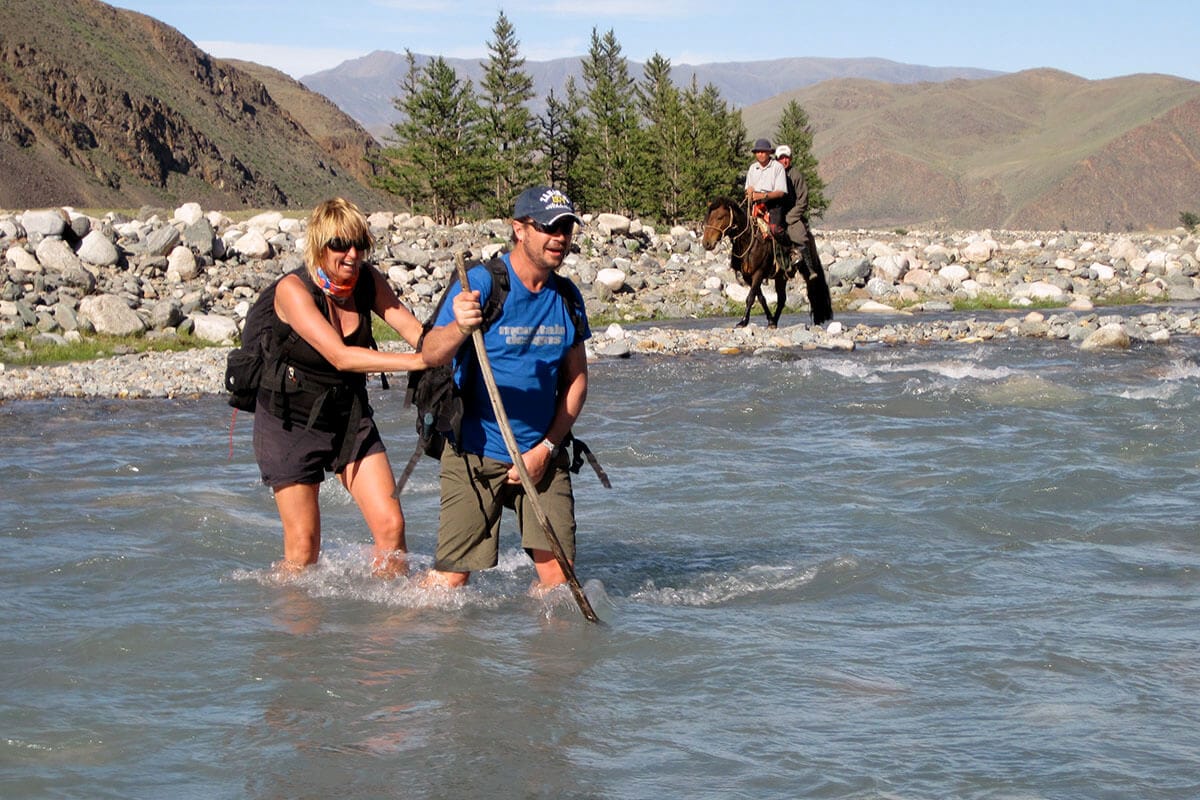
Bugat Lake is a peaceful gem tucked deep within the Valley of the Eight Lakes. Smaller and more secluded than some of its neighbouring lakes, it offers a quiet, reflective atmosphere—perfect for a restful pause during the trek. Surrounded by soft hills, larch forests, and wild alpine flowers, Bugat Lake feels like a hidden retreat in the heart of the wilderness. Khaliun Lake is one of the tranquil stops along the trail through the Valley of the Eight Lakes. Set against a backdrop of rugged cliffs and dense forest, it offers a striking contrast between wild terrain and still waters. It’s a peaceful, lesser-travelled spot where the only sounds are the wind through the trees and the occasional bird call—making it a perfect place to pause, reflect, and reconnect with nature. Waters add to the valley’s dreamlike charm.
Activities:
- Trek through the stunning terrain
- Explore the serene Bugat and Khaliun Rivers
Trek Bugat & Khaliun Lakes into the Buureg valley (15 km)
Bugat Lake is a peaceful gem tucked deep within the Valley of the Eight Lakes. Smaller and more secluded than some of its neighbouring lakes, it offers a quiet, reflective atmosphere—perfect for a restful pause during the trek. Surrounded by soft hills, larch forests, and wild alpine flowers, Bugat Lake feels like a hidden retreat in the heart of the wilderness. Khaliun Lake is one of the tranquil stops along the trail through the Valley of the Eight Lakes. Set against a backdrop of rugged cliffs and dense forest, it offers a striking contrast between wild terrain and still waters. It’s a peaceful, lesser-travelled spot where the only sounds are the wind through the trees and the occasional bird call—making it a perfect place to pause, reflect, and reconnect with nature. Waters add to the valley’s dreamlike charm.
Activities:
- Trek through the stunning terrain
- Explore the serene Bugat and Khaliun Rivers
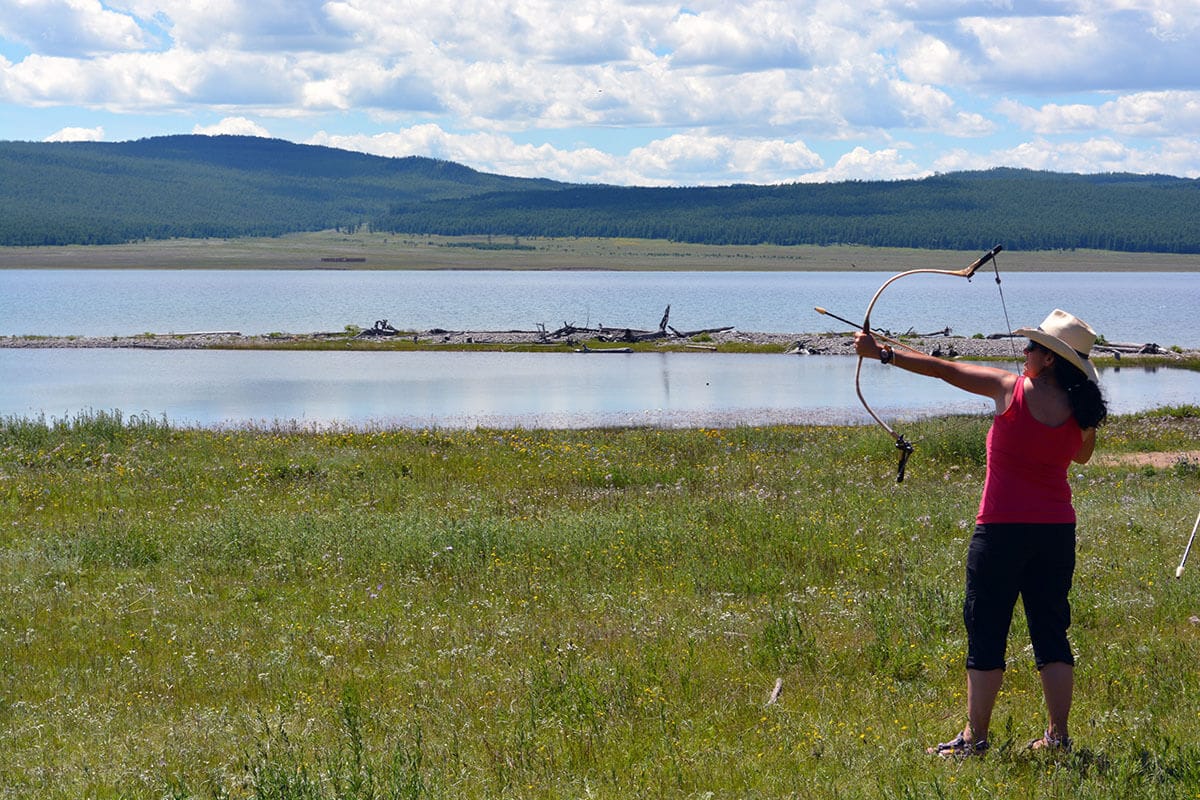
Shavart Lake is a tranquil and secluded gem tucked away in the Valley of the Eight Lakes. Encircled by gentle hills and scattered forests, it’s still waters perfectly reflect the sky and surrounding scenery. Unlike the more striking lakes in the valley, Shavart Lake offers a quieter, more intimate atmosphere—ideal for moments of solitude and reflection. This peaceful stop enhances the journey, offering a serene glimpse into the pristine beauty of the Khangai Mountains.
We'll continue our journey through a large volcanic rocky valley, where many families live with their livestock. The views of the lakes and volcanic craters are breath-taking.
Activities:
- Trek through the scenic landscape
- Explore the tranquil beauty of Shavart Lake
Trek to Shavart Lake (15 km)
Shavart Lake is a tranquil and secluded gem tucked away in the Valley of the Eight Lakes. Encircled by gentle hills and scattered forests, it’s still waters perfectly reflect the sky and surrounding scenery. Unlike the more striking lakes in the valley, Shavart Lake offers a quieter, more intimate atmosphere—ideal for moments of solitude and reflection. This peaceful stop enhances the journey, offering a serene glimpse into the pristine beauty of the Khangai Mountains.
We'll continue our journey through a large volcanic rocky valley, where many families live with their livestock. The views of the lakes and volcanic craters are breath-taking.
Activities:
- Trek through the scenic landscape
- Explore the tranquil beauty of Shavart Lake

Our journey ends today as we make our way back to the Orkhon Valley. In the afternoon, we’ll return to the nearby Gre camp near the waterfall, where we began our adventure. In the afternoon, we’ll visit a nomadic family that raises yaks and horses, giving us an insight into their traditional way of life. In the evening, we’ll enjoy a barbecue together under the open sky.
If 22 km trek is too long, vehicles can pick them up halfway.
Activities:
- Trek through the stunning landscape
- Visit a traditional nomadic family
- Savor a delicious Mongolian barbecue
Trek to Orkhon Valley & Waterfall (22 km)
Our journey ends today as we make our way back to the Orkhon Valley. In the afternoon, we’ll return to the nearby Gre camp near the waterfall, where we began our adventure. In the afternoon, we’ll visit a nomadic family that raises yaks and horses, giving us an insight into their traditional way of life. In the evening, we’ll enjoy a barbecue together under the open sky.
If 22 km trek is too long, vehicles can pick them up halfway.
Activities:
- Trek through the stunning landscape
- Visit a traditional nomadic family
- Savor a delicious Mongolian barbecue
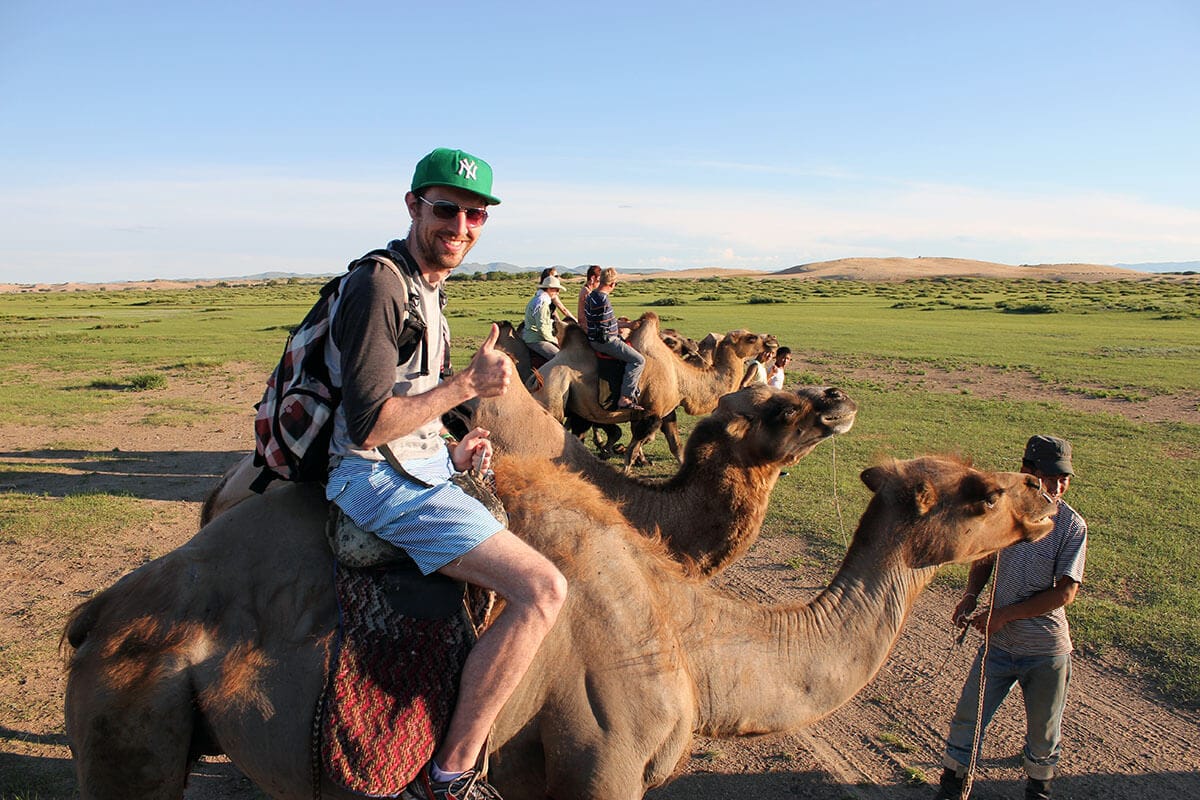
Khogno Khan Mountain is a scenic destination located in the central part of Mongolia. Known for its rugged terrain and dramatic landscapes, it is part of the Khogno Khan Uul Nature Reserve. The moutain rises from the surrounding steppe, offering expansive views of the vast, unspoiled wilderness. The area is steeped in history and natural beauty, with ancient monasteries like Ovgon Khiid nestled in its foothills, adding a spiritual dimension to the landscape.
Not far from the mountains we have the Elsen Tasarkhai Sand Dunes, often referred to as the Little Gobi, stretch for 100 kilometers.
Activities:
- Explore Elsen Tasarkhai sand dunes
- Discover Khogno Khan mountain
- Visit Ovgon monastery
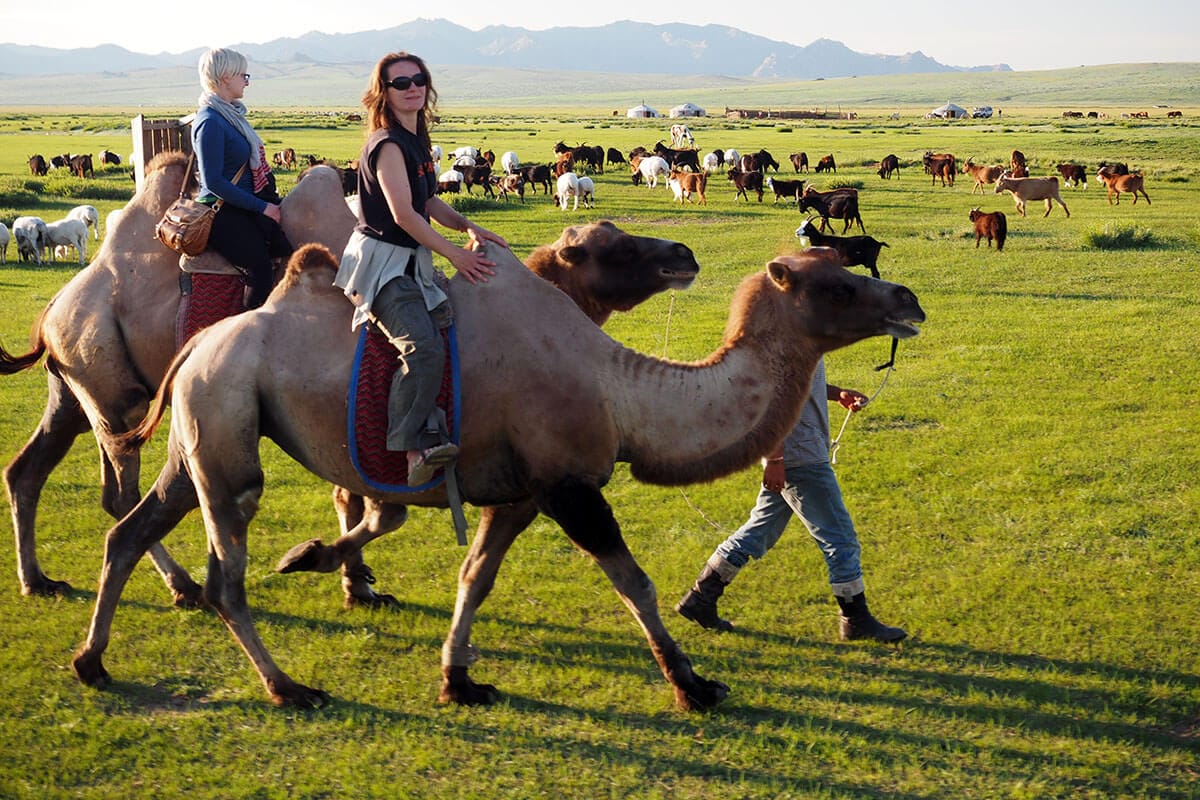
- Meet a camel breeding family
- Opportunity for camel riding
Khogno Khan Mountains & Elsen Tasarhai Sand Dune
Khogno Khan Mountain is a scenic destination located in the central part of Mongolia. Known for its rugged terrain and dramatic landscapes, it is part of the Khogno Khan Uul Nature Reserve. The moutain rises from the surrounding steppe, offering expansive views of the vast, unspoiled wilderness. The area is steeped in history and natural beauty, with ancient monasteries like Ovgon Khiid nestled in its foothills, adding a spiritual dimension to the landscape.
Not far from the mountains we have the Elsen Tasarkhai Sand Dunes, often referred to as the Little Gobi, stretch for 100 kilometers.
Activities:
- Explore Elsen Tasarkhai sand dunes
- Discover Khogno Khan mountain
- Visit Ovgon monastery
- Meet a camel breeding family
- Opportunity for camel riding
The time has come to depart and head back to Ulaanbaatar, Mongolia’s capital. You’ll have the afternoon free to explore at your leisure. Consider enjoying a captivating cultural show, where you can witness amazing contortionists, traditional throat singing, and colorful, rhythmic Mongolian dances.
Activities:
- Attend a folklore show featuring throat singers
- Shop for souvenir or cashmere. Optional
Drive to Ulaanbaatar
The time has come to depart and head back to Ulaanbaatar, Mongolia’s capital. You’ll have the afternoon free to explore at your leisure. Consider enjoying a captivating cultural show, where you can witness amazing contortionists, traditional throat singing, and colorful, rhythmic Mongolian dances.
Activities:
- Attend a folklore show featuring throat singers
- Shop for souvenir or cashmere. Optional
Similar Tours
Canoeing Orkhon Valley
- Moderate
- 15 days
- 13 / max
Big Loop
- Moderate
- 17 days
- 14 / max
The Secret of Gobi Desert & the Winding Steppes of Mongolia
- Moderate
- 8 days
- 14 / max
Winter national parks
- Moderate
- 3 days
- 14 / max
Naadam Festival
- Easy
- 2 days
- 14 / max
Cradle of Mongolian Civilization
- Moderate
- 5 days
- 14 / max
Camel Trek through Central Mongolian Grasslands
- Moderate
- 6 days
- 14 / max
Into the Wild: Trekking to Khagiin Khar Lake
- Challenge
- 8 days
- 14 / max
Discovering Central and Northern Mongolia
- Moderate
- 12 days
- 14 / max
Nature Escape close to Ulaanbaatar
- Moderate
- 3 days
- 14 / max