Tour Highlights:
•Altai Mountains
•Eagle Hunters of Bayan-Ölgii
•Nomadic Lifestyle
•Untouched Nature
•Petroglyphs & Ancient Sites
•Ethnic Diversity
Fly to Khovd & drive to Tsenkheriin Agui
Drive to Bayan-Olgii
Olgii – Oigor River
Trek to Base Camp
Trek to Malchin Peak
Trek to Tsagaan River River
Khoton & Khurgan Lakes
Drive back to Sagsai village
Achit Lake & Uureg Lake
Ulaangom
Fly back to Ulaanbaatar from Ulaangom

Day To Day Itinerary
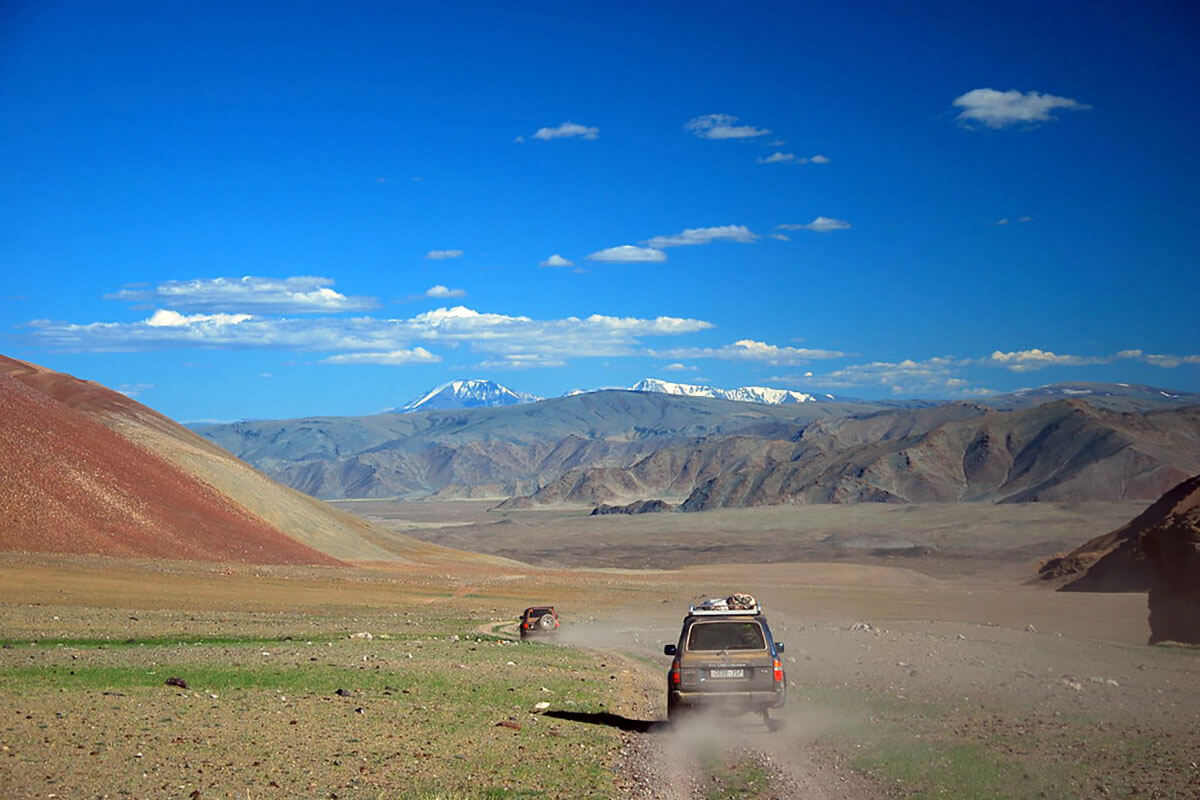
Today, we board a two-hour flight to Khovd Province, a region celebrated for its rich cultural diversity, home to over 17 distinct nationalities and ethnic groups. Among them, the Kazakh Mongols form a significant community, fluent in both Kazakh and Mongolian languages. Upon arrival, we explore the northern part of Khovd city, where the remnants of the Manchu fort, Sangiin Kherem, still stand. Built in the 18th century, this fort once served as the residence and administrative center for the Manchu amban (governor), offering a glimpse into the region’s historical ties with the Qing Dynasty. After touring the town, we journey to the Tsenkheriin Agui caves, also known as Khoid Tsenkher. These ancient caves are renowned for their prehistoric cave paintings, estimated to be around 20,000 years old. The artwork vividly depicts extinct animals such as mammoths and ostriches, suggesting that these species roamed Mongolia until approximately 15,000 years ago.
- Flight for 2 hours
- Explore Khovd town
- Discover Tsenkheriin Agui cave
Fly to Khovd & drive to Tsenkheriin Agui
Today, we board a two-hour flight to Khovd Province, a region celebrated for its rich cultural diversity, home to over 17 distinct nationalities and ethnic groups. Among them, the Kazakh Mongols form a significant community, fluent in both Kazakh and Mongolian languages. Upon arrival, we explore the northern part of Khovd city, where the remnants of the Manchu fort, Sangiin Kherem, still stand. Built in the 18th century, this fort once served as the residence and administrative center for the Manchu amban (governor), offering a glimpse into the region’s historical ties with the Qing Dynasty. After touring the town, we journey to the Tsenkheriin Agui caves, also known as Khoid Tsenkher. These ancient caves are renowned for their prehistoric cave paintings, estimated to be around 20,000 years old. The artwork vividly depicts extinct animals such as mammoths and ostriches, suggesting that these species roamed Mongolia until approximately 15,000 years ago.
- Flight for 2 hours
- Explore Khovd town
- Discover Tsenkheriin Agui cave
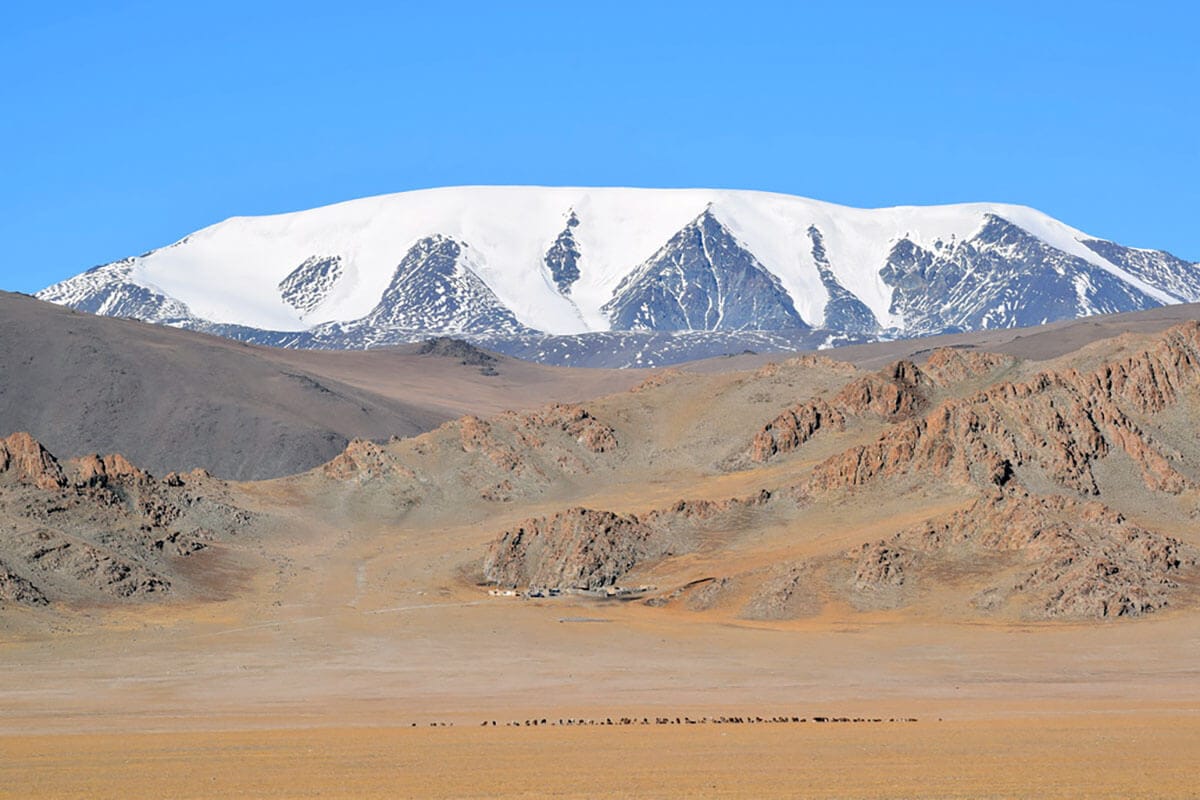
This journey leads you into one of Mongolia’s most remote and rarely visited regions—a place where only a few travellers have ventured. Western Mongolia offers a fascinating fusion of Islamic and Mongolian traditions, set against a backdrop of raw, untamed wilderness. As you move through this striking landscape, expect a journey filled with rich cultural encounters and moments of awe. Today, we travel to Ölgii, the capital of Bayan-Ölgii Province. Unlike much of Mongolia, which is predominantly inhabited by Khalkh Mongols, Bayan-Ölgii is primarily home to ethnic Kazakhs, most of whom practice Islam. The city features its own modest mosque, reflecting the region’s distinct cultural identity. En route to Ölgii, we’ll stop at the beautiful Tolbo Lake, a clear freshwater lake situated at 2,080 meters above sea level. Beyond its natural beauty, Tolbo Lake holds historical significance as the site of a major battle during the 1920s war for Mongolian independence. Several monuments here pay tribute to the bravery and sacrifice of Mongolian soldiers. As we continue, we’ll be treated to views of the majestic Tsambagarav Mountain, Mongolia’s third-highest peak, rising to 4,208 meters. Snow-capped year-round, this towering mountain lies within the Tsambagarav Uul National Park, a protected area spanning 110,000 hectares. The mountain also marks the natural boundary between Khovd and Bayan-Ölgii provinces.
- A stunning view of Tsambagarav mountain
- Explore Olgii town
- Take a break at the picturesque Tolbo lake
Drive to Bayan-Olgii
This journey leads you into one of Mongolia’s most remote and rarely visited regions—a place where only a few travellers have ventured. Western Mongolia offers a fascinating fusion of Islamic and Mongolian traditions, set against a backdrop of raw, untamed wilderness. As you move through this striking landscape, expect a journey filled with rich cultural encounters and moments of awe. Today, we travel to Ölgii, the capital of Bayan-Ölgii Province. Unlike much of Mongolia, which is predominantly inhabited by Khalkh Mongols, Bayan-Ölgii is primarily home to ethnic Kazakhs, most of whom practice Islam. The city features its own modest mosque, reflecting the region’s distinct cultural identity. En route to Ölgii, we’ll stop at the beautiful Tolbo Lake, a clear freshwater lake situated at 2,080 meters above sea level. Beyond its natural beauty, Tolbo Lake holds historical significance as the site of a major battle during the 1920s war for Mongolian independence. Several monuments here pay tribute to the bravery and sacrifice of Mongolian soldiers. As we continue, we’ll be treated to views of the majestic Tsambagarav Mountain, Mongolia’s third-highest peak, rising to 4,208 meters. Snow-capped year-round, this towering mountain lies within the Tsambagarav Uul National Park, a protected area spanning 110,000 hectares. The mountain also marks the natural boundary between Khovd and Bayan-Ölgii provinces.
- A stunning view of Tsambagarav mountain
- Explore Olgii town
- Take a break at the picturesque Tolbo lake

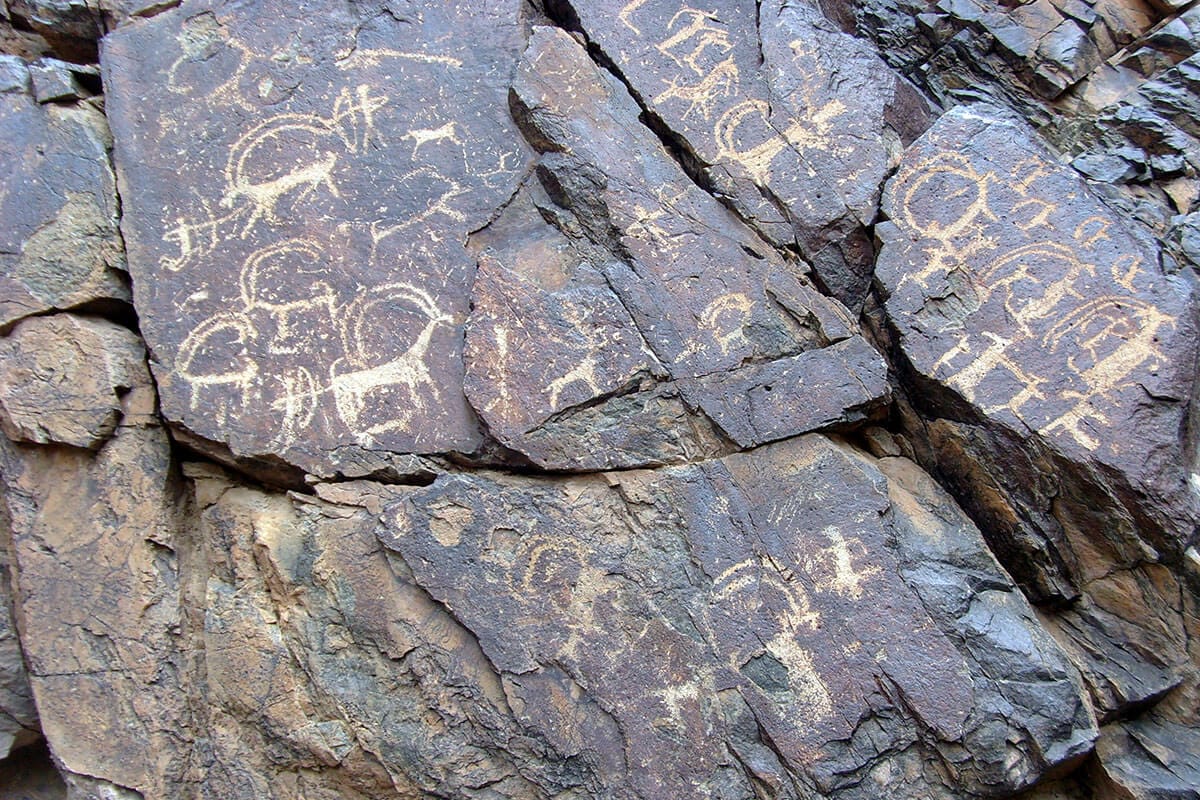
Altai Tavan Bogd is a breathtaking national park covering 636,161 hectares along the western edge of Bayan-Ölgii Province, encompassing the soums of Ulaan Khus, Tsengel, Sagsai, and Altai. Situated in Mongolia's far west, this dramatic landscape is defined by towering, glacier-capped peaks and expansive alpine terrain. At the heart of the park stands Khüiten Uul, the highest point in Mongolia, reaching an elevation of 4,374 meters above sea level. The park stretches over 200 kilometers, tracing the majestic Altai Mountain Range, which forms the natural border between Mongolia, Russia, China, and Kazakhstan. Altai Tavan Bogd is not only a geographical marvel but also a treasure trove of ancient history. Scattered across its valleys are tens of thousands of petroglyphs, part of a UNESCO World Heritage Site, offering a glimpse into early human expression. The park is also home to numerous Turkic Stone Men (balbals) and ancient stone burial mounds, silent testaments to Mongolia’s rich and layered past.
- Drive through Altai Tavan Bogd national park
Olgii – Oigor River
Altai Tavan Bogd is a breathtaking national park covering 636,161 hectares along the western edge of Bayan-Ölgii Province, encompassing the soums of Ulaan Khus, Tsengel, Sagsai, and Altai. Situated in Mongolia's far west, this dramatic landscape is defined by towering, glacier-capped peaks and expansive alpine terrain. At the heart of the park stands Khüiten Uul, the highest point in Mongolia, reaching an elevation of 4,374 meters above sea level. The park stretches over 200 kilometers, tracing the majestic Altai Mountain Range, which forms the natural border between Mongolia, Russia, China, and Kazakhstan. Altai Tavan Bogd is not only a geographical marvel but also a treasure trove of ancient history. Scattered across its valleys are tens of thousands of petroglyphs, part of a UNESCO World Heritage Site, offering a glimpse into early human expression. The park is also home to numerous Turkic Stone Men (balbals) and ancient stone burial mounds, silent testaments to Mongolia’s rich and layered past.
- Drive through Altai Tavan Bogd national park
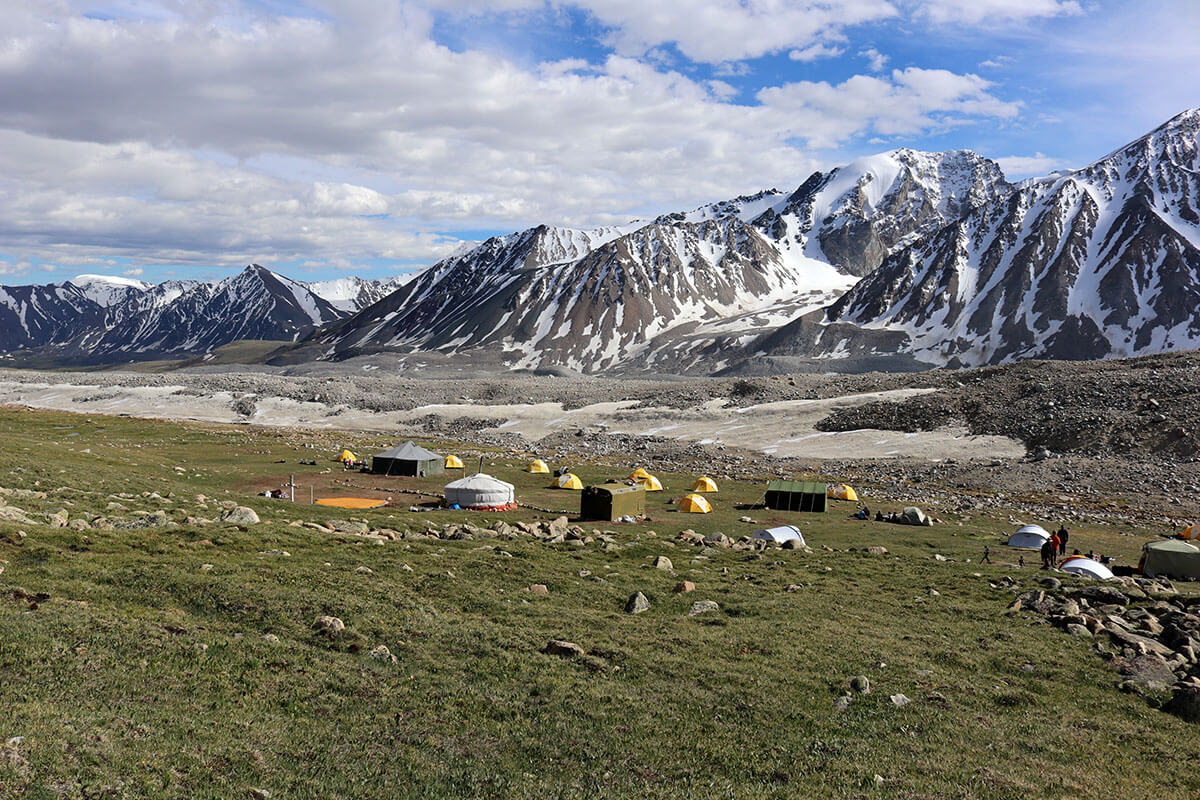
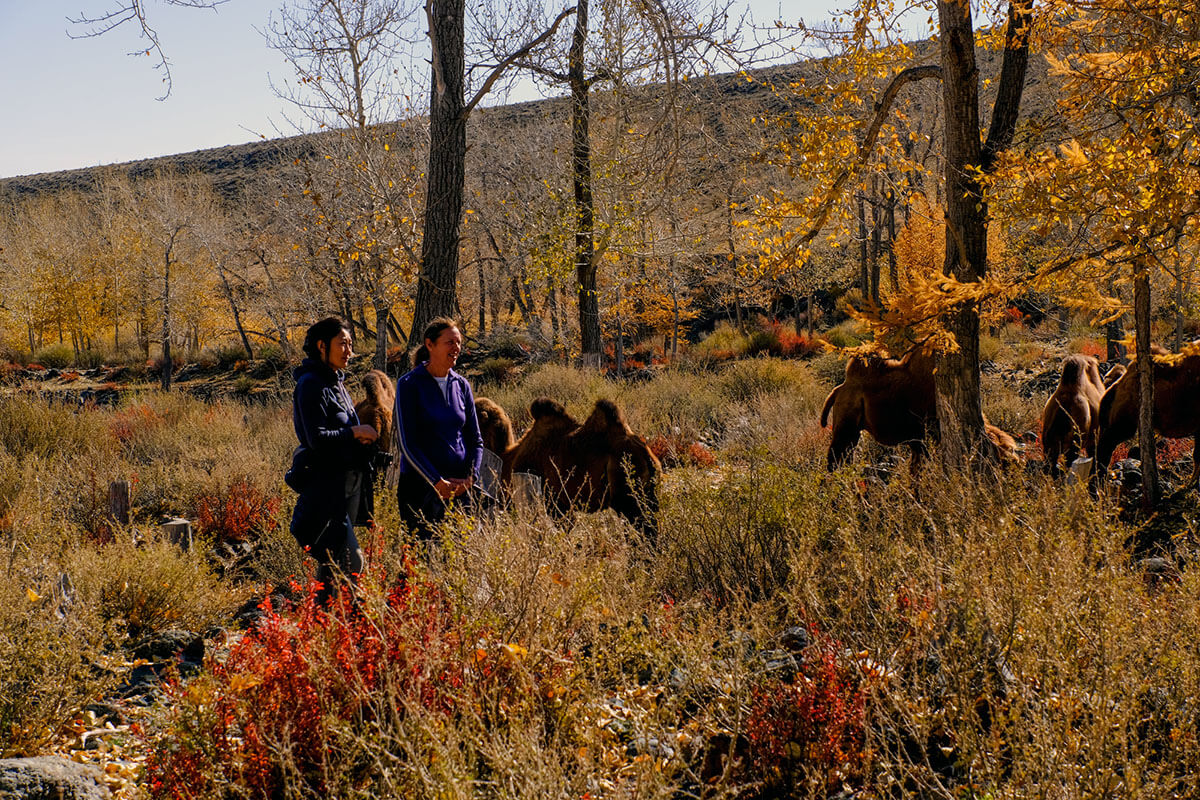
Today marks the beginning of our trek into the heart of Tavan Bogd, as we set off on an 18-kilometer descent to Base Camp. Our gear will be transported by camels, guided by the warm and hospitable Tuvan people, whose support and expertise are essential on this journey. As we make our way through the rugged terrain, we’ll pass alongside the awe-inspiring Potanin and Alexander Glaciers, with their jagged ice peaks glistening under the high-altitude sun. These massive glaciers, located between 3,500 and 4,000 meters above sea level, stretch for 16 kilometers and serve as the source of the Tsagaan River.
Our Base Camp, located at an elevation of 3,000 meters, offers stunning views of the surrounding snow-capped mountains and glacial valleys. Once we arrive, we’ll set up our tents and take time to rest and prepare for the next day’s ascent to Malchin Peak.
- Trek about 16 km for 5-7 hours
Trek to Base Camp
Today marks the beginning of our trek into the heart of Tavan Bogd, as we set off on an 18-kilometer descent to Base Camp. Our gear will be transported by camels, guided by the warm and hospitable Tuvan people, whose support and expertise are essential on this journey. As we make our way through the rugged terrain, we’ll pass alongside the awe-inspiring Potanin and Alexander Glaciers, with their jagged ice peaks glistening under the high-altitude sun. These massive glaciers, located between 3,500 and 4,000 meters above sea level, stretch for 16 kilometers and serve as the source of the Tsagaan River.
Our Base Camp, located at an elevation of 3,000 meters, offers stunning views of the surrounding snow-capped mountains and glacial valleys. Once we arrive, we’ll set up our tents and take time to rest and prepare for the next day’s ascent to Malchin Peak.
- Trek about 16 km for 5-7 hours
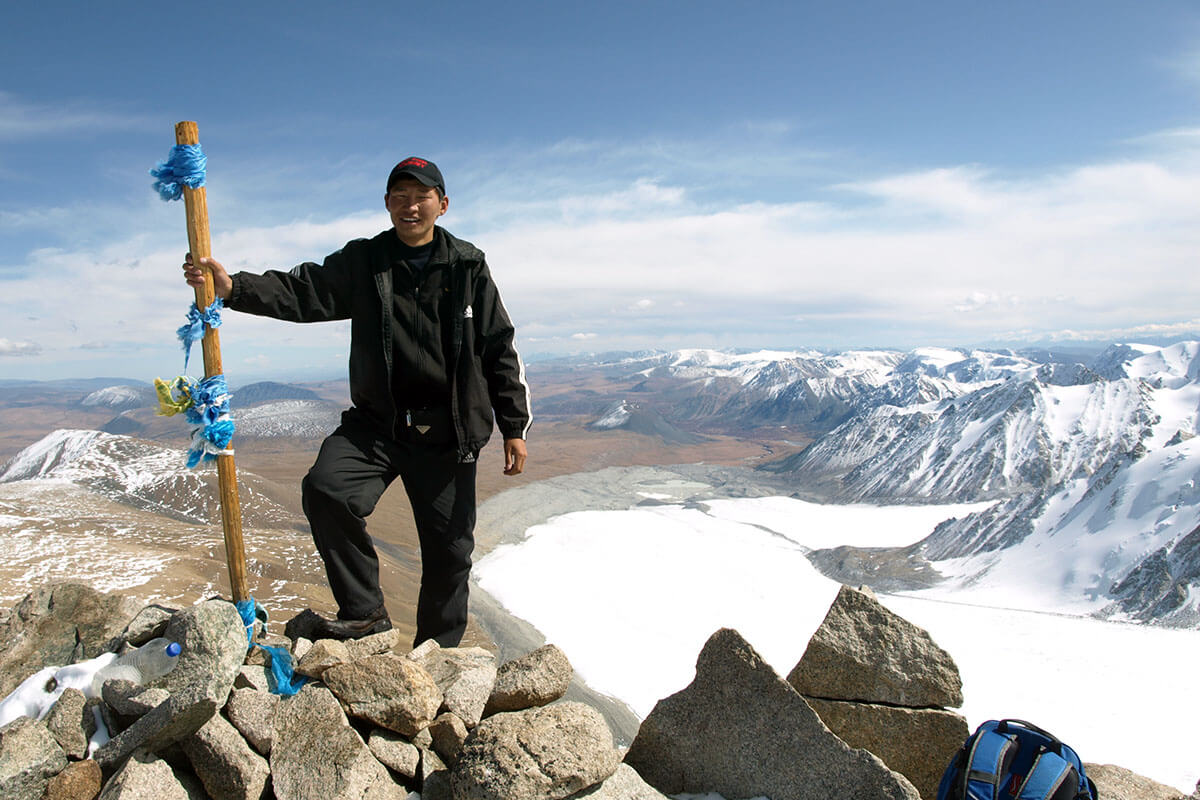
After a hearty breakfast, we’ll begin our ascent toward the Tavan Bogd Glacier, venturing into a dramatic high-altitude landscape of wetlands, rocky ridges, and alpine vistas. Our goal today is Malchin Peak, the lowest of the five sacred peaks of Tavan Bogd, standing at 4,050 meters. The trek will take approximately six hours, primarily following rugged, rocky trails. Though the climb is non-technical, it requires stamina and a steady pace. As we reach the summit, we’ll be rewarded with panoramic views stretching into Russia and China, a truly unforgettable sight. From this vantage point, you’ll gaze across the snow-capped Tavan Bogd massif, including its sprawling glacier and the towering Khüiten Peak, Mongolia’s highest point and the crown of the Altai Range. After soaking in the scenery and capturing the moment, we’ll descend back to Base Camp for a well-earned rest.
- Trek for about 6 hours
Trek to Malchin Peak
After a hearty breakfast, we’ll begin our ascent toward the Tavan Bogd Glacier, venturing into a dramatic high-altitude landscape of wetlands, rocky ridges, and alpine vistas. Our goal today is Malchin Peak, the lowest of the five sacred peaks of Tavan Bogd, standing at 4,050 meters. The trek will take approximately six hours, primarily following rugged, rocky trails. Though the climb is non-technical, it requires stamina and a steady pace. As we reach the summit, we’ll be rewarded with panoramic views stretching into Russia and China, a truly unforgettable sight. From this vantage point, you’ll gaze across the snow-capped Tavan Bogd massif, including its sprawling glacier and the towering Khüiten Peak, Mongolia’s highest point and the crown of the Altai Range. After soaking in the scenery and capturing the moment, we’ll descend back to Base Camp for a well-earned rest.
- Trek for about 6 hours
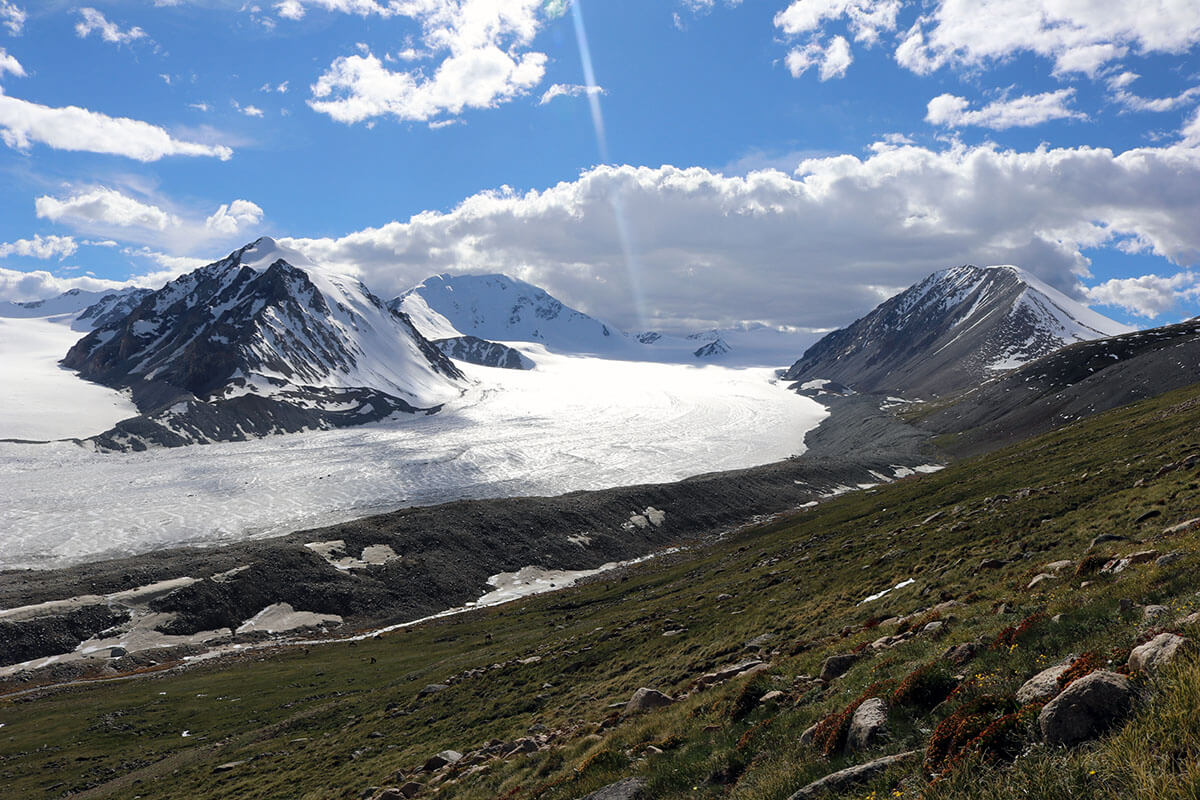
Today, we follow the course of the Tsagaan Gol River on foot, trekking through its striking valley landscape. In the afternoon, we’ll reunite with our vehicles and prepare for the next leg of our journey.
- Trek 16 km for about 6 hours
Trek to Tsagaan River River
Today, we follow the course of the Tsagaan Gol River on foot, trekking through its striking valley landscape. In the afternoon, we’ll reunite with our vehicles and prepare for the next leg of our journey.
- Trek 16 km for about 6 hours
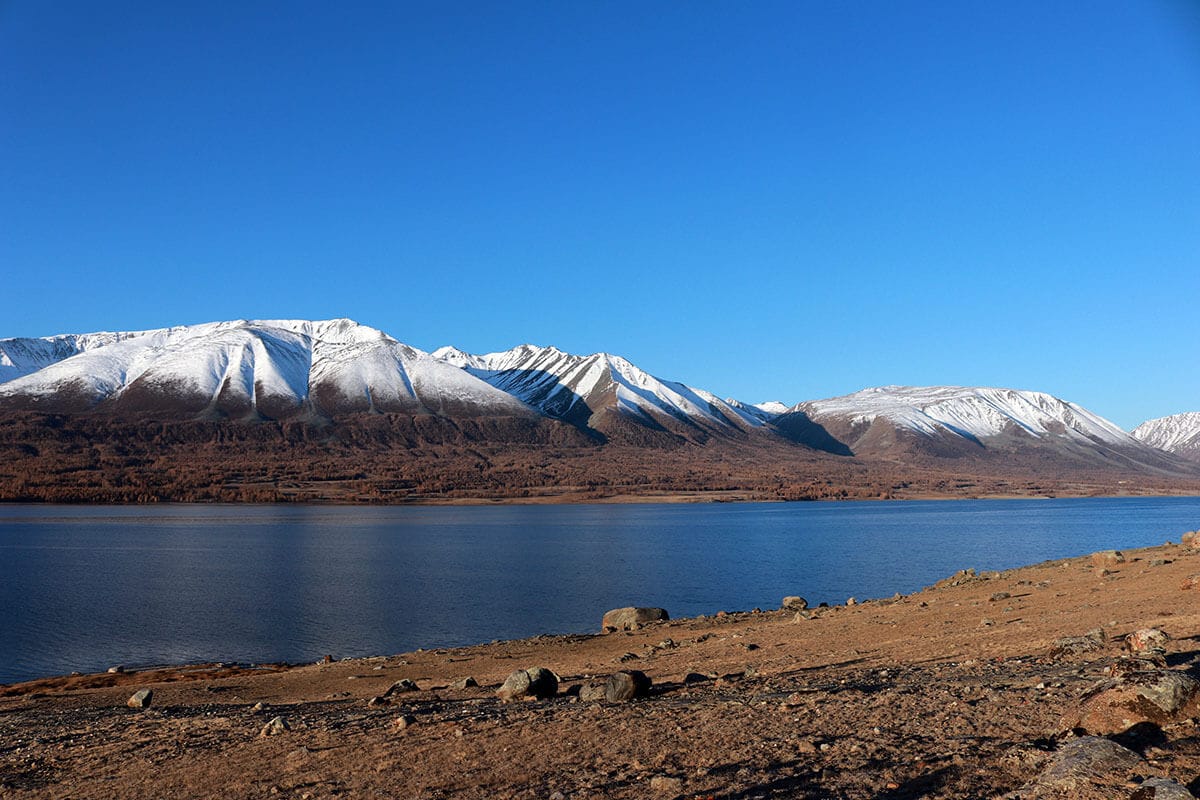
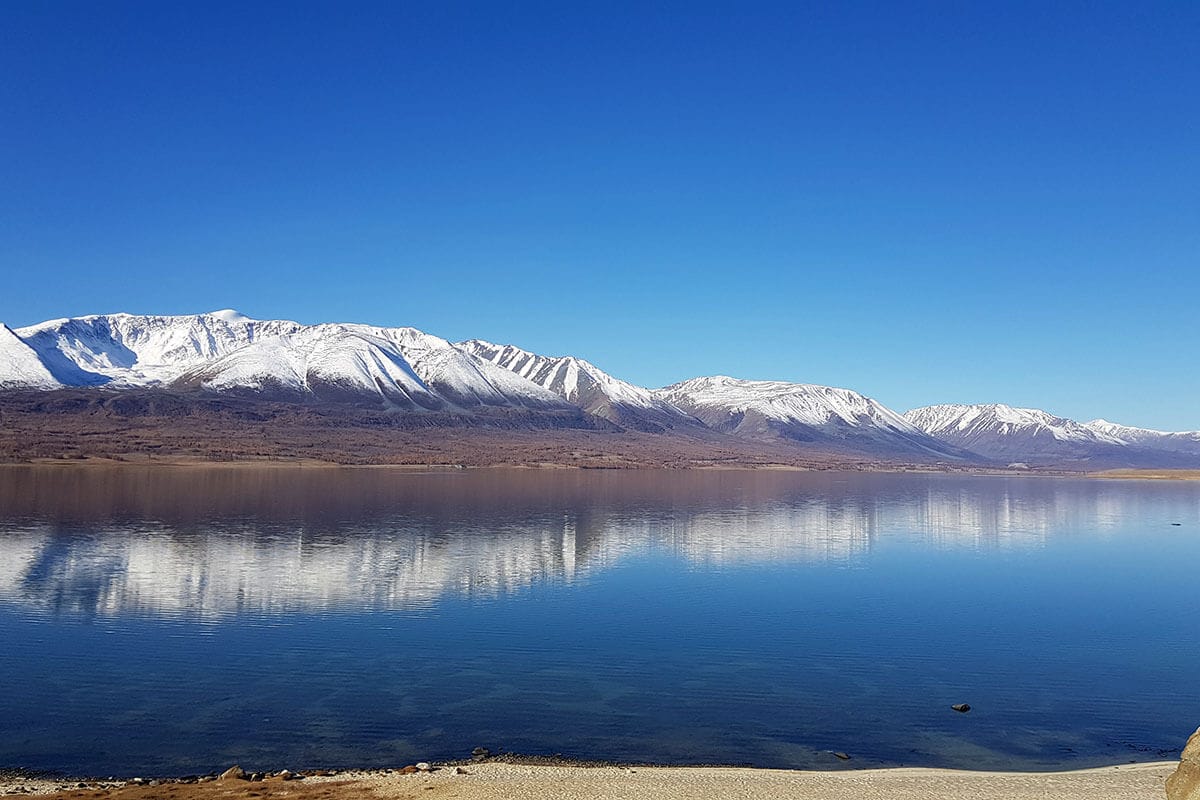
Today, we set out for the breathtaking Khurgan and Khoton Lakes, a pair of glacial lakes known for their crystal-clear waters and stunning alpine surroundings. Along the way, we’ll stop at Tsengel sum, home to a UNESCO World Heritage Site, where we can admire the ancient and intricately carved Deer Stones, located just 15 kilometers to the south.
Khurgan and Khoton are Mongolia’s second-largest lakes, renowned for their clarity and natural beauty. They reach an average depth of 26 meters, with some areas plunging to 58 meters.
We’ll spend an additional day exploring the area, soaking in the tranquillity and discovering the hidden gems around the lakes. About 10 kilometres from the shore, we’ll visit a picturesque waterfall, a perfect spot for hiking, photography, and quiet reflection in nature’s embrace. We will visit Baga Turgen waterfall in the area.
- Discover the enchanting lake areas
- Uncover the ancient deer stones
- Explore Baga Turgen Khurkheree
Khoton & Khurgan Lakes
Today, we set out for the breathtaking Khurgan and Khoton Lakes, a pair of glacial lakes known for their crystal-clear waters and stunning alpine surroundings. Along the way, we’ll stop at Tsengel sum, home to a UNESCO World Heritage Site, where we can admire the ancient and intricately carved Deer Stones, located just 15 kilometers to the south.
Khurgan and Khoton are Mongolia’s second-largest lakes, renowned for their clarity and natural beauty. They reach an average depth of 26 meters, with some areas plunging to 58 meters.
We’ll spend an additional day exploring the area, soaking in the tranquillity and discovering the hidden gems around the lakes. About 10 kilometres from the shore, we’ll visit a picturesque waterfall, a perfect spot for hiking, photography, and quiet reflection in nature’s embrace. We will visit Baga Turgen waterfall in the area.
- Discover the enchanting lake areas
- Uncover the ancient deer stones
- Explore Baga Turgen Khurkheree

Today, we will visit Kazakh families living in their traditional gers, which are larger than typical Mongolian gers and beautifully decorated with intricate handmade rugs. Over a warm cup of tea, we’ll savor authentic Kazakh dishes such as Kuz (salted and smoked horse meat) and Beshbarmak, sharing stories and gaining deeper insight into the rich customs and culture of the Kazakh people. For more than 2,000 years, Kazakhs have practiced the ancient art of training Golden Eagles for hunting. These magnificent birds help protect livestock by hunting foxes and wolves that threaten herds. The eagles—always female for their superior hunting skills and larger size—are captured from their nests as young chicks and undergo intensive training for up to a year. After spending several years alongside their human companions, these majestic hunters are eventually released back into the wild.
- Visit an eagle hunting family
- Discover the techniques of eagle hunting
Drive back to Sagsai village
Today, we will visit Kazakh families living in their traditional gers, which are larger than typical Mongolian gers and beautifully decorated with intricate handmade rugs. Over a warm cup of tea, we’ll savor authentic Kazakh dishes such as Kuz (salted and smoked horse meat) and Beshbarmak, sharing stories and gaining deeper insight into the rich customs and culture of the Kazakh people. For more than 2,000 years, Kazakhs have practiced the ancient art of training Golden Eagles for hunting. These magnificent birds help protect livestock by hunting foxes and wolves that threaten herds. The eagles—always female for their superior hunting skills and larger size—are captured from their nests as young chicks and undergo intensive training for up to a year. After spending several years alongside their human companions, these majestic hunters are eventually released back into the wild.
- Visit an eagle hunting family
- Discover the techniques of eagle hunting
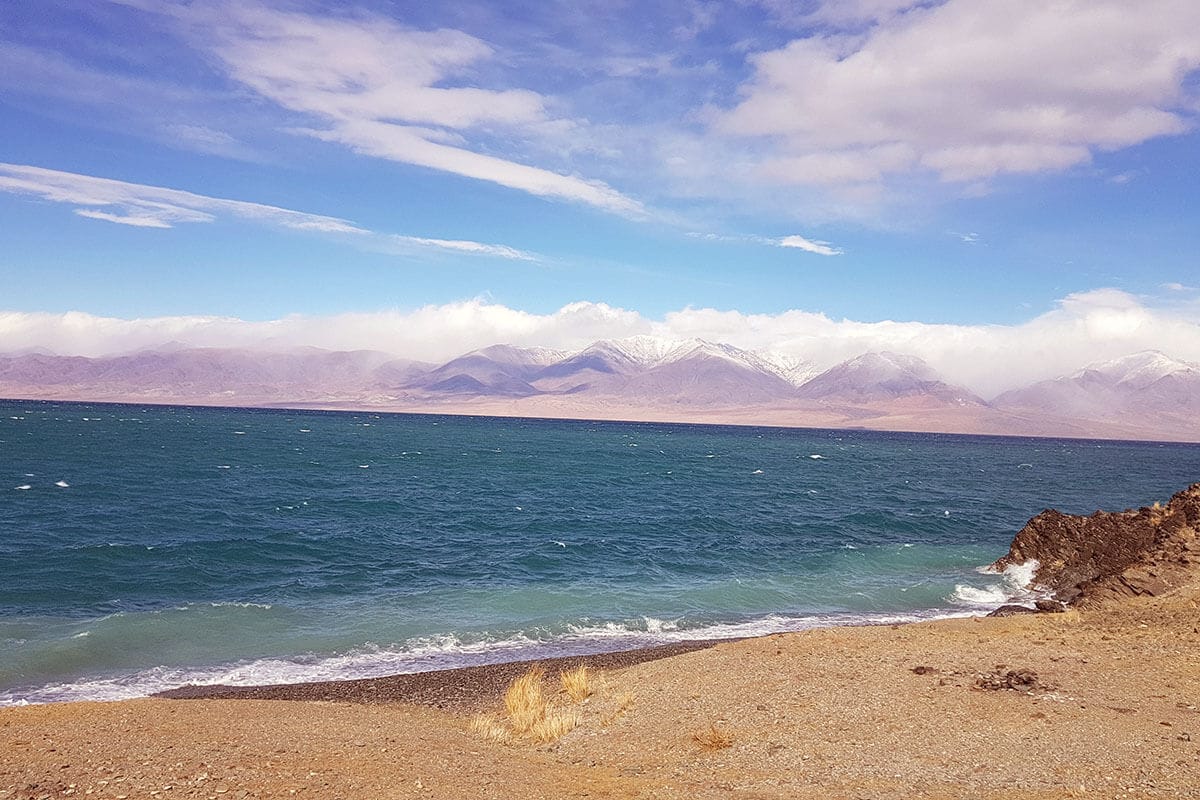
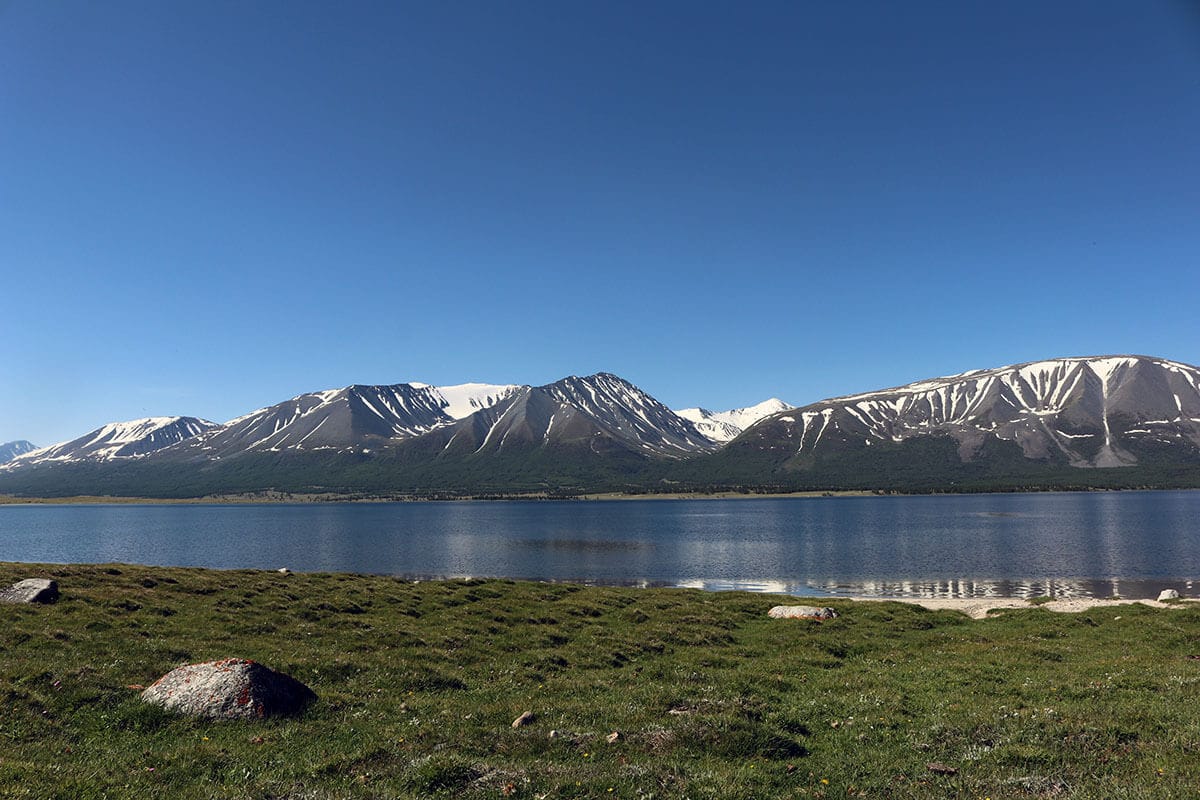
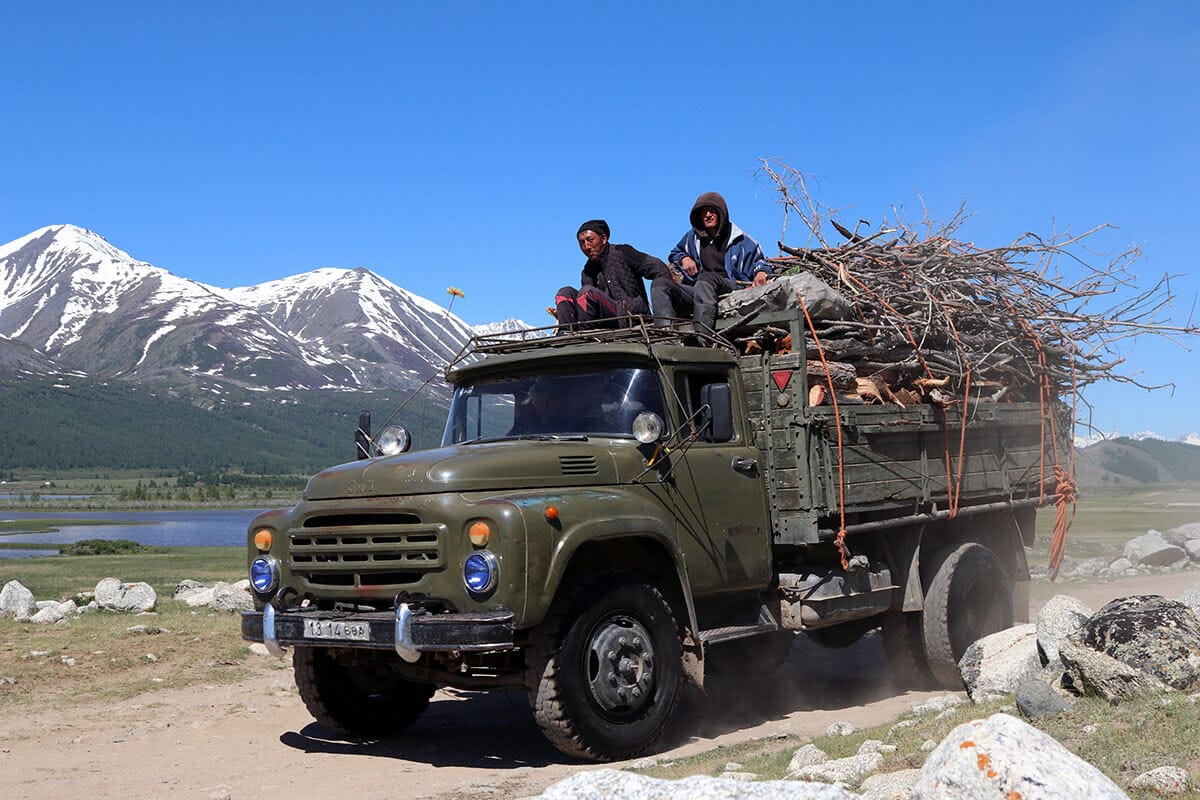
Achit Lake is the largest freshwater lake in the province, celebrated for its rich diversity of waterbird species. Our journey to the lake will take us across the Ogotor Hamar Pass, where sweeping views of the surrounding landscape unfold before us, offering a spectacular introduction to the region. Today, our destination is Uureg Lake, a vast and stunning body of slightly salty water, nestled amid towering mountains and snow-capped peaks that rise above 3,000 meters. At the entrance to the valley, we’ll encounter traditional summer gers belonging to nomadic families, a glimpse into the enduring nomadic lifestyle. As we approach the lake, we’ll cross the Ulaan Davaa Pass, taking in breathtaking views of the striking red mountains and the expansive valley floor stretching out below. Uureg Lake is a paradise for outdoor enthusiasts, offering excellent opportunities for swimming, hiking, fishing, and bird watching. The sunrises and sunsets here are nothing short of magical—dramatic displays of color that make you feel as if you’re standing at the very edge of the world, the sole witness to nature’s grandeur. We will spend the night camping along the tranquil lakeshore, fully immersed in the peaceful beauty of this remarkable landscape.
- Explore Achit Lake
- Discover Uureg lake
Achit Lake & Uureg Lake
Achit Lake is the largest freshwater lake in the province, celebrated for its rich diversity of waterbird species. Our journey to the lake will take us across the Ogotor Hamar Pass, where sweeping views of the surrounding landscape unfold before us, offering a spectacular introduction to the region. Today, our destination is Uureg Lake, a vast and stunning body of slightly salty water, nestled amid towering mountains and snow-capped peaks that rise above 3,000 meters. At the entrance to the valley, we’ll encounter traditional summer gers belonging to nomadic families, a glimpse into the enduring nomadic lifestyle. As we approach the lake, we’ll cross the Ulaan Davaa Pass, taking in breathtaking views of the striking red mountains and the expansive valley floor stretching out below. Uureg Lake is a paradise for outdoor enthusiasts, offering excellent opportunities for swimming, hiking, fishing, and bird watching. The sunrises and sunsets here are nothing short of magical—dramatic displays of color that make you feel as if you’re standing at the very edge of the world, the sole witness to nature’s grandeur. We will spend the night camping along the tranquil lakeshore, fully immersed in the peaceful beauty of this remarkable landscape.
- Explore Achit Lake
- Discover Uureg lake
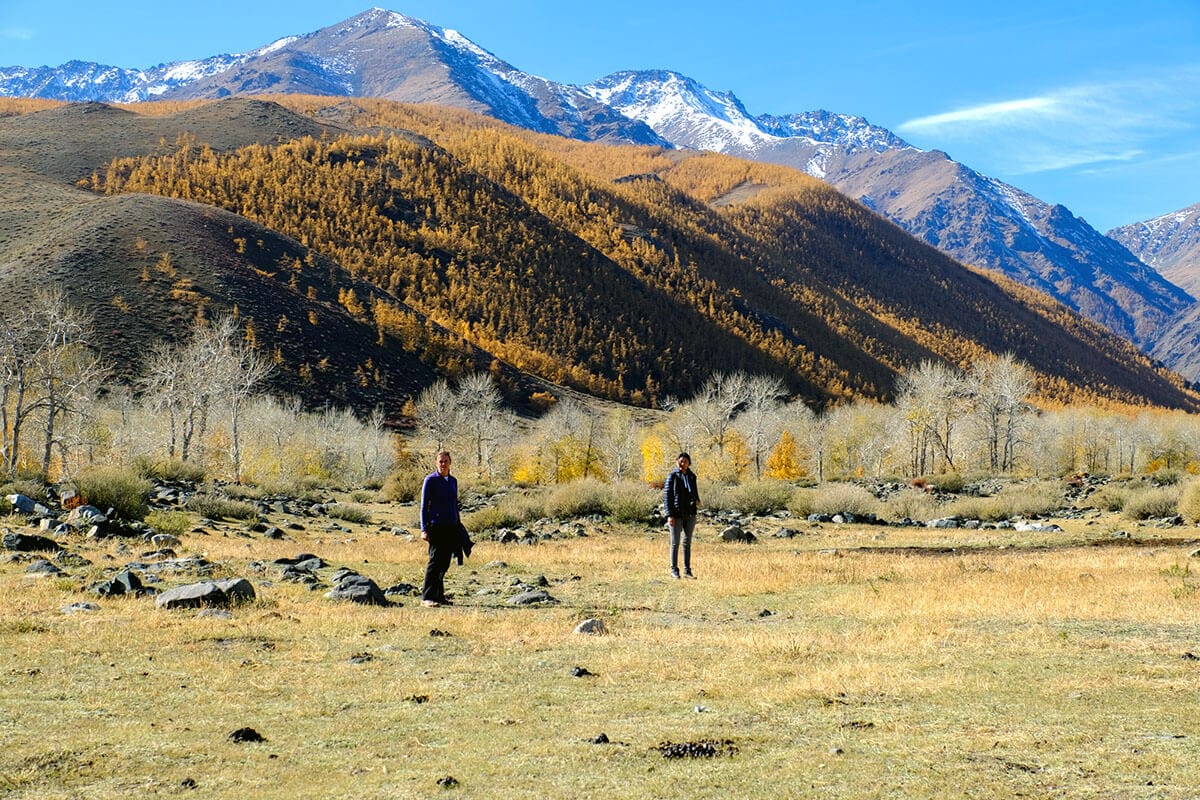
Located in Mongolia’s remote northwestern corner, Uvs Province is a land of dramatic contrasts and natural splendor. Its landscapes are shaped by eternally snow-capped mountains, ancient glaciers, rushing rivers, vast sand dunes, and a mix of saltwater and freshwater lakes, all supporting an impressive array of flora and fauna. After a brief stop at the local market, we’ll continue our journey along a rugged yet scenic road that winds its way into the Kharkhiraa Valley, following the course of the Kharkhiraa River. This river, born from the icy slopes of Kharkhiraa Mountain, eventually makes its way to the great Uvs Lake, adding to the unique ecological richness of the region.
- Explore Ulaangom town
- Embark on a drive towards Kharkhiraa mountain
- Drive to the shore of Uvs lake
Ulaangom
Located in Mongolia’s remote northwestern corner, Uvs Province is a land of dramatic contrasts and natural splendor. Its landscapes are shaped by eternally snow-capped mountains, ancient glaciers, rushing rivers, vast sand dunes, and a mix of saltwater and freshwater lakes, all supporting an impressive array of flora and fauna. After a brief stop at the local market, we’ll continue our journey along a rugged yet scenic road that winds its way into the Kharkhiraa Valley, following the course of the Kharkhiraa River. This river, born from the icy slopes of Kharkhiraa Mountain, eventually makes its way to the great Uvs Lake, adding to the unique ecological richness of the region.
- Explore Ulaangom town
- Embark on a drive towards Kharkhiraa mountain
- Drive to the shore of Uvs lake

The time has come to begin our journey back to Ulaanbaatar, Mongolia’s bustling capital. Depending on your flight schedule, you’ll have free time in the afternoon to spend at your leisure. For a memorable conclusion to your adventure, consider attending a captivating cultural performance, where you can marvel at the incredible skill of Mongolian contortionists and enjoy the vibrant energy of traditional music and dance, a true celebration of the nation's rich heritage.
- Attend folklore show with throat singers
- Shop for souvenir or cashmere
Fly back to Ulaanbaatar from Ulaangom
The time has come to begin our journey back to Ulaanbaatar, Mongolia’s bustling capital. Depending on your flight schedule, you’ll have free time in the afternoon to spend at your leisure. For a memorable conclusion to your adventure, consider attending a captivating cultural performance, where you can marvel at the incredible skill of Mongolian contortionists and enjoy the vibrant energy of traditional music and dance, a true celebration of the nation's rich heritage.
- Attend folklore show with throat singers
- Shop for souvenir or cashmere
Similar Tours
Tolbo Lake Eagle Festival
- Moderate
- 6 days
- 14 / max

Tolbo Lake Eagle Festival
- Moderate
- 6 days
- 14 / max
Trekking to Mongolia's Majestic Peaks
- Challenge
- 13 days
- 14 / max
Trekking the Majestic Kharkhiraa and Turgen Peaks
- Challenge
- 12 days
- 14 / max
Trekking in Altai Tavan Bogd National Park
- Challenge
- 8 days
- 14 / max